

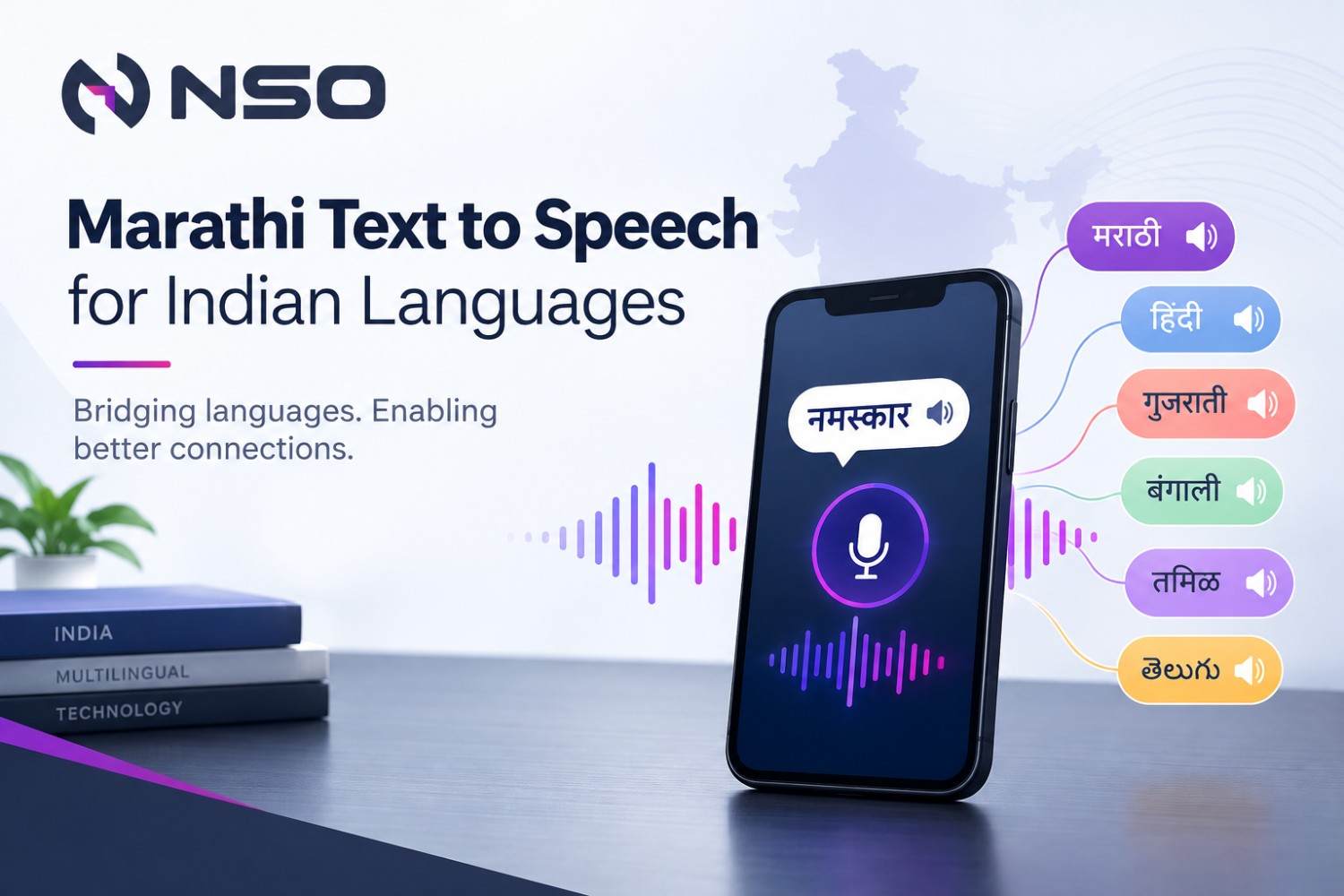

What if your software could speak to customers in the language they use every day? For businesses operating across Maharashtra and other Indian markets, language accessibility is no longer simply a user-experience enhancement, it can directly influence adoption, engagement, and customer satisfaction. Marathi Text to speech technology enables applications, websites, customer-service platforms, and digital services to convert written Marathi content into natural-sounding speech. When combined with other Indian languages and enterprise systems, it creates opportunities for businesses to deliver more inclusive and accessible digital experiences.
For organizations looking to expand multilingual communication, text to speech in marathi can support voice-enabled customer service, education platforms, financial applications, healthcare systems, e-commerce, agriculture technology, and government solutions. The real business value comes from integrating this capability into existing digital products rather than treating text-to-speech as an isolated feature.
What Is Marathi Text to Speech?
Marathi text-to-speech technology converts written Marathi text into spoken audio using speech synthesis models and APIs. Instead of requiring users to read information on a screen, businesses can provide the same information through voice.
For example, a fintech application could convert transaction notifications into Marathi audio, while an agricultural platform could read weather updates, crop recommendations, or advisory information aloud to farmers.
Modern speech technologies can also support multiple Indian languages, making it possible for businesses to build a single multilingual communication layer for diverse audiences.
A typical implementation may include:
- Marathi text processing
- Language and character recognition
- Speech synthesis
- Voice selection and configuration
- Audio generation
- API-based application integration
- Cloud or on-premise deployment
- Analytics and usage monitoring
Why Businesses Need Multilingual Voice Technology
India's digital audience is linguistically diverse. A customer may be comfortable using English for professional communication but prefer Marathi, Hindi, Tamil, Bengali, or another regional language when receiving important information.
This creates a significant opportunity for B2B organizations.
Voice-enabled applications can help businesses:
- Reach users with limited reading proficiency
- Improve accessibility for visually impaired users
- Deliver information faster
- Increase engagement with mobile applications
- Support regional customer-service operations
- Create multilingual digital experiences
- Reduce dependency on manual voice communication
- Improve customer convenience
For enterprises, multilingual voice technology can become part of a broader digital transformation strategy rather than a standalone communication feature.
Key Use Cases of Marathi Text to Speech
Marathi Text to Speech enables businesses and applications to deliver natural, accessible, and engaging voice-based experiences for Marathi-speaking users across diverse use cases.
1. Customer Support and Virtual Assistants
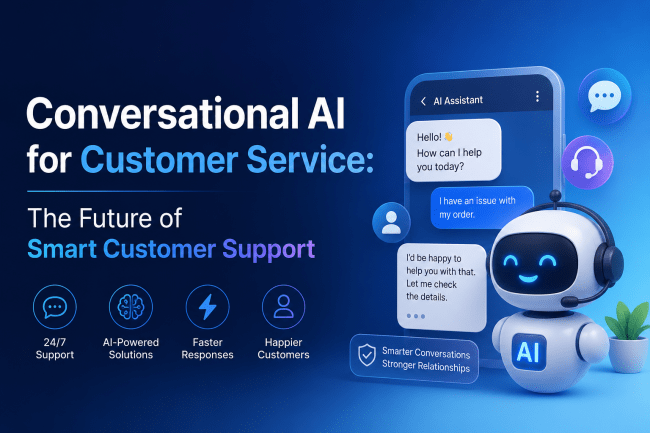
Businesses can use synthesized Marathi voices within AI-powered customer-service applications. A virtual assistant can provide order updates, account information, service instructions, or frequently requested information in Marathi.
This is particularly useful for organizations serving customers across Maharashtra.
2. Fintech and Banking Applications
Financial institutions handle sensitive and time-critical information. Customers may benefit from hearing transaction alerts, payment confirmations, account notifications, and financial instructions in their preferred language.
For example:
English notification: "Your payment of ₹5,000 has been successfully processed."
Marathi voice experience: The same notification can be delivered as spoken Marathi through a mobile application.
This approach can make digital financial services easier to understand while creating a more accessible customer experience.
3. Healthcare Platforms
Healthcare applications can use speech synthesis to deliver appointment reminders, medication instructions, health information, and service notifications.
A hospital platform could generate Marathi audio for appointment schedules, while a patient application could read important instructions without requiring users to navigate lengthy text.
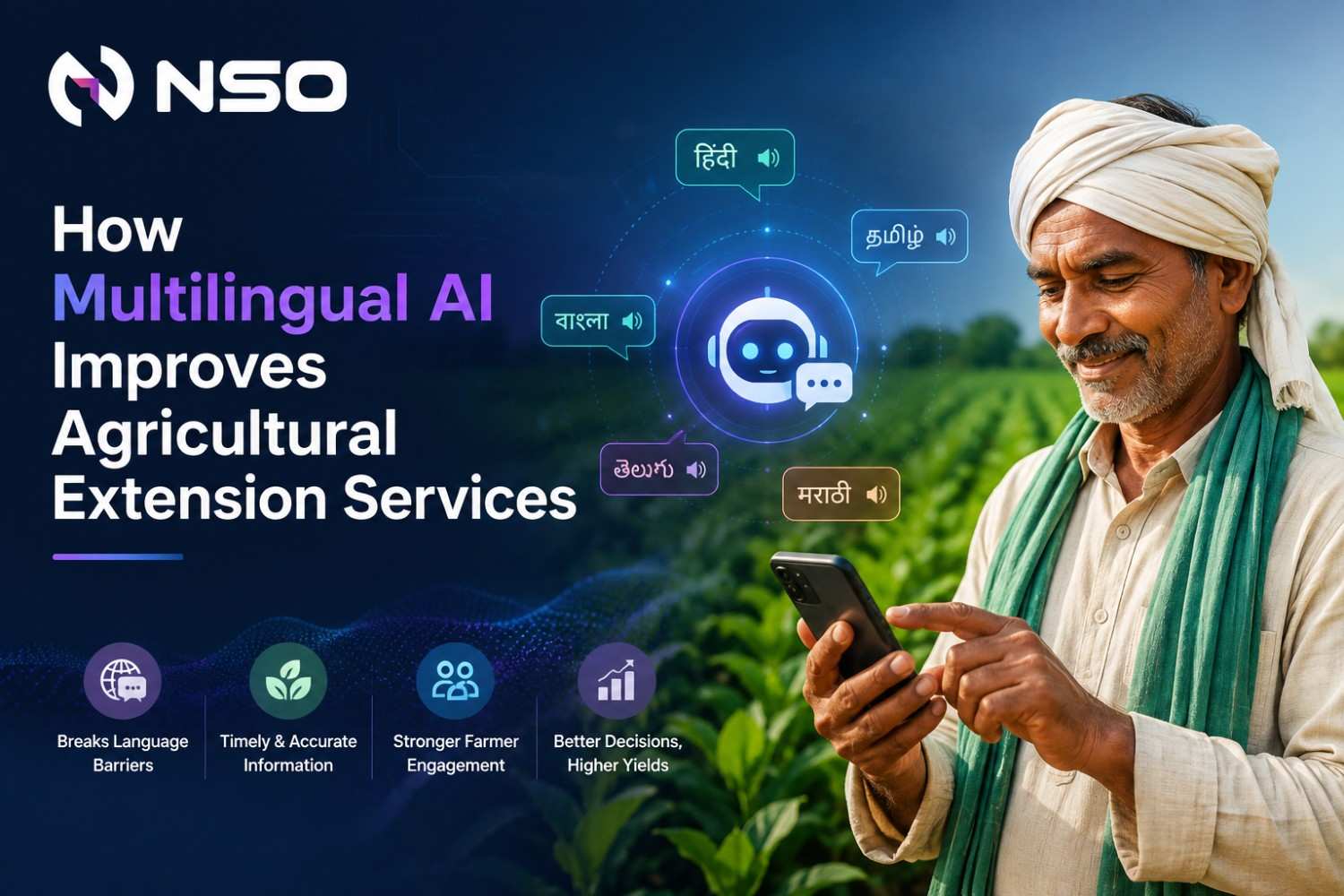
4. Agriculture and AgriTech
Agriculture is one of the strongest use cases for regional-language technology.
An AgriTech application could convert agricultural recommendations into Marathi speech, helping farmers receive:
- Weather alerts
- Crop advisory
- Pest-control recommendations
- Market-price updates
- Irrigation guidance
- Government scheme information
Combining multilingual voice technology with AI can make agricultural information more accessible to users in rural and semi-urban markets.
5. E-Commerce
E-commerce businesses can use voice technology for order confirmations, delivery updates, product information, and customer notifications.
For example, instead of sending only a written message saying "Your order has been shipped," an application can provide the information as a Marathi voice notification.
6. Education and E-Learning
Educational platforms can convert lessons, instructions, study materials, and announcements into speech.
This can support learners who prefer regional languages and can also improve accessibility for students who benefit from auditory learning.
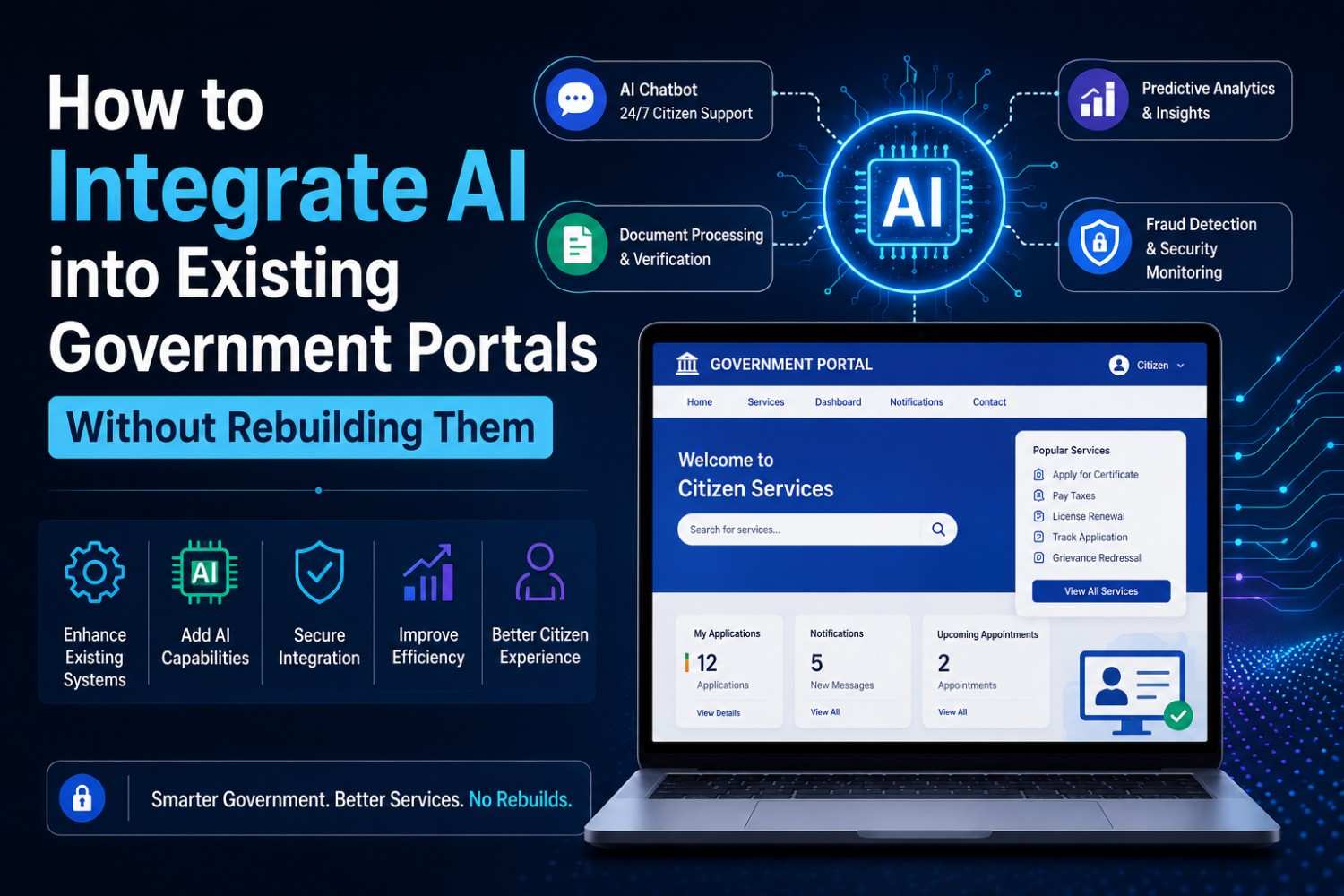
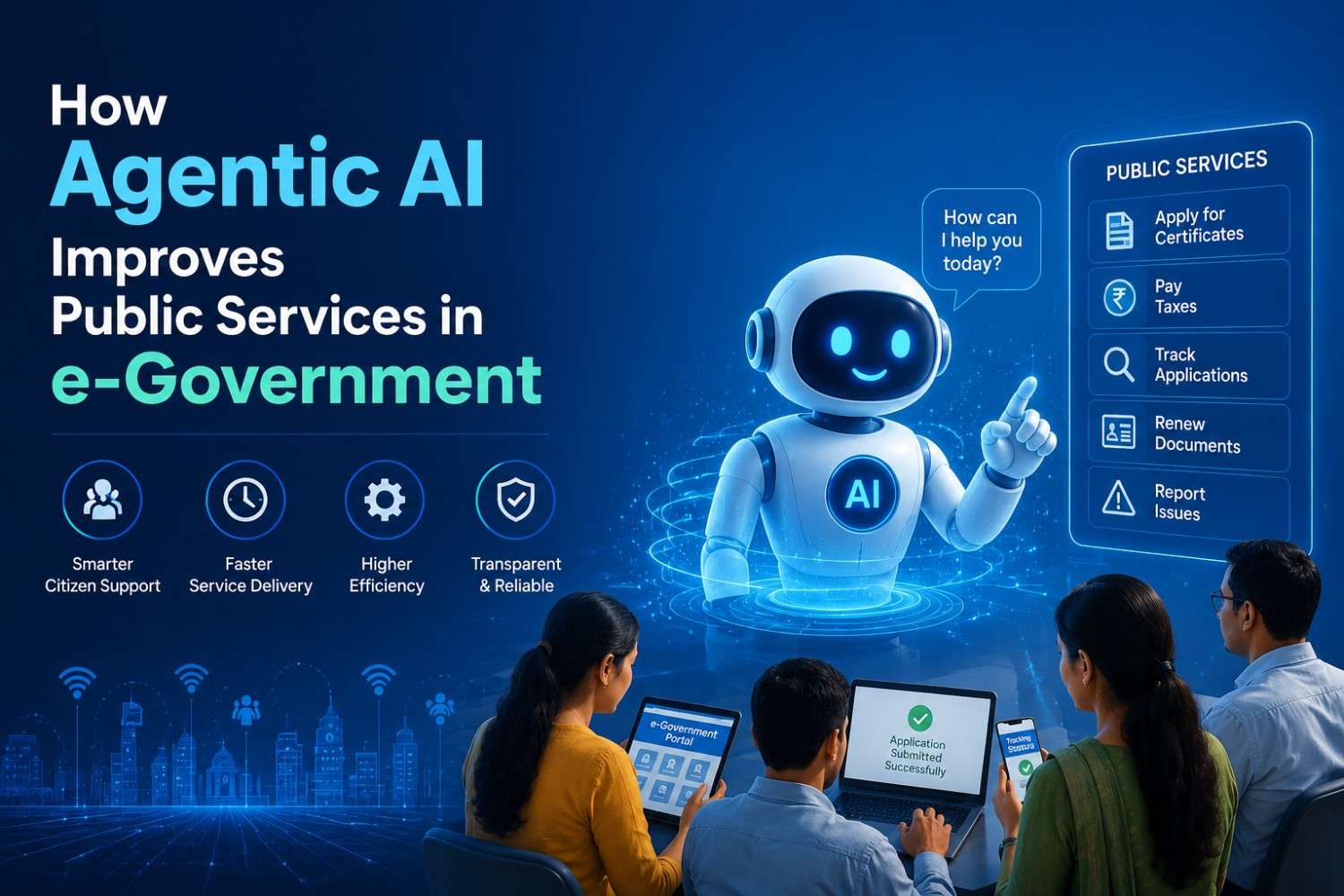
7. Government and Citizen Services
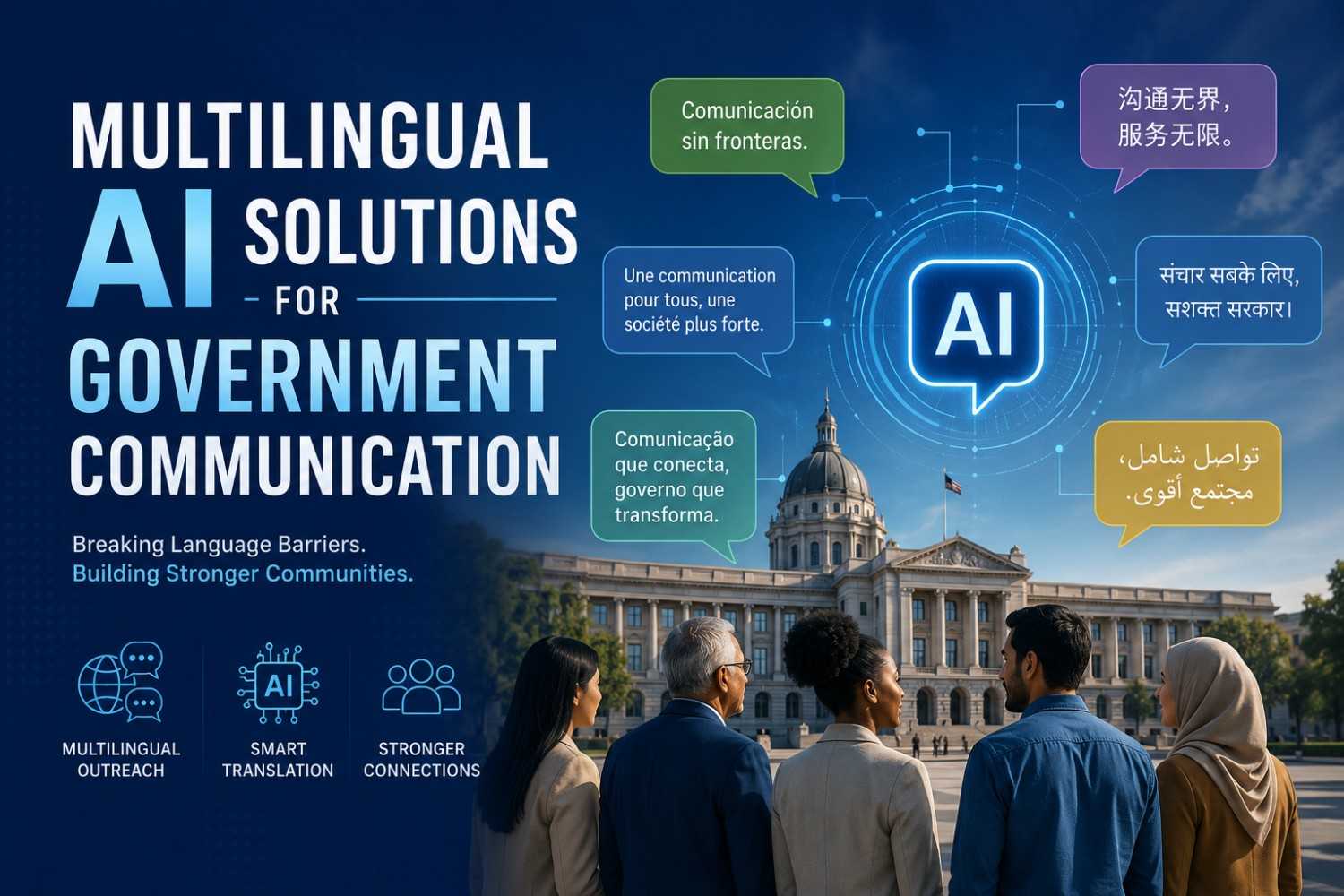
Government portals increasingly need to communicate with citizens across different linguistic communities. Marathi speech technology can support citizen notifications, scheme information, application-status updates, and digital assistance.
A multilingual voice layer can help government platforms deliver information without requiring users to rely exclusively on English interfaces.
Benefits of Marathi Text-to-Speech for Businesses
Marathi Text-to-Speech helps businesses improve accessibility, engagement, communication, and customer experiences across digital platforms.
Better Regional Market Reach
Businesses can make digital products more relevant to regional audiences by supporting the languages customers naturally use.
Improved Accessibility
Voice interfaces can help users who have difficulty reading long content or navigating conventional text-heavy interfaces.
Faster Information Delivery
Users can listen to information while performing other activities, making voice-based communication particularly useful for alerts and notifications.
Scalable Customer Communication
Once integrated into an application, automated speech generation can deliver thousands of notifications without requiring human agents to record every message.
Consistent Brand Communication
Businesses can establish standardized voice experiences across mobile applications, websites, customer portals, and digital services.
Multilingual Expansion
The same architecture can potentially support Marathi alongside Hindi, Gujarati, Bengali, Tamil, Telugu, Kannada, and other Indian languages.
How Marathi Text to Speech API Integration Works
An enterprise implementation generally connects a text-to-speech API with the application's existing content and communication workflow.
The process may look like this:
User/Application → Text Content → Language Processing → TTS API → Audio Output → User
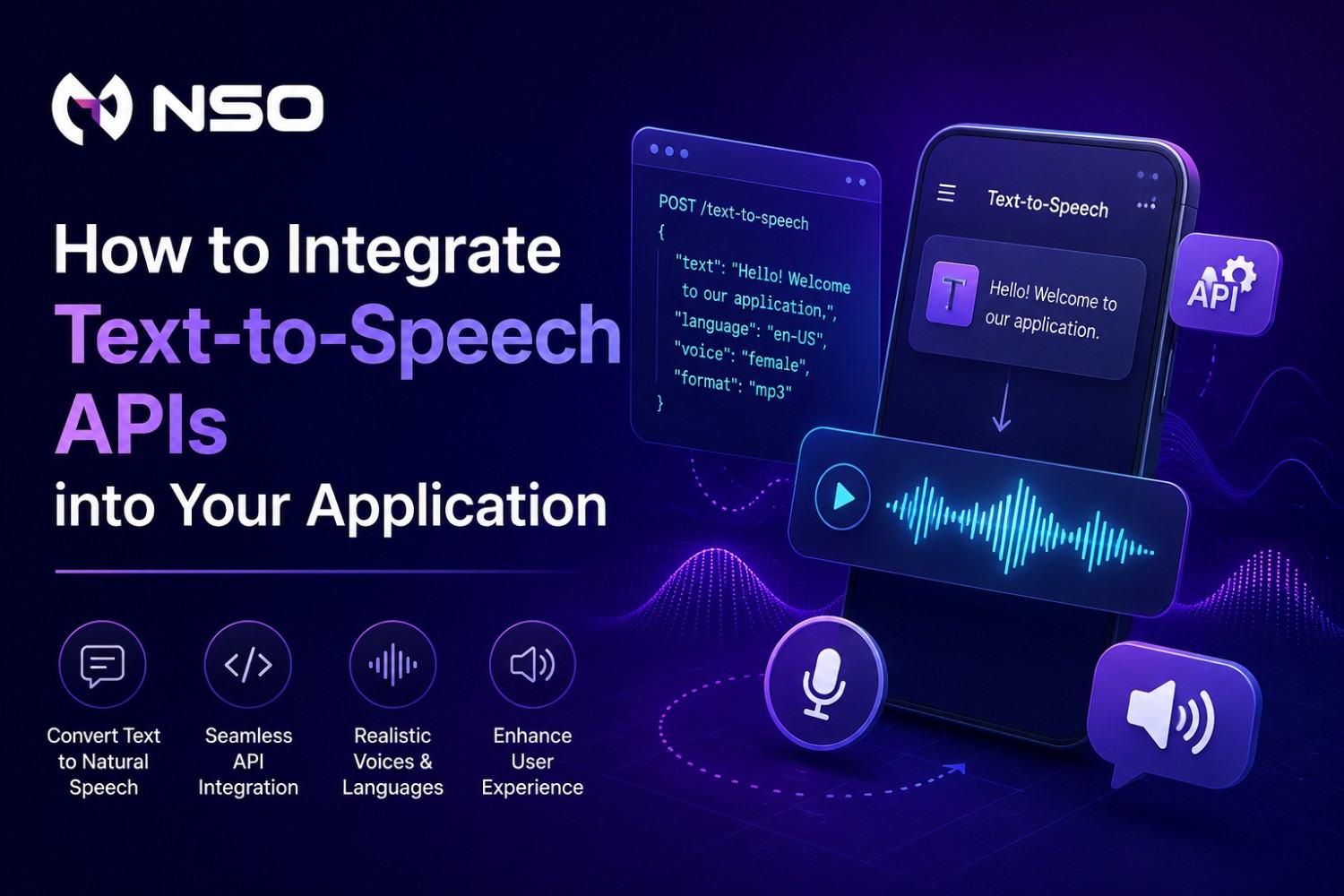
A Marathi text to speech api can be integrated into mobile apps, web platforms, CRM systems, customer-service applications, kiosks, or enterprise communication platforms.
For businesses evaluating API integration services in Mumbai, the important consideration is not simply selecting a speech API. The implementation should account for application architecture, authentication, latency, scalability, security, error handling, audio formats, and monitoring.
Integrating Voice Technology Into Existing Applications
Businesses do not necessarily need to rebuild their applications to introduce multilingual voice capabilities.
With the right architecture, development teams can Integrate API into applications and websites while retaining existing workflows.
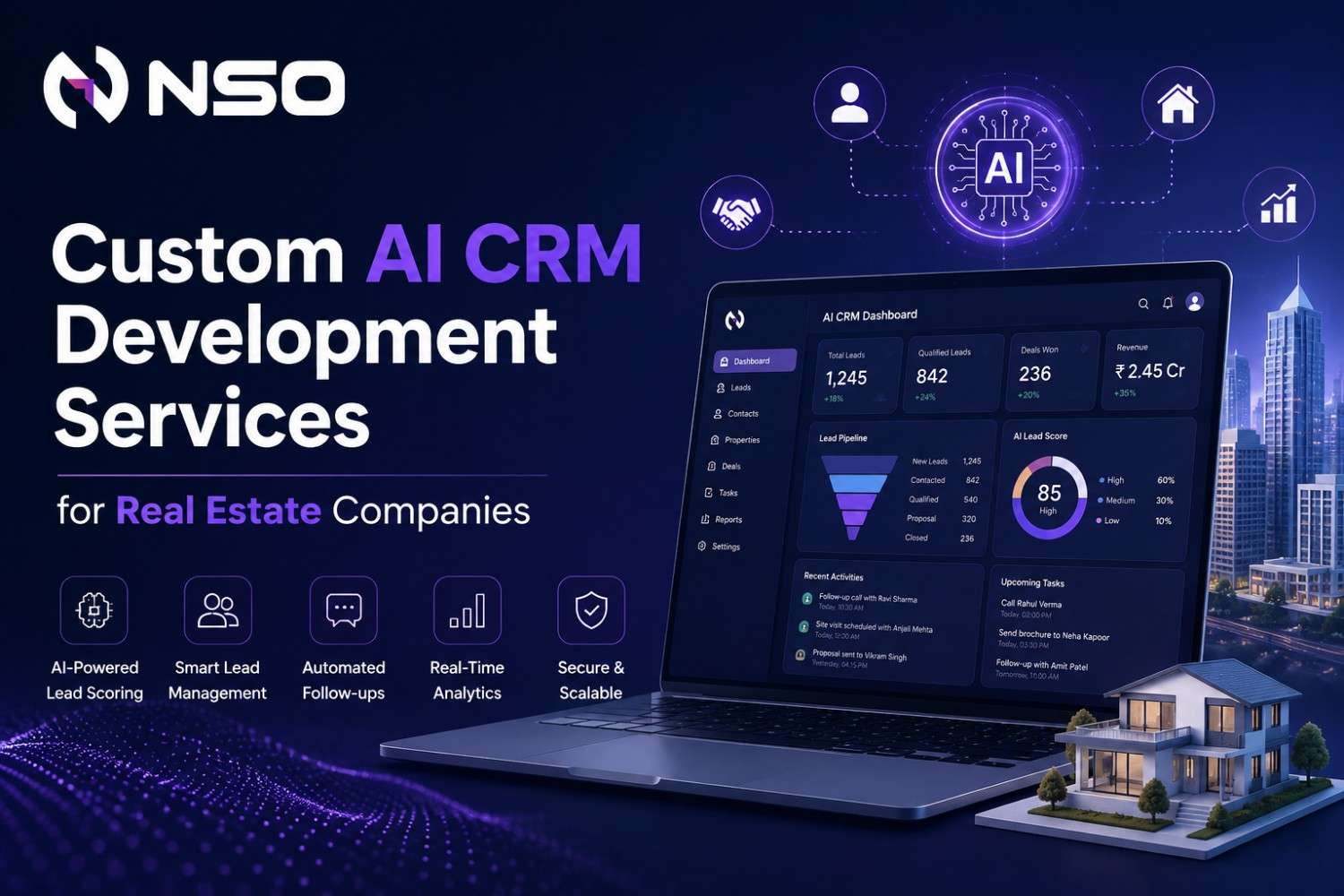
For example, a CRM system could trigger a Marathi voice notification whenever a customer account receives an important update. Similarly, an e-commerce platform could connect its order-management system with a speech API to automatically generate regional-language delivery notifications.
Professional Text to speech API integration services in Mumbai can help businesses connect speech capabilities with their existing technology stack while keeping the implementation scalable.
Marathi TTS + Speech Recognition: Building Two-Way Voice Experiences
Text-to-speech becomes even more powerful when combined with speech recognition.
Instead of simply allowing an application to speak to users, businesses can create two-way voice interactions:
User speaks → Speech recognition → AI/NLP → Business system → Response generation → Marathi TTS → User hears response
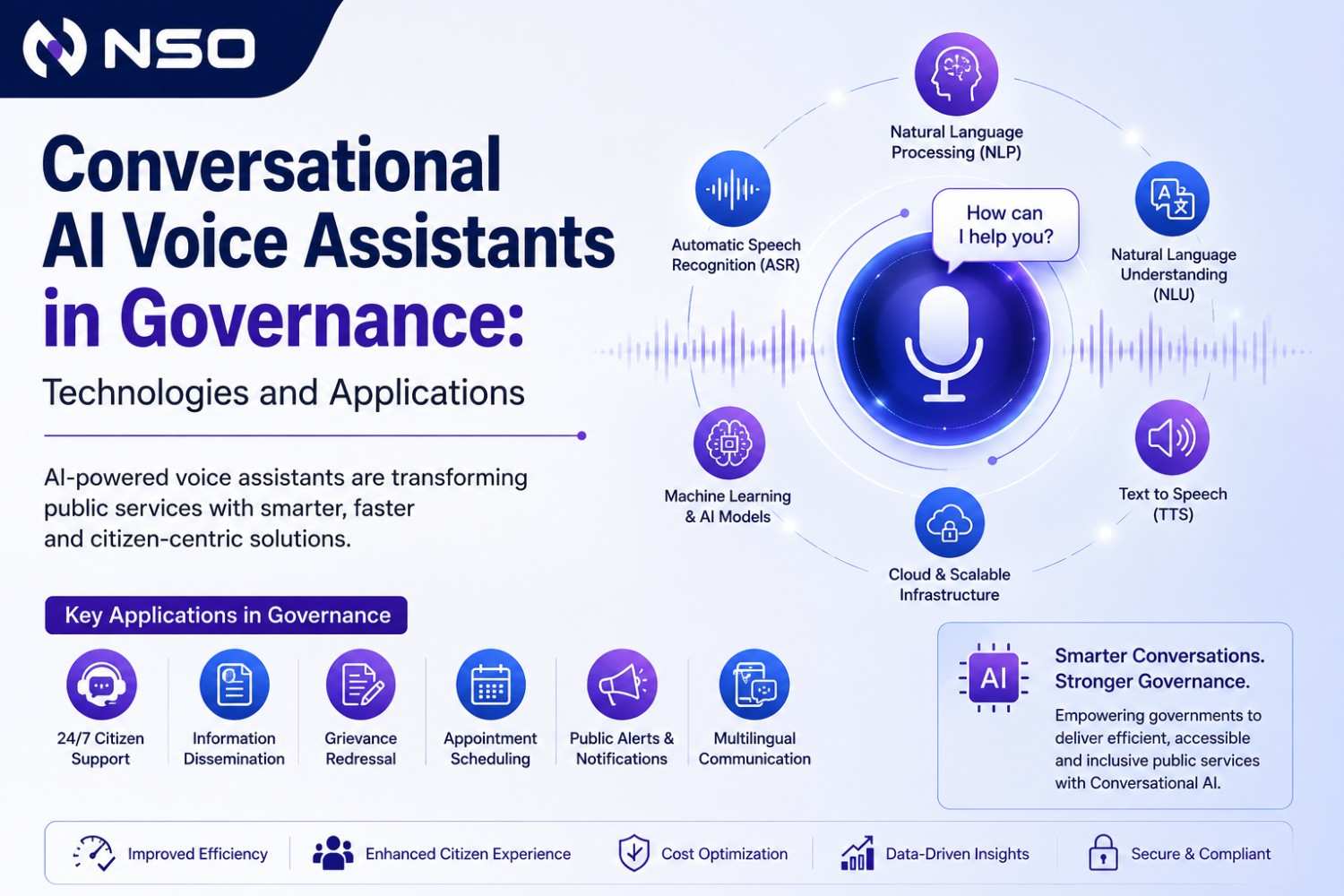
This architecture can power multilingual AI assistants, customer-service agents, voice-enabled applications, and conversational interfaces.
Organizations exploring Speech to text API integration services in Mumbai can combine speech recognition with TTS to create complete voice-based customer journeys.
What Businesses Should Consider Before Implementation
Before selecting a technology partner, enterprises should evaluate:
- Language quality – Does the solution produce natural Marathi pronunciation?
- Indian language coverage – Can additional regional languages be added later?
- API reliability – Can the service support production workloads?
- Scalability – Can it handle increasing requests?
- Security – How is business and customer data processed?
- Integration capability – Can it work with existing applications and APIs?
- Customization – Can voice, speed, and output formats be configured?
- Cost efficiency – Does the architecture remain commercially viable at scale?
A technically impressive voice solution still needs to deliver measurable business value.
Frequently Asked Questions
1. What is Marathi Text to Speech used for?
Marathi text-to-speech can be used for customer notifications, virtual assistants, education, healthcare, fintech, agriculture, e-commerce, government services, accessibility solutions, and multilingual applications.
2. Can Marathi text-to-speech be integrated into mobile applications?
Yes. A speech API can be connected with Android, iOS, cross-platform applications, or web applications to generate Marathi audio dynamically from text.
3. Can businesses support multiple Indian languages through one solution?
Yes. Depending on the selected speech technology and architecture, businesses can build multilingual solutions supporting Marathi and other Indian languages within the same application ecosystem.
4. What is the difference between text-to-speech and speech-to-text?
Text-to-speech converts written content into spoken audio, whereas speech-to-text converts spoken language into written text. Combining both technologies enables two-way voice interactions.
5. Why should businesses use API integration instead of building everything from scratch?
API integration can reduce development complexity and accelerate implementation by connecting proven speech capabilities with existing business applications, workflows, and platforms.
Conclusion
Marathi Text-to-Speech helps businesses deliver accessible, localized, and engaging digital communication across sectors such as fintech, healthcare, agriculture, education, e-commerce, and government.
NSO helps businesses integrate Marathi and multilingual voice solutions into websites, applications, workflows, and customer platforms from API integration and development to testing, deployment, and scalability.
Looking to add Marathi voice capabilities to your software? Contact us to explore a scalable text-to-speech solution.
.png)
.png)
.png)
.png)
.png)
_(1).png)
.png)