

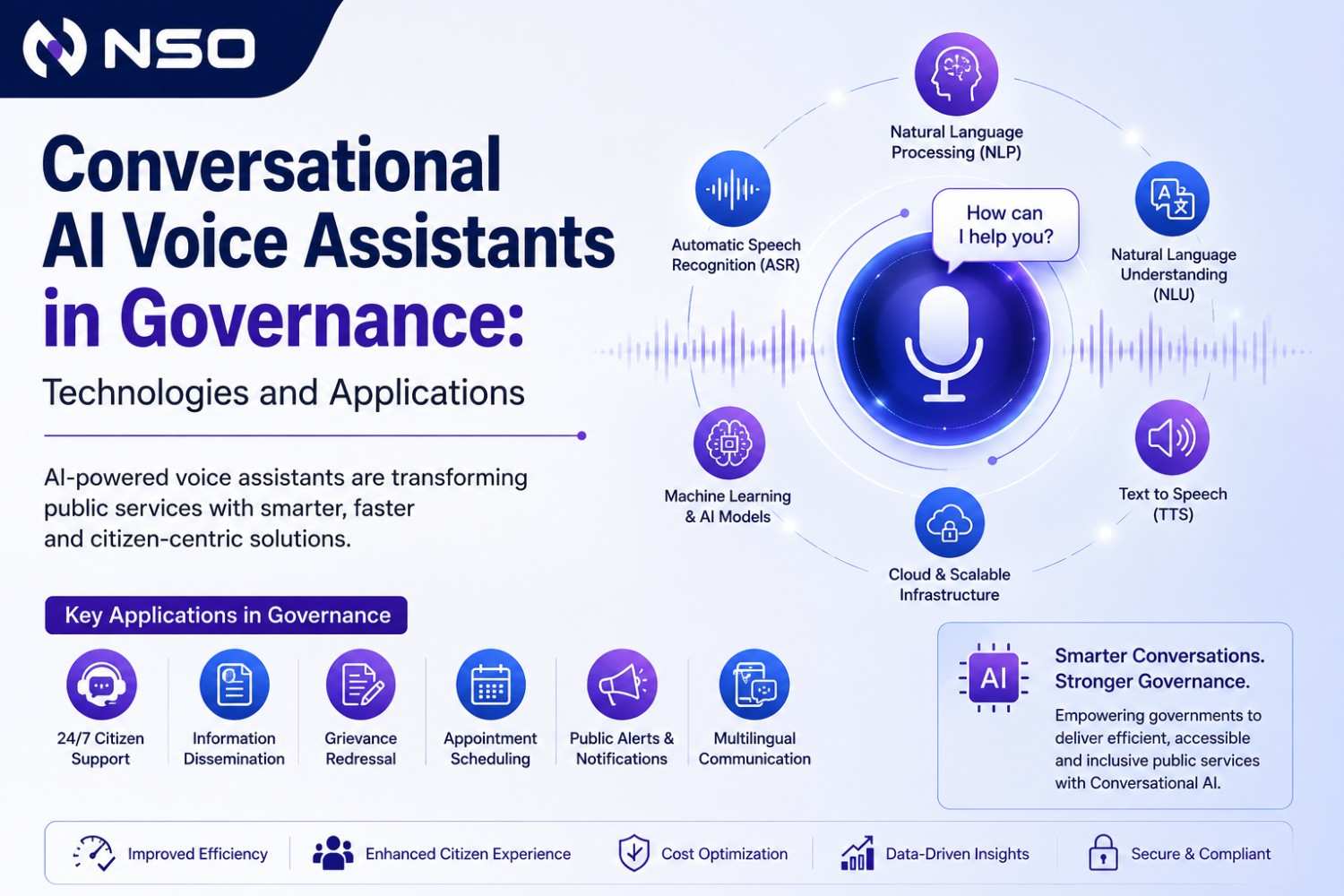

Millions of citizens interact with government departments every day for services such as certificates, applications, welfare schemes, healthcare support, and complaints. However, complex portals, language barriers, and long waiting times often create challenges.
AI-powered voice assistants are changing this experience by enabling citizens to access government services through simple voice conversations in their preferred language.
In this blog, we will explore what AI voice assistants are, the technologies behind them, and how they are being used in governance.
What Are AI Voice Assistants?
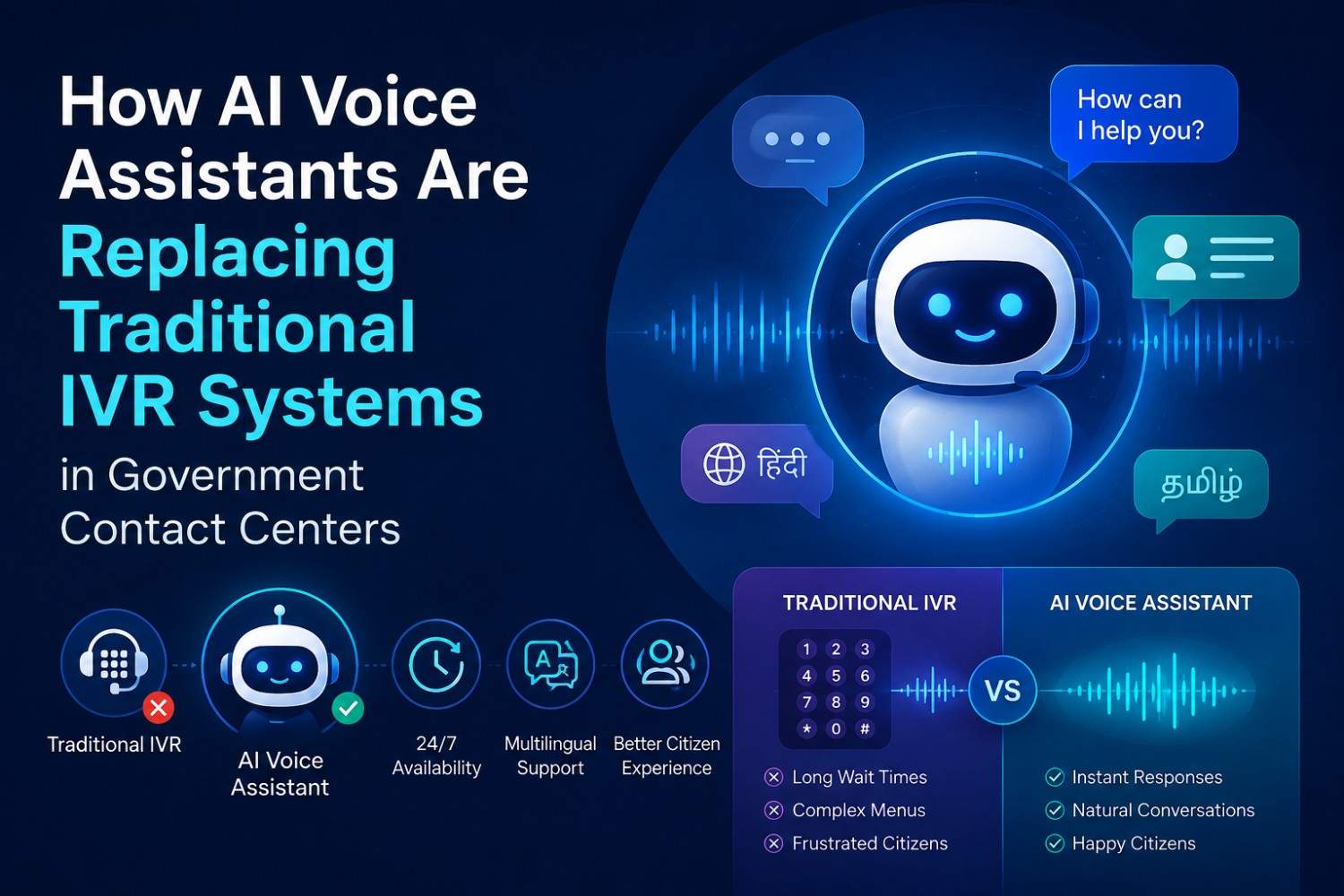
AI voice assistants are software applications powered by artificial intelligence that understand spoken language, process user requests, and provide spoken or written responses.
Unlike traditional automated phone systems that follow fixed scripts, modern AI voice assistants use advanced technologies such as Natural Language Processing (NLP), speech recognition, machine learning, and conversational AI to understand user intent and provide relevant answers.
Citizens can interact with these assistants through smartphones, websites, government kiosks, smart speakers, or telephone helplines.
Why Governments Need AI Voice Assistants
Governments manage millions of citizen interactions every day, from welfare inquiries and tax assistance to passport applications and grievance reporting. Traditional call centers often struggle with high call volumes, long wait times, and limited operating hours.
AI voice assistants address these challenges by handling routine queries instantly, guiding citizens through government procedures, and supporting multiple regional languages.
This enables government departments to reduce operational costs, improve response accuracy, and provide uninterrupted public services without increasing manpower.
Core Technologies Behind AI Voice Assistants
Several AI technologies work together to make voice assistants accurate, natural, and efficient.
1. Speech-to-Text (STT)
Speech-to-Text (STT) Technology, also known as Automatic Speech Recognition (ASR), converts spoken words into text.
When a citizen speaks into a government chatbot or helpline, the STT system listens to the audio and transforms it into text that AI systems can understand.
Government applications include:
- Voice-based complaint registration
- Helpline automation
- Voice-enabled application forms
- Citizen service requests
- Interactive government kiosks
For example, instead of typing a complaint, a citizen can simply speak, and the system automatically records the request.
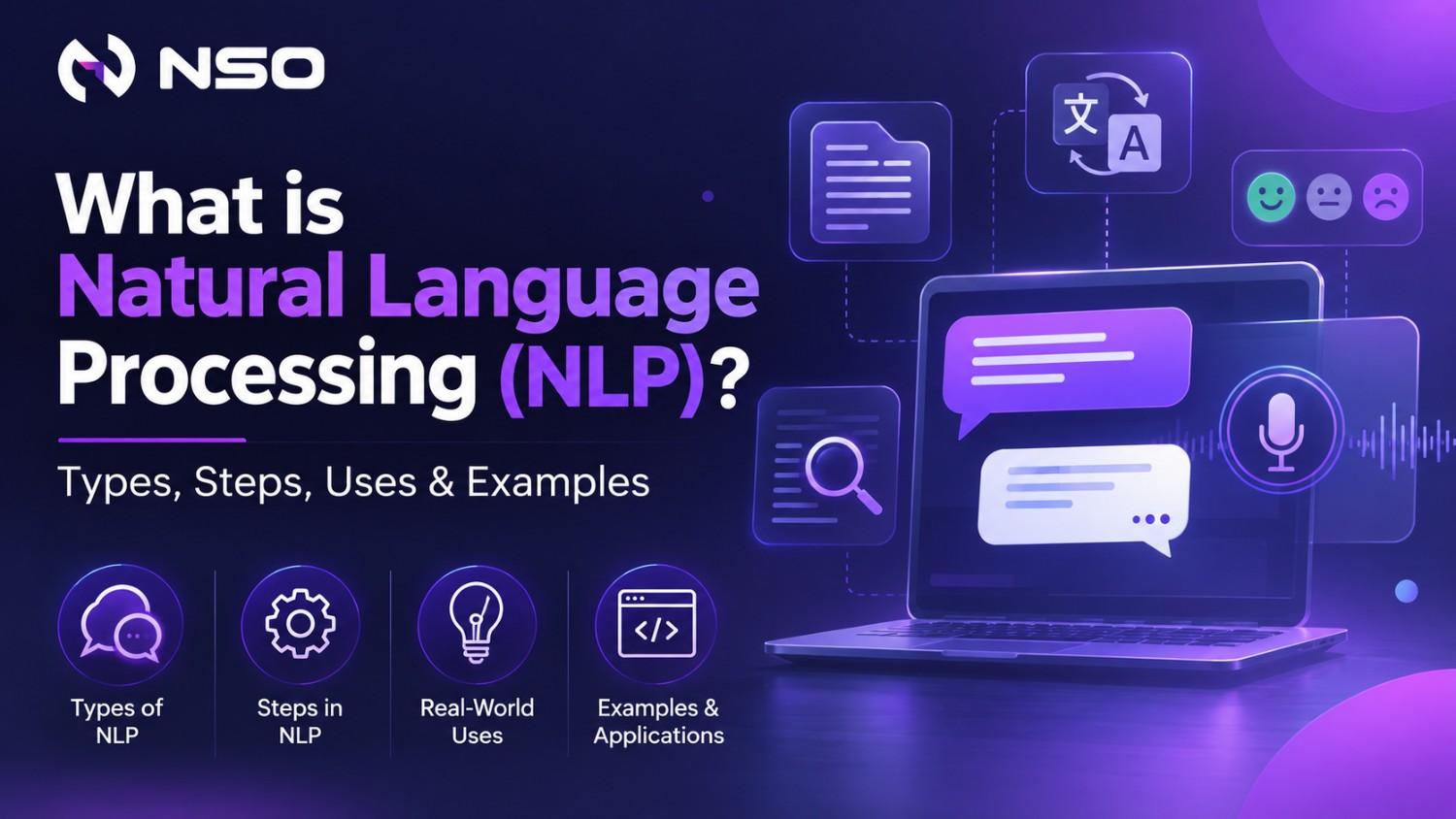
2. Natural Language Processing (NLP)
Once speech is converted into text, Natural Language Processing helps the AI understand the meaning behind the user's request.
NLP enables the assistant to:
- Identify user intent
- Understand questions asked in different ways
- Recognize government-related terminology
- Interpret incomplete or conversational sentences
- Handle multilingual conversations
For example, the following questions all mean the same thing:
- How do I apply for a passport?
- I need a passport.
- Passport application process.
- Help me get a passport.
NLP understands that all these requests relate to passport services.
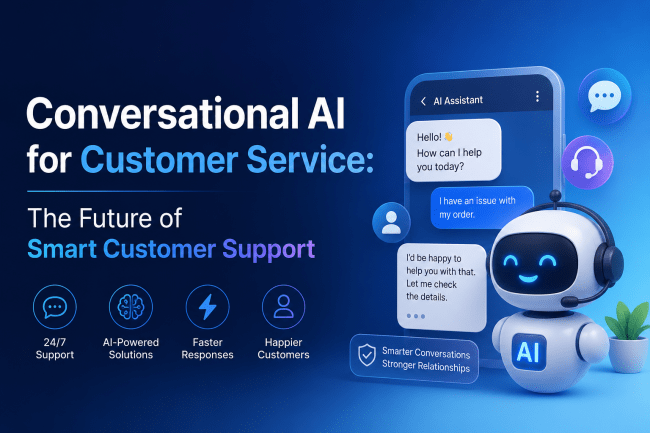
3. Conversational AI
Conversational AI enables the assistant to hold natural, human-like conversations instead of providing robotic responses.
Unlike rule-based chatbots, conversational AI can:
- Ask follow-up questions
- Remember the conversation context
- Guide citizens through multiple steps
- Answer frequently asked questions
- Handle complex service requests
For example:
Citizen:
"I lost my driving licence."
Assistant:
"I can help you apply for a duplicate licence. May I know your state?"
The conversation continues naturally until the service is completed.
4. Text-to-Speech (TTS)
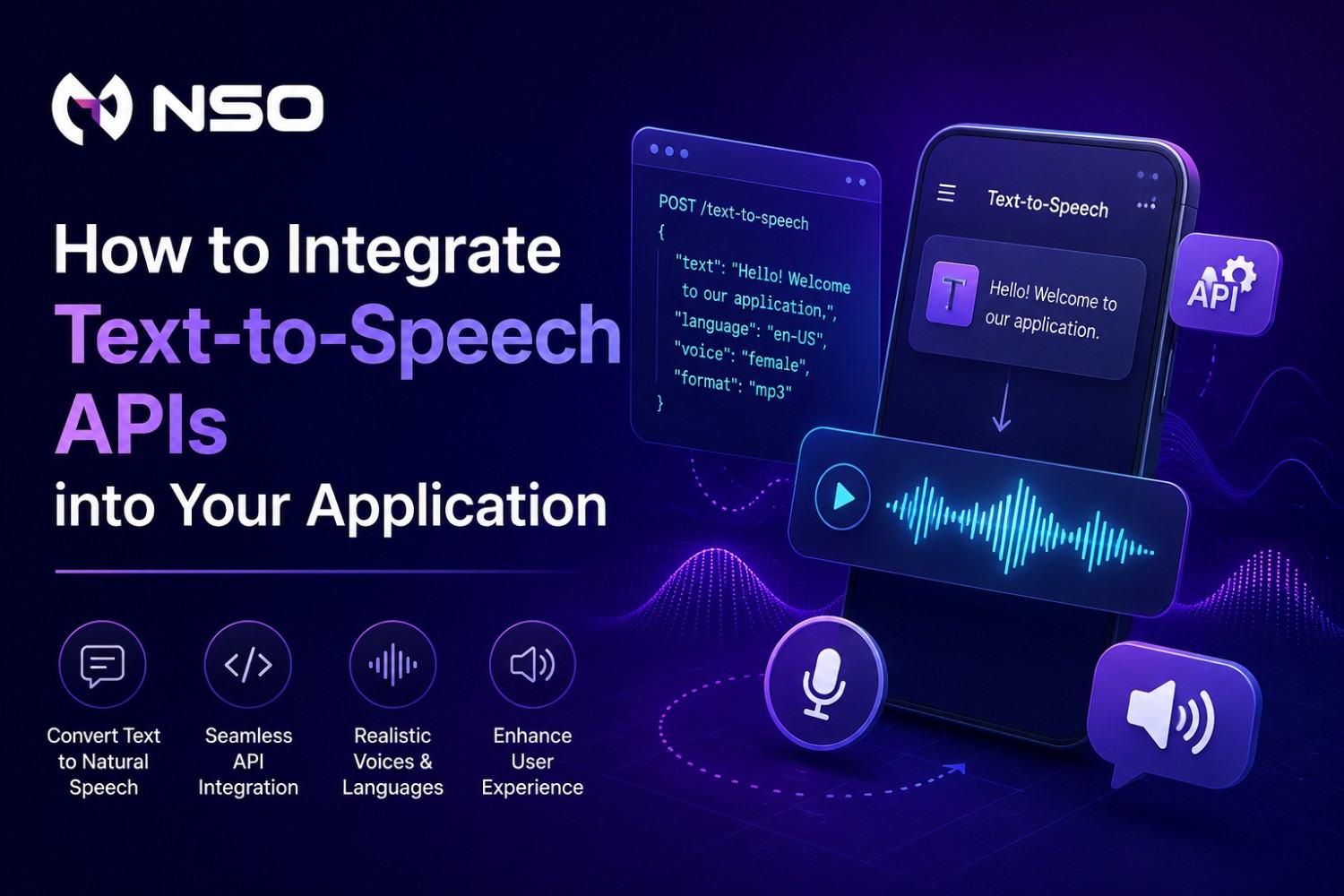
Text-to-Speech (TTS) Technology converts AI-generated text responses into natural spoken language.
Instead of displaying only written answers, government assistants can speak directly to citizens.
Benefits include:
- Improved accessibility for visually impaired users
- Better support for elderly citizens
- Hands-free interaction
- Faster communication
- Multilingual voice support
5. Speech-to-Speech Technology
Speech-to-Speech (STT) Technology combines speech recognition, language understanding, response generation, and speech synthesis into one seamless conversation.
The citizen speaks naturally.
The AI understands the request.
The AI generates an appropriate response.
The response is spoken back to the citizen.
This creates a smooth voice conversation without requiring users to read or type.
Speech-to-speech technology is especially useful for:
- Government helplines
- Emergency services
- Citizen support centers
- Public information hotlines
- Rural digital services
6. Machine Learning
Machine learning enables AI voice assistants to improve over time by learning from previous interactions.
The system continuously becomes better at:
- Understanding regional accents
- Recognizing local dialects
- Improving response accuracy
- Identifying common citizen questions
- Reducing incorrect responses
As more citizens interact with the system, the assistant becomes smarter and more reliable.
7. Large Language Models (LLMs)
Modern AI voice assistants increasingly use Large Language Models to provide more intelligent and context-aware conversations.
LLMs help voice assistants:
- Answer complex government questions
- Summarize policy documents
- Explain government schemes in simple language
- Generate personalized responses
- Maintain longer conversations
This allows citizens to receive more detailed and natural assistance without needing human intervention for routine queries.
Examples of AI Voice Technologies in Indian Languages
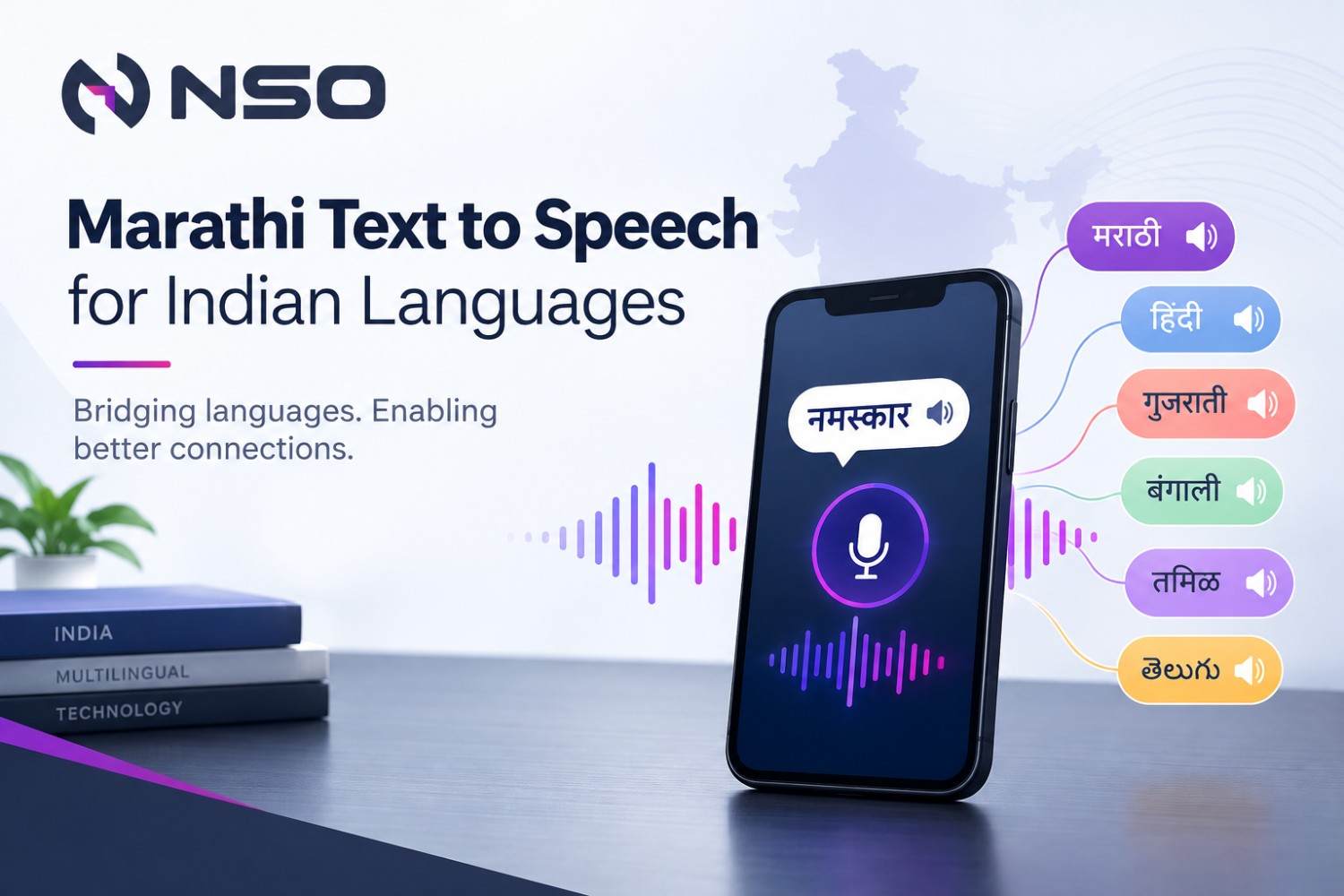
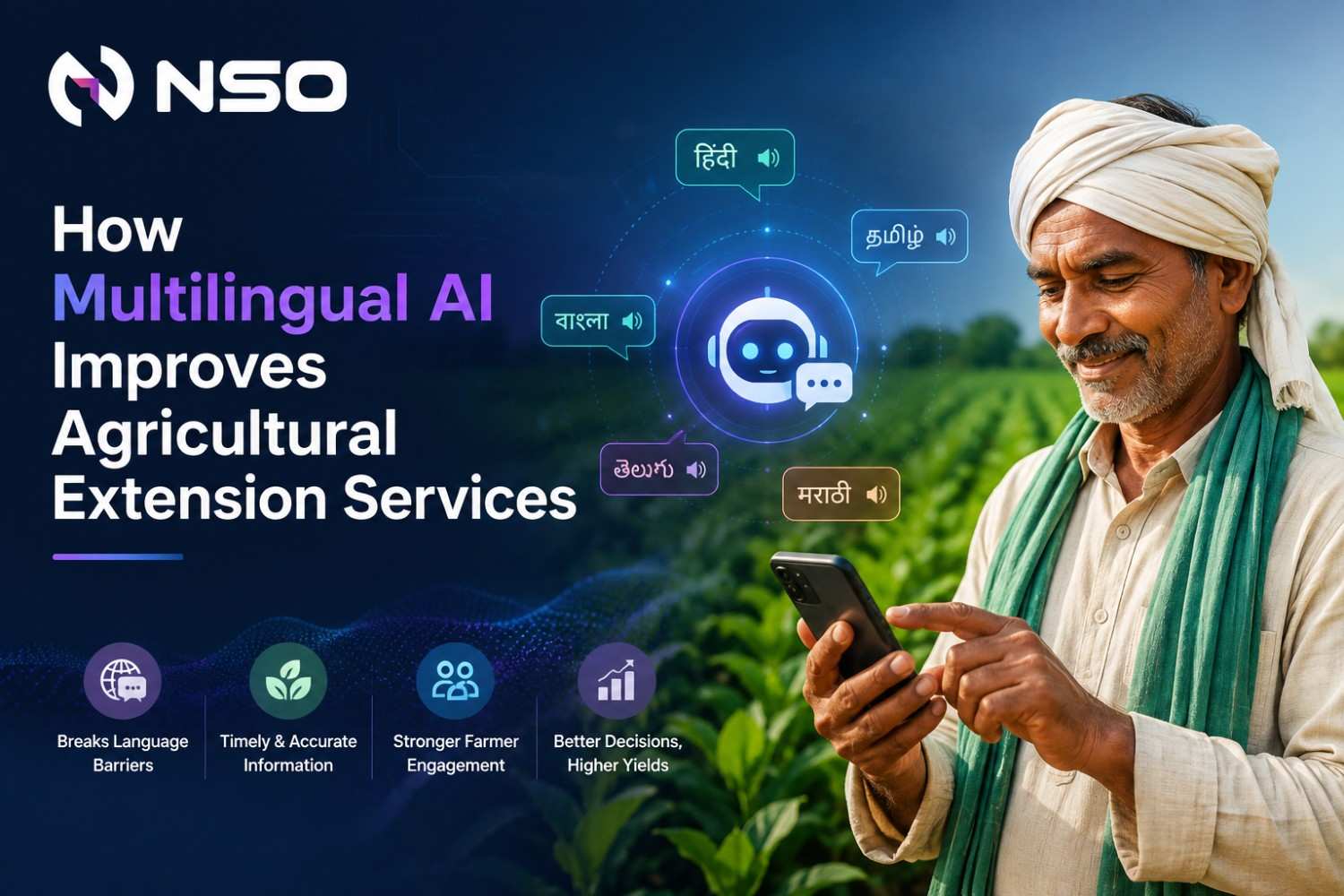
AI voice assistants can support multiple Indian languages, making government services more inclusive and accessible to citizens across different regions.
1. Marathi Text-to-Speech (TTS)
Government Use Case: Land Record Status Notification
A citizen checks the status of their land record application on the state government portal. Instead of displaying only text, the portal reads the update aloud in Marathi.
Text:
"तुमच्या ७/१२ उताऱ्याच्या अर्जाची पडताळणी पूर्ण झाली असून तो मंजूर करण्यात आला आहे."
Voice Output:
The AI voice assistant announces the application status in natural Marathi, making it easier for elderly and visually impaired citizens to understand the update.
2. Hindi Text-to-Speech (TTS)
Government Use Case: PM Kisan Scheme Payment Update
A farmer logs into a government agriculture portal to check the status of a subsidy payment.
Text:
"प्रधानमंत्री किसान सम्मान निधि योजना की आपकी अगली किस्त आपके बैंक खाते में जमा कर दी गई है।"
Voice Output:
The AI assistant reads the payment confirmation in Hindi, ensuring farmers receive important updates even if they have limited literacy.
3. Malayalam Text-to-Speech (TTS)
Government Use Case: Health Department Vaccination Reminder
A state health department sends vaccination reminders through its citizen mobile application.
Text:
"നിങ്ങളുടെ കോവിഡ് വാക്സിൻ ബൂസ്റ്റർ ഡോസ് നാളെ രാവിലെ 10 മണിക്ക് നിശ്ചയിച്ചിരിക്കുന്നു."
Voice Output:
The AI assistant delivers the reminder in clear Malayalam, helping citizens remember their vaccination appointments.
4. Hindi Speech-to-Text (STT)
Government Use Case: Public Distribution System (Ration Card) Inquiry
A citizen uses a government helpline instead of typing on a website.
Citizen Says:
"मुझे अपने राशन कार्ड की वर्तमान स्थिति जाननी है।"
Speech-to-Text Output:
"मुझे अपने राशन कार्ड की वर्तमान स्थिति जाननी है।"
The AI converts the spoken request into text, verifies the citizen's details, and provides the latest ration card status automatically.
5. Marathi Speech-to-Text (STT)
Government Use Case: Municipal Complaint Registration
A resident reports a civic issue through a municipal mobile application using voice.
Citizen Says:
"माझ्या परिसरातील रस्त्यावर मोठा खड्डा पडला आहे. कृपया तक्रार नोंदवा."
Speech-to-Text Output:
"माझ्या परिसरातील रस्त्यावर मोठा खड्डा पडला आहे. कृपया तक्रार नोंदवा."
The AI accurately converts the complaint into text, registers it with the municipal department, generates a complaint ID, and sends the citizen a confirmation message.
Applications of Conversation AI in Governance
AI voice assistants support various government functions across departments.
Citizen Service Delivery
Citizens can receive instant answers about:
- Government schemes
- Tax information
- Licences
- Certificates
- Welfare benefits
- Public service eligibility
This reduces waiting times and improves citizen satisfaction.
Government Helplines
AI voice assistants can handle thousands of calls simultaneously, answering routine questions while forwarding complex cases to human agents.
Benefits include:
- Reduced call center workload
- Faster response times
- 24/7 service availability
- Lower operational costs
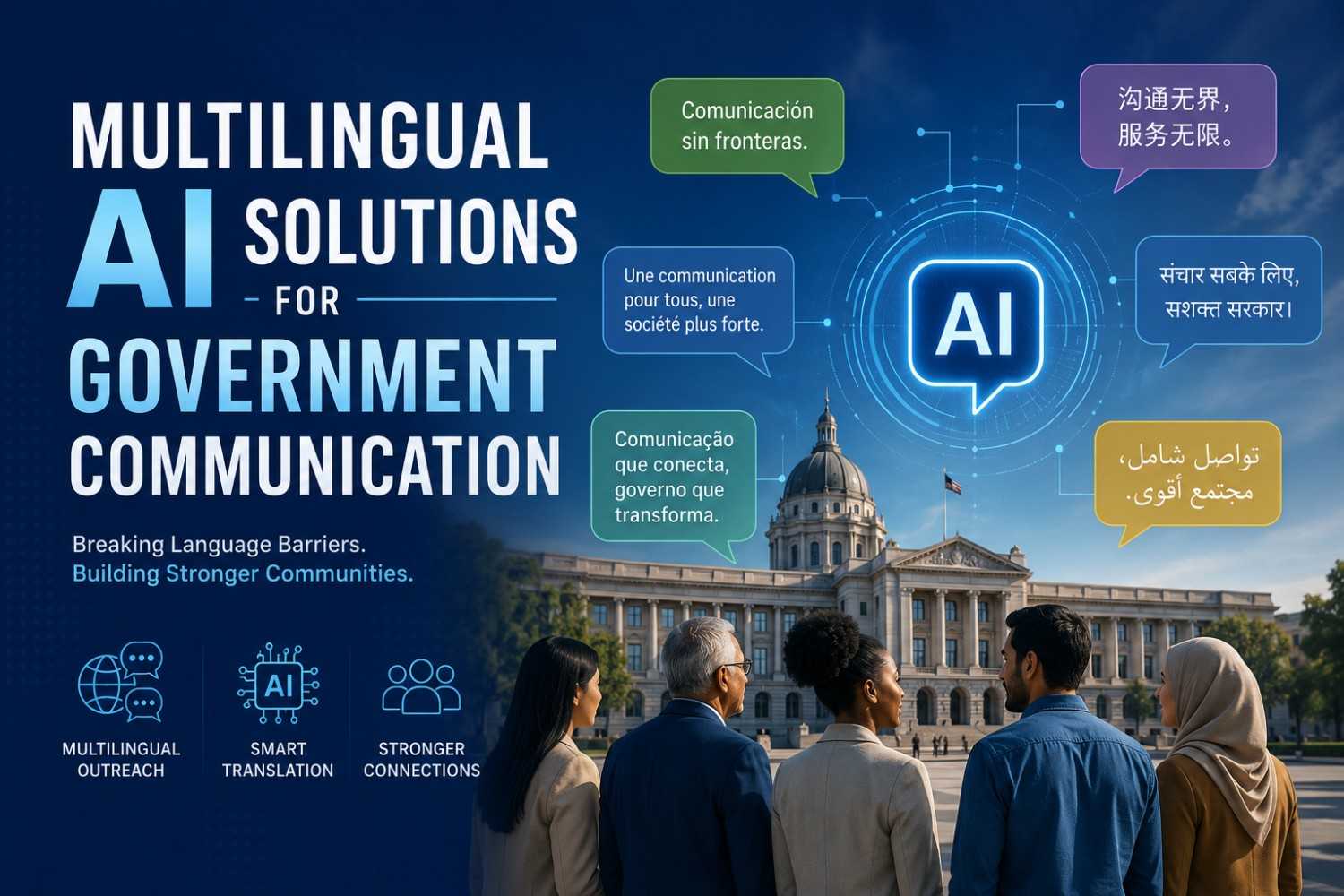
Multilingual Government Communication
Many countries have diverse populations speaking multiple languages.
AI voice assistants can communicate in several regional languages, making government services accessible to a wider audience.
Citizens receive information in their preferred language without requiring separate support teams.
Digital Form Assistance
Completing government forms can often be confusing.
Voice assistants guide users step-by-step through:
- Online registrations
- Licence applications
- Benefit claims
- Identity verification
- Tax submissions
This reduces errors and improves completion rates.
Emergency Information Services
During natural disasters or public emergencies, AI voice assistants can quickly provide:
- Safety instructions
- Shelter locations
- Health advisories
- Emergency contact information
- Disaster updates
Because responses are automated, information can reach thousands of citizens instantly.
Healthcare Support
Government healthcare departments can use voice assistants to:
- Book appointments
- Share vaccination schedules
- Provide health guidelines
- Answer public health questions
- Offer medication reminders
This improves healthcare accessibility while reducing administrative burden.
Smart City Services
Voice assistants can support smart city initiatives by helping citizens:
- Report civic issues
- Check public transport information
- Find nearby government offices
- Access utility services
- Receive municipal announcements
Benefits of AI Voice Assistants in Governance
Governments adopting AI voice assistants gain several advantages:
- 24/7 citizen support
- Faster service delivery
- Reduced operational costs
- Improved accessibility
- Better citizen engagement
- Consistent information delivery
- Support for multiple languages
- Higher productivity for government employees
- Improved digital inclusion
- Scalable public service operations
Conclusion
AI voice assistants are reshaping governance by making public services more accessible, efficient, and citizen-centric. Technologies such as Speech-to-Text, Text-to-Speech, Speech-to-Speech, Conversational AI, and multilingual language processing enable governments to deliver faster responses, automate routine tasks, and improve communication across diverse communities.
As digital transformation continues, adopting AI-powered voice solutions will help government agencies enhance service quality while reducing operational costs and increasing citizen satisfaction.
If your organization is looking to modernize citizen engagement and streamline service delivery with advanced AI technologies, Contact NSO today to discover how our innovative solutions can support your digital transformation journey.
Frequently Asked Questions
1. How do AI voice assistants improve government services?
They provide 24/7 support, reduce response times, improve accessibility, automate routine inquiries, support multiple languages, and lower operational costs.
2. Can AI voice assistants support multiple languages?
Yes. Modern AI voice assistants can understand and respond in multiple languages, making government services more accessible to diverse populations.
3. Are AI voice assistants secure for government use?
They can be secure when implemented with strong encryption, identity verification, secure cloud infrastructure, access controls, and compliance with government data protection regulations.
4. Can AI voice assistants integrate with existing government systems?
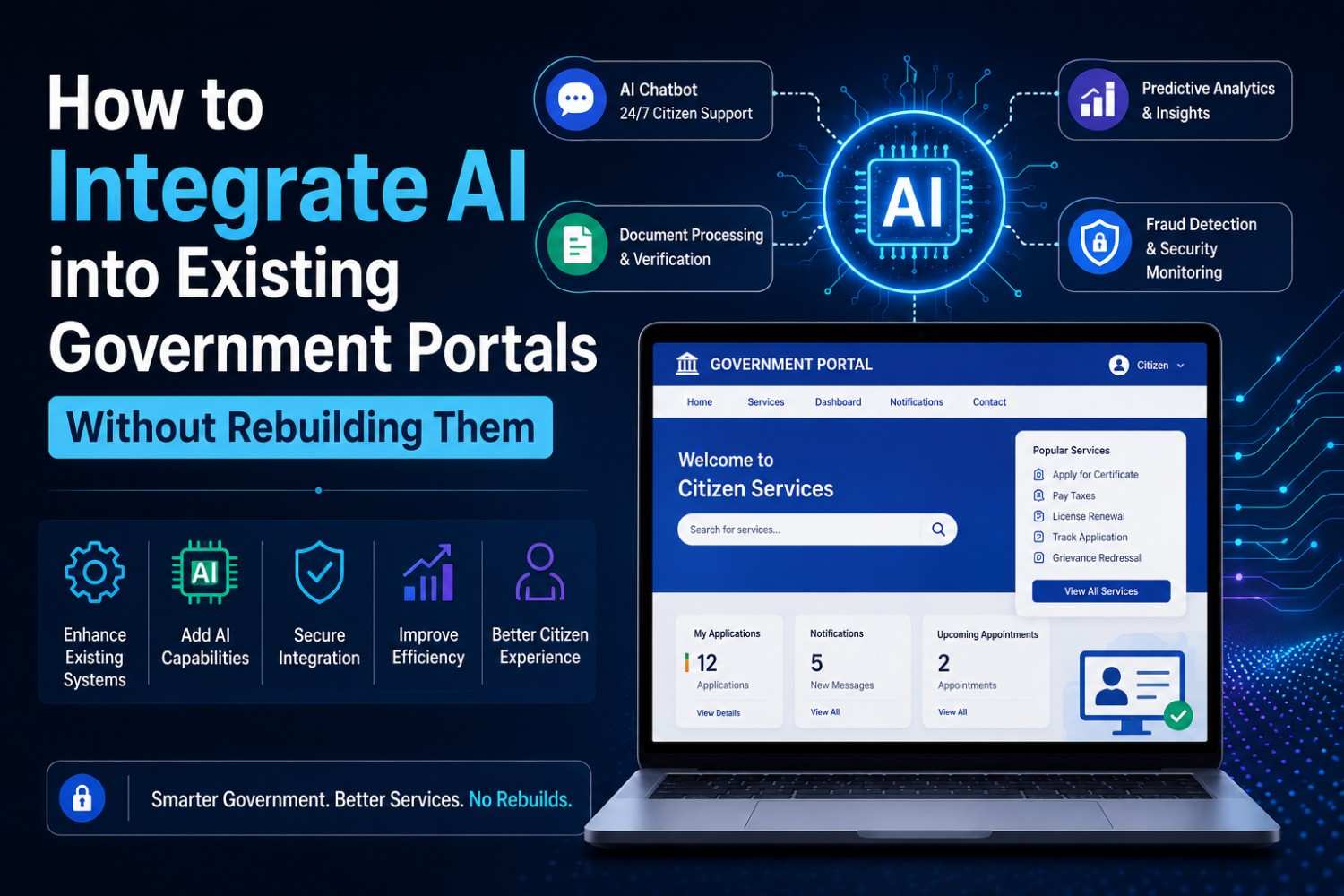
Yes. They can integrate with existing government databases, CRM platforms, citizen service portals, document management systems, and enterprise applications through secure APIs, enabling real-time access to information.
.png)
.png)

.png)
.png)
.png)
_(1).png)
.png)