


When citizens report issues like damaged roads, water supply problems, broken streetlights, or garbage collection delays, they expect quick action from government departments.
However, managing thousands of complaints manually can be slow and time-consuming. This often leads to delays, incorrect routing, and poor citizen experiences. AI in e-Governance is helping solve these challenges by automating complaint management and improving public service delivery.
It can answer citizen queries, route complaints to the right department, and reduce the workload on government staff.
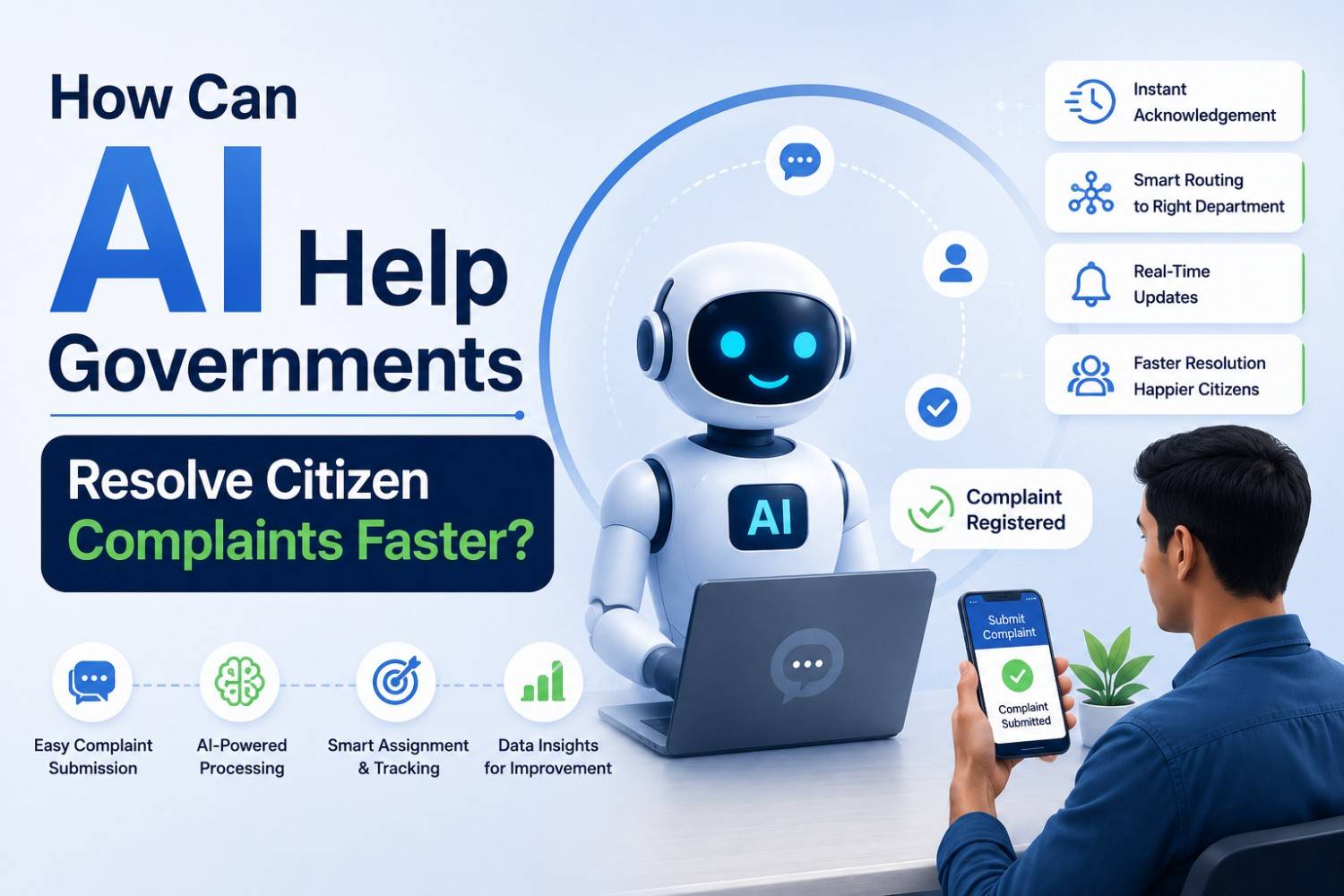
How AI Works in Citizen Complaint Management
When a citizen submits a complaint through a website, mobile app, chatbot, email, or phone call, AI helps manage the entire process automatically.
Step 1: Complaint Registration
The citizen submits a complaint through any government service channel.
Step 2: AI Understands the Complaint
Using Natural Language Processing (NLP), AI identifies the issue, such as:
- Road damage
- Water leakage
- Garbage collection
- Streetlight failure
Step 3: AI Assigns the Complaint
The system automatically sends the complaint to the correct government department.
Step 4: Real-Time Updates
Citizens receive automatic notifications whenever the complaint status changes.
Step 5: Resolution & Analysis
Once the complaint is resolved, AI stores the information and analyzes complaint trends to help governments improve public services.
This automated workflow reduces manual effort and allows government departments to resolve complaints much faster.
Why Do Governments Need AI for Citizen Complaint Management?
Many government agencies receive complaints through different channels, including:
- Online portals
- Mobile apps
- Emails
- Social media
- Phone calls
- Service centers
Managing all these requests manually can create several problems.
Common challenges include:
- Slow complaint registration
- Incorrect routing to departments
- Delayed responses
- Duplicate complaints
- Lack of status updates
- High workload for government employees
Using AI for citizen complaint management helps reduce these problems by automating many repetitive tasks.
Types of Citizen Complaints AI Can Handle
AI can help government departments manage complaints across many public services.
|
Government Department |
Examples of Complaints |
|
Public Works |
Damaged roads, broken footpaths |
|
Water Department |
Water leakage, low water pressure, no water supply |
|
Electricity |
Streetlight failures, power issues |
|
Sanitation |
Garbage collection, dirty public places |
|
Transport |
Bus delays, traffic signals, parking issues |
|
Municipal Services |
Property tax queries, certificates, civic services |
|
Public Health |
Hospital feedback, sanitation concerns |
Instead of manually sorting these complaints, AI automatically identifies the issue and sends it to the correct department.
How AI Helps Governments Resolve Complaints Faster
Government departments often receive a high volume of citizen complaints through websites, mobile apps, call centers, emails, and walk-in offices.
Managing these requests manually can lead to delays, routing errors, and increased workloads. AI helps smooth the entire complaint management process, enabling governments to provide faster and more efficient public services.
AI Handles Citizen Queries
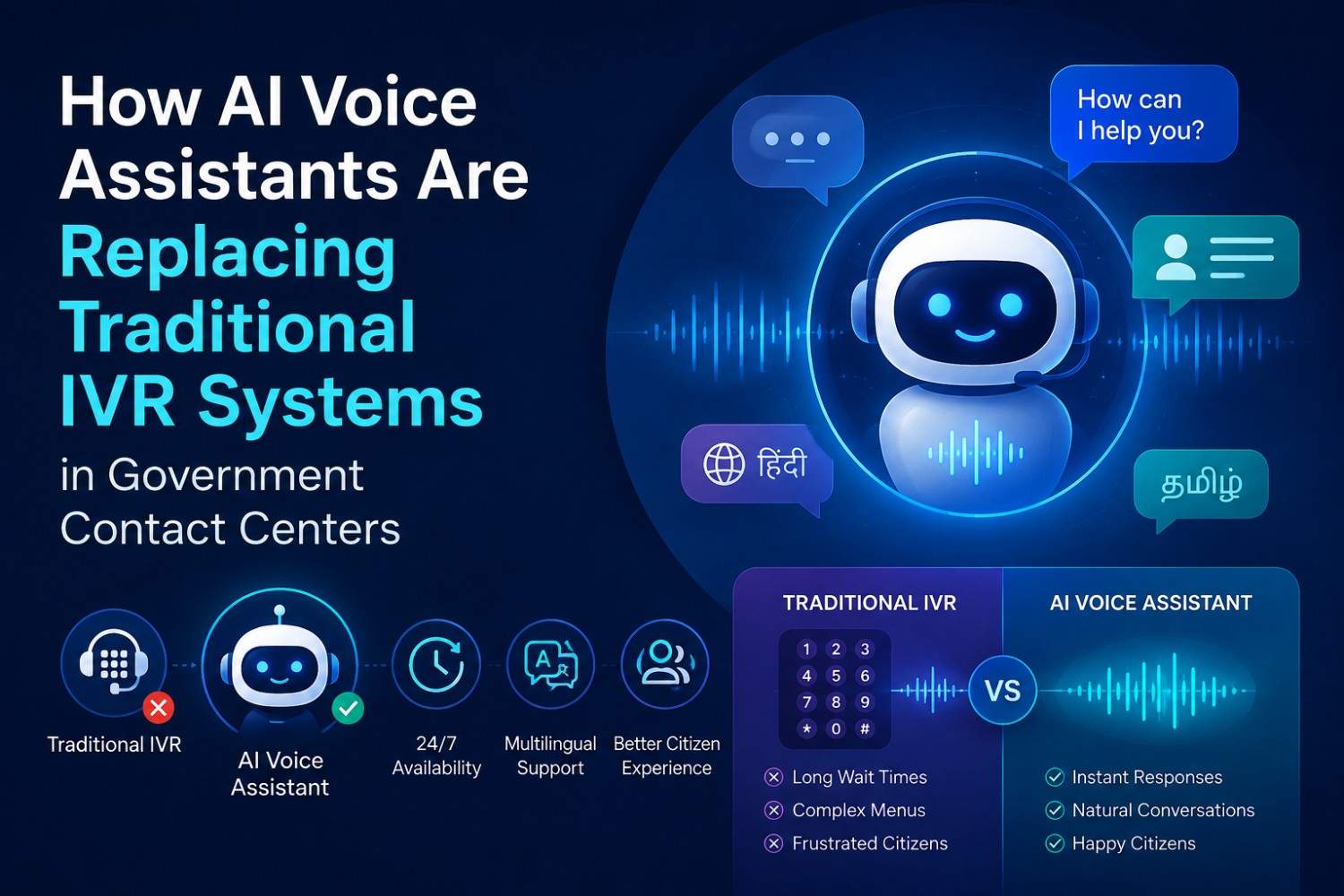
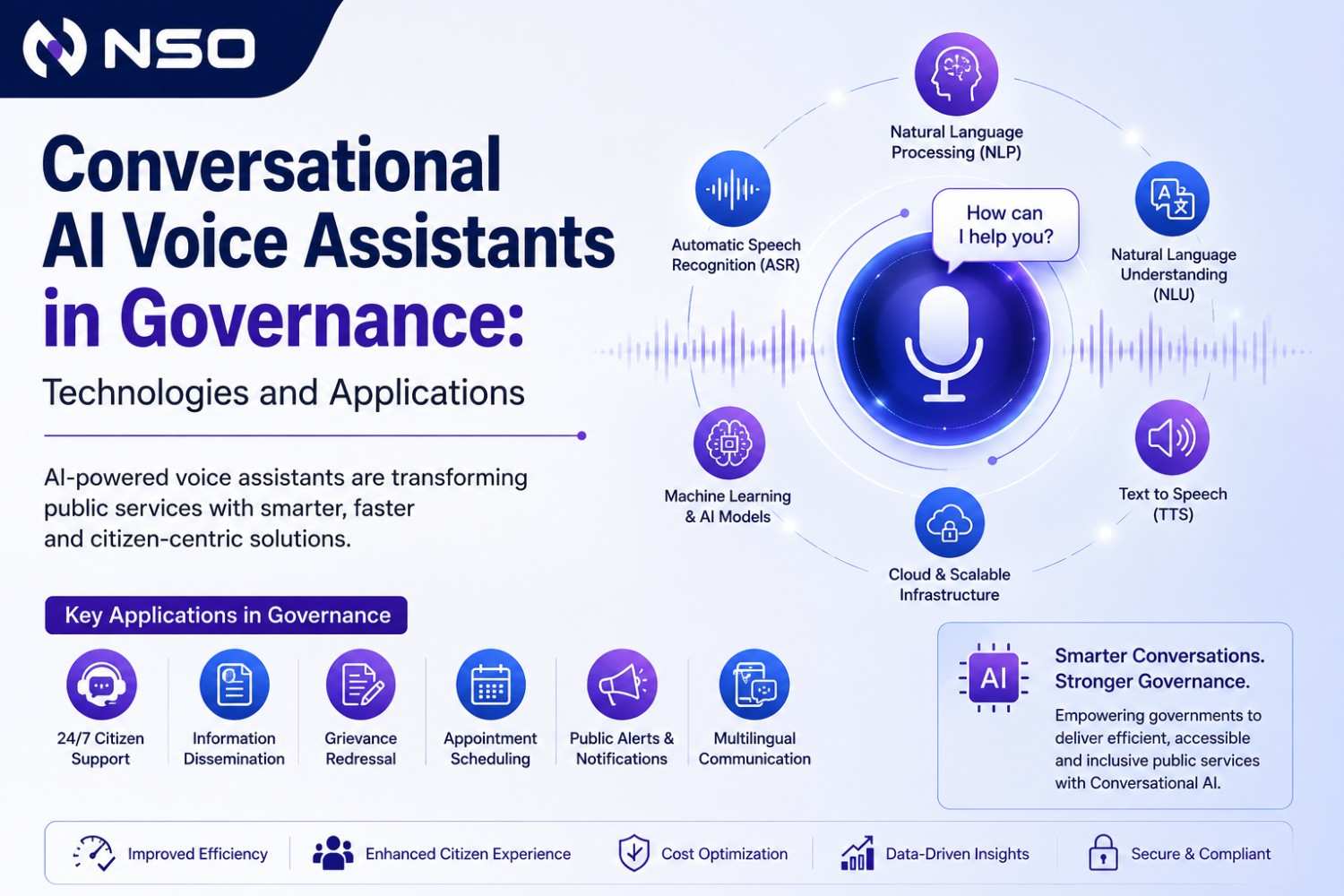
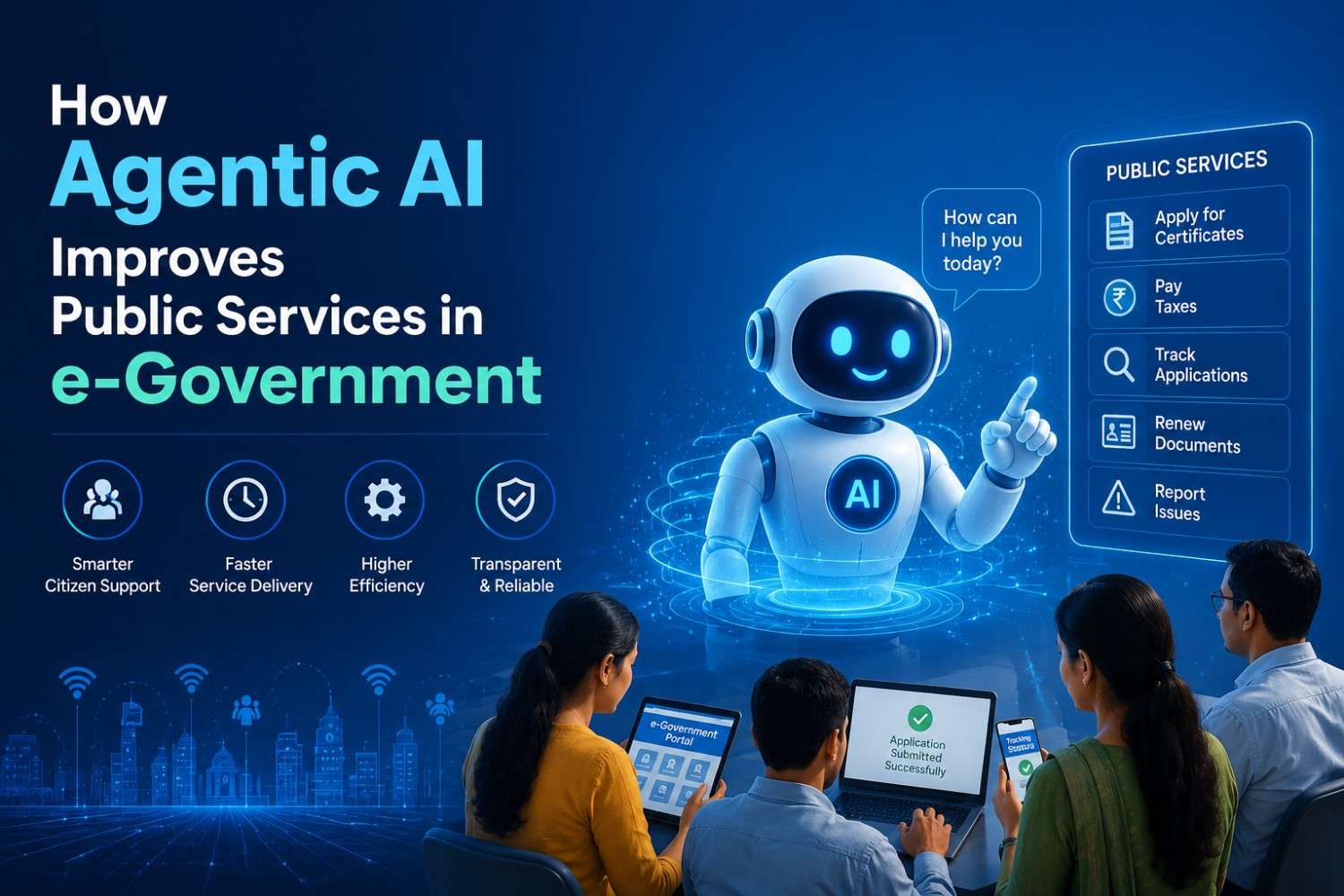
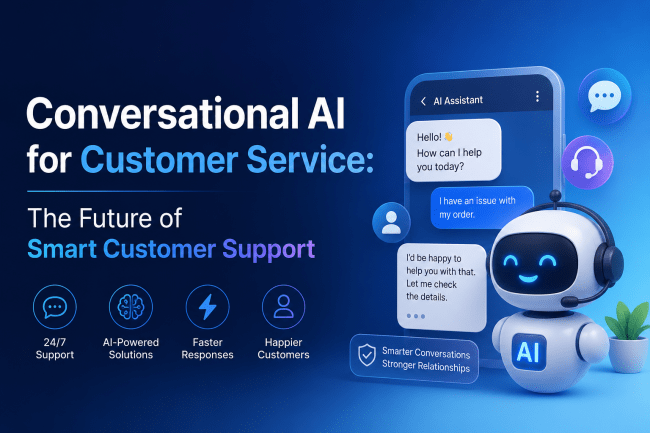
Citizens expect quick answers, but government offices cannot always provide support outside working hours. AI-powered voice assistants and chatbots can respond to common questions around the clock, helping citizens register complaints, check their complaint status, or learn about government schemes without waiting for an agent.
This improves AI for government customer service while reducing the workload on support teams.
Automatically Records and Organizes Complaints
Many complaints are received through phone calls, making manual documentation time-consuming. AI-powered Speech-to-Text technology converts citizen conversations into accurate digital records in real time.
This reduces manual data entry, improves documentation accuracy, and helps government departments process complaints more efficiently.
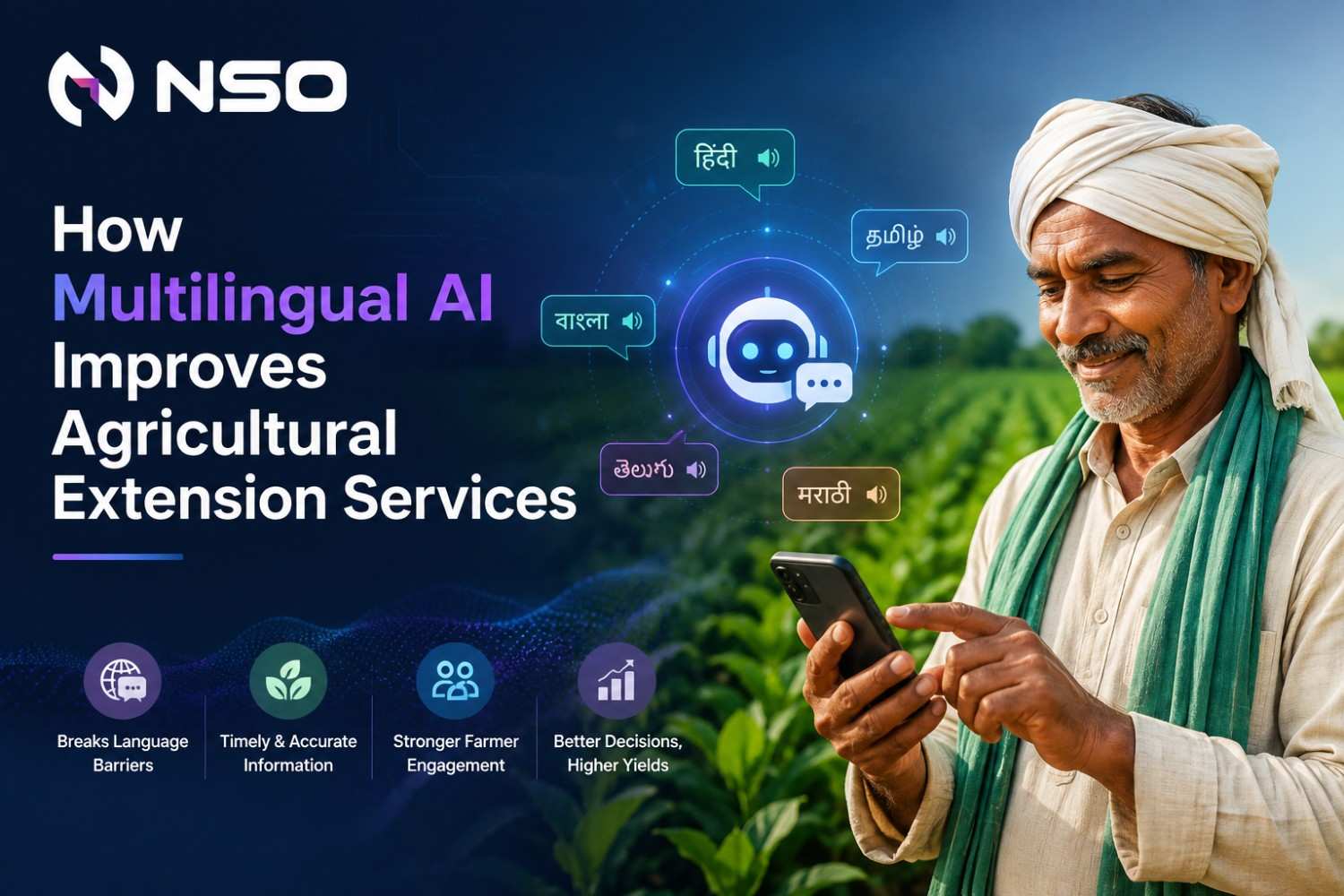
Supports Citizens in Multiple Regional Languages
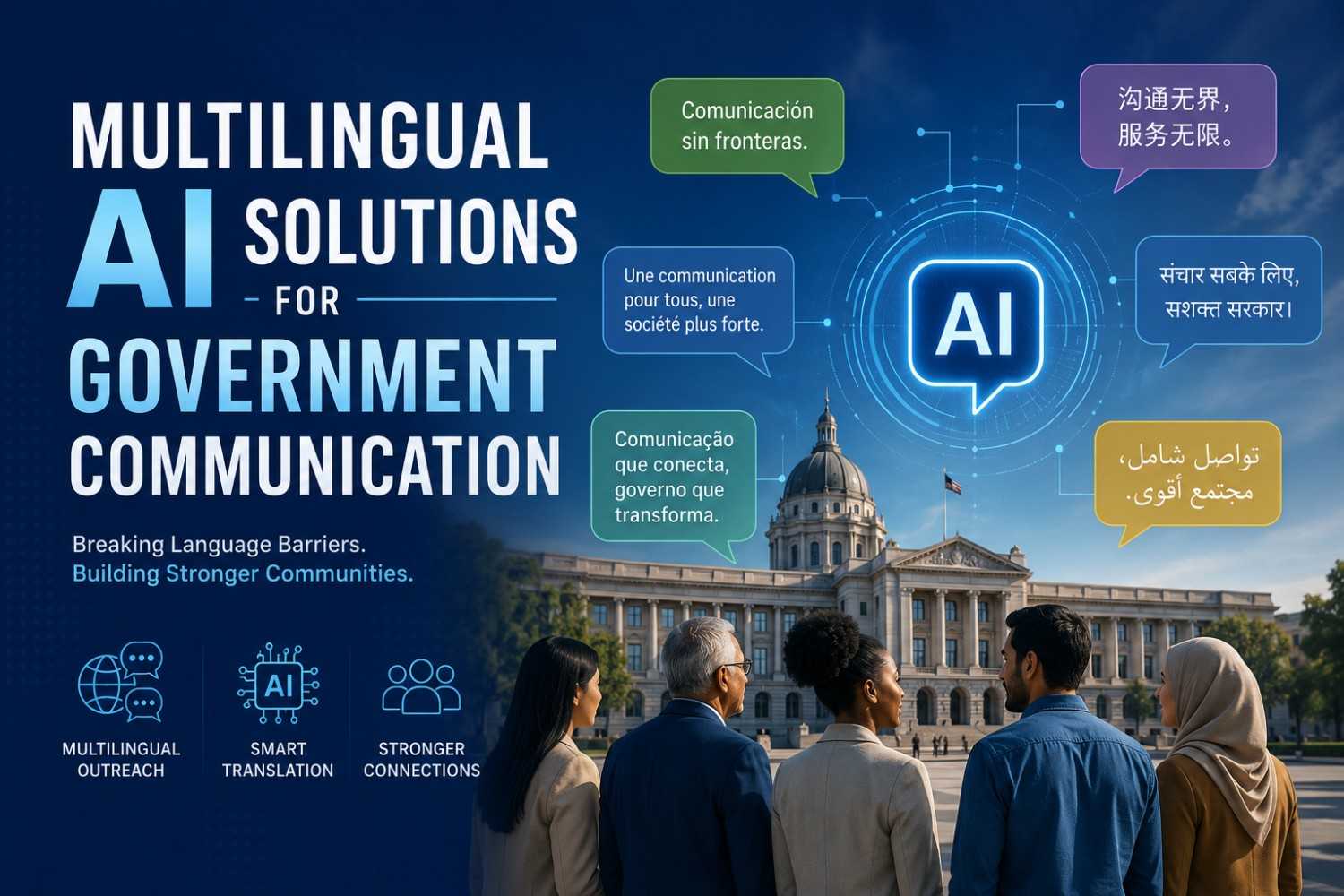
Many citizens prefer to communicate in their local language when using government services. NSO's AI platform supports 9+ regional languages, making it easier for people to ask questions, register complaints, and get support in the language they are most comfortable with.
This makes AI in Government Services more accessible and helps governments serve people from different regions more effectively.
Reduces the Workload on Government Staff
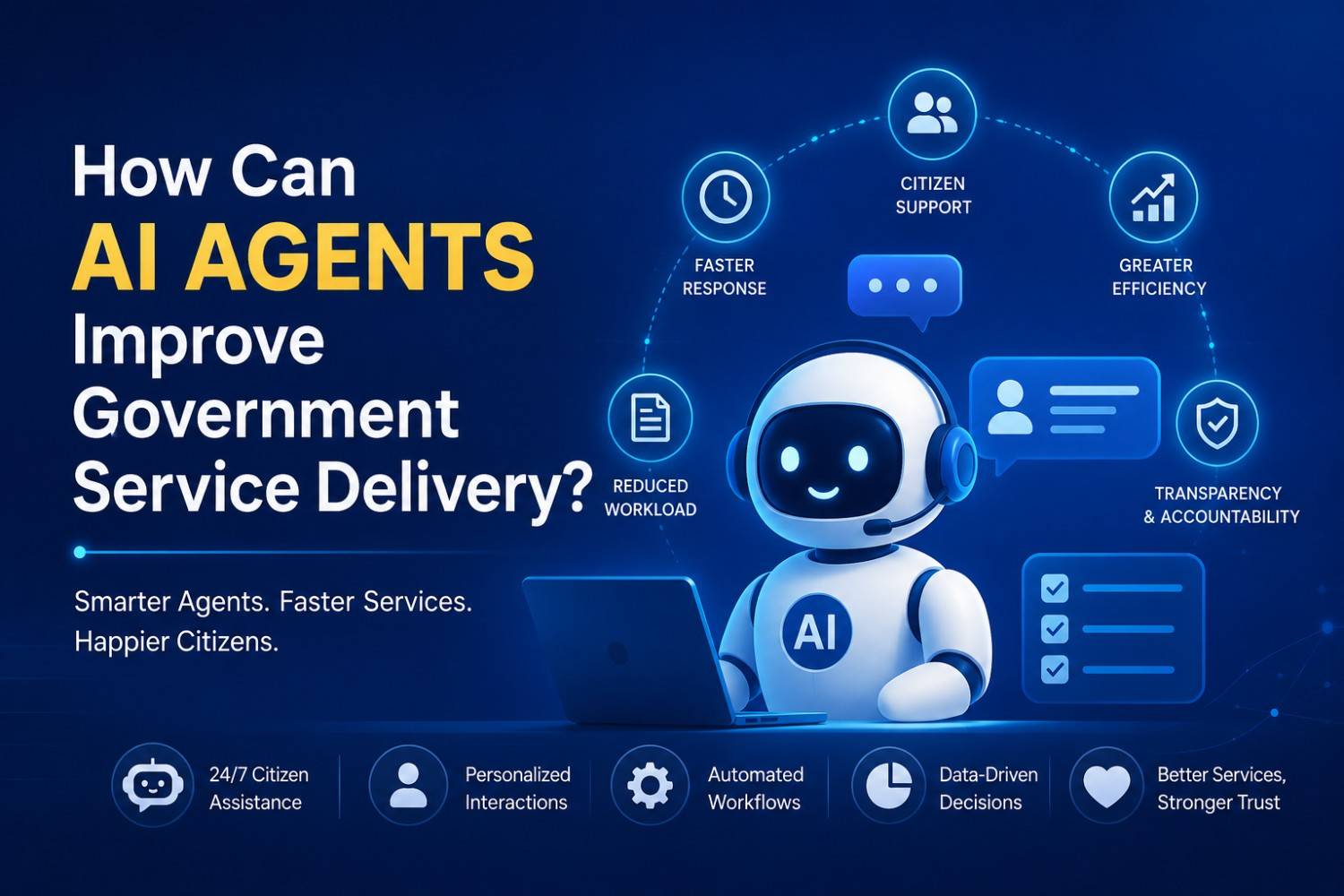
Government employees spend a significant amount of time answering repetitive questions and performing routine administrative tasks. AI automates these activities, allowing staff to focus on complex complaints that require human attention.
This leads to faster processing times and better use of government resources.
Delivers Faster Public Services
AI speeds up the entire complaint lifecycle, from receiving a complaint to responding and tracking its progress. Citizens receive quicker acknowledgements and faster responses, while departments can handle more requests without increasing staff.
This makes AI for citizen complaint management more efficient and improves the overall citizen experience.
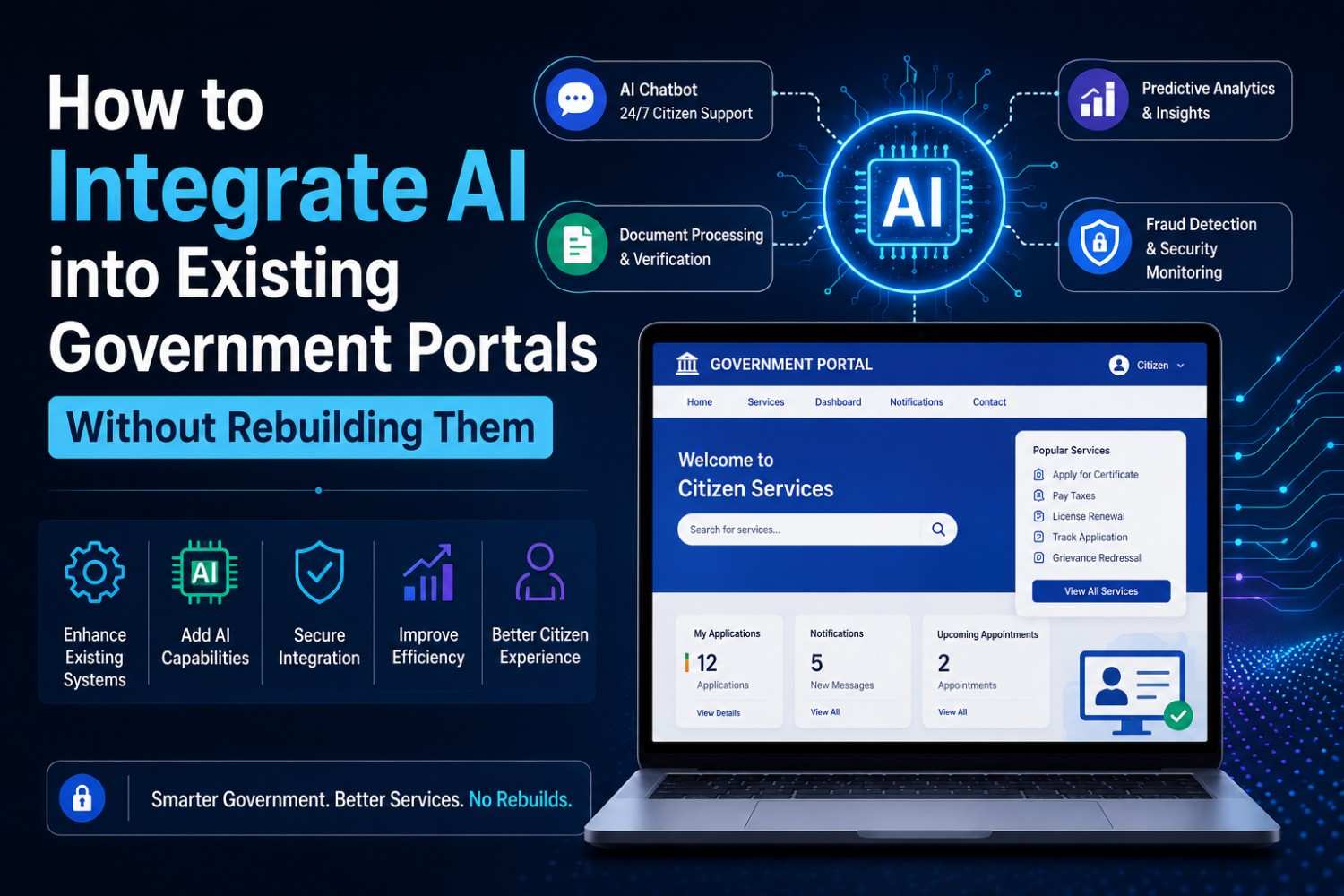
Integrates with Existing Government Systems
Government departments already use various digital platforms for citizen services. NSO's AI solutions are designed to integrate with existing e-governance systems, websites, mobile applications and CRM solutions.
This allows departments to adopt AI without replacing their current infrastructure, making digital transformation smoother and more cost-effective.
What Are the Benefits of Using AI in Governments?
Using AI offers several advantages for both governments and citizens.
- Faster Response Times: AI automates repetitive tasks, allowing complaints to move through the system much faster.
- Better Citizen Satisfaction: Citizens receive quicker responses, regular updates, and better communication.
- Lower Administrative Work: Government employees spend less time on manual sorting and data entry.
- Improved Accuracy: AI reduces human errors when classifying and assigning complaints.
- Better Resource Planning: Governments can identify recurring issues and allocate resources more effectively.
- Increased Transparency: Citizens can easily track the progress of their complaints.
The Future of AI in Government Services
As AI technology continues to improve, governments are expected to offer faster, smarter, and more personalized public services.
Future AI systems may:
- Predict public service issues before they occur.
- Automatically recommend solutions based on previous cases.
- Support multilingual communication for diverse communities.
- Integrate with smart city infrastructure.
- Provide more personalized citizen experiences.
Rather than replacing government employees, AI will act as a powerful assistant that helps deliver better services while allowing staff to focus on complex tasks requiring human expertise.
Manual Complaint Management vs AI-Powered Complaint Management
|
Manual Process |
AI-Powered Process |
|
Complaints sorted manually |
AI classifies complaints automatically |
|
Staff route complaints manually |
AI sends complaints to the correct department instantly |
|
Limited office-hour support |
24/7 AI chatbot support |
|
Manual status updates |
Automatic real-time notifications |
|
High workload for employees |
Routine tasks handled by AI |
|
Slower response times |
Faster complaint resolution |
|
Difficult to analyze complaint trends |
AI generates reports and insights automatically |
This comparison clearly shows how AI in Government Services helps improve efficiency while providing better experiences for citizens.
Conclusion
Artificial intelligence is changing the way governments manage citizen complaints. It helps departments receive, organize, and resolve complaints faster by automating routine tasks and sending requests to the right teams. This reduces delays and improves the overall quality of public services.
If you're looking for AI in Government Services, NSO provides AI-powered solutions designed to help government organizations improve citizen engagement and service delivery. From AI chatbots and virtual assistants to intelligent automation and multilingual support, our solutions help smooth public services and increase the citizen experience.
To learn more about how we can support your digital governance initiatives, contact us at +91 99305 57570 or email info@nsoverse.com.
Frequently Asked Questions
1. How does AI improve governance?
Ans: AI improves governance by helping government departments work faster and more efficiently. It can automate routine tasks, manage citizen complaints, answer common questions, and analyze data to support better decision-making.
2. How can generative AI in government help?
Ans: Generative AI helps government agencies create responses, summarize documents, answer citizen questions, and assist with administrative tasks.
3. What is the role of AI in the government sector?
Ans: The role of AI in the government sector is to improve public services and make government operations more efficient. AI helps with citizen complaint management, customer support, document processing, fraud detection, data analysis, and service delivery, making it easier for governments to serve citizens effectively.
.png)



.png)

.png)
.png)
.png)
_(1).png)
.png)