

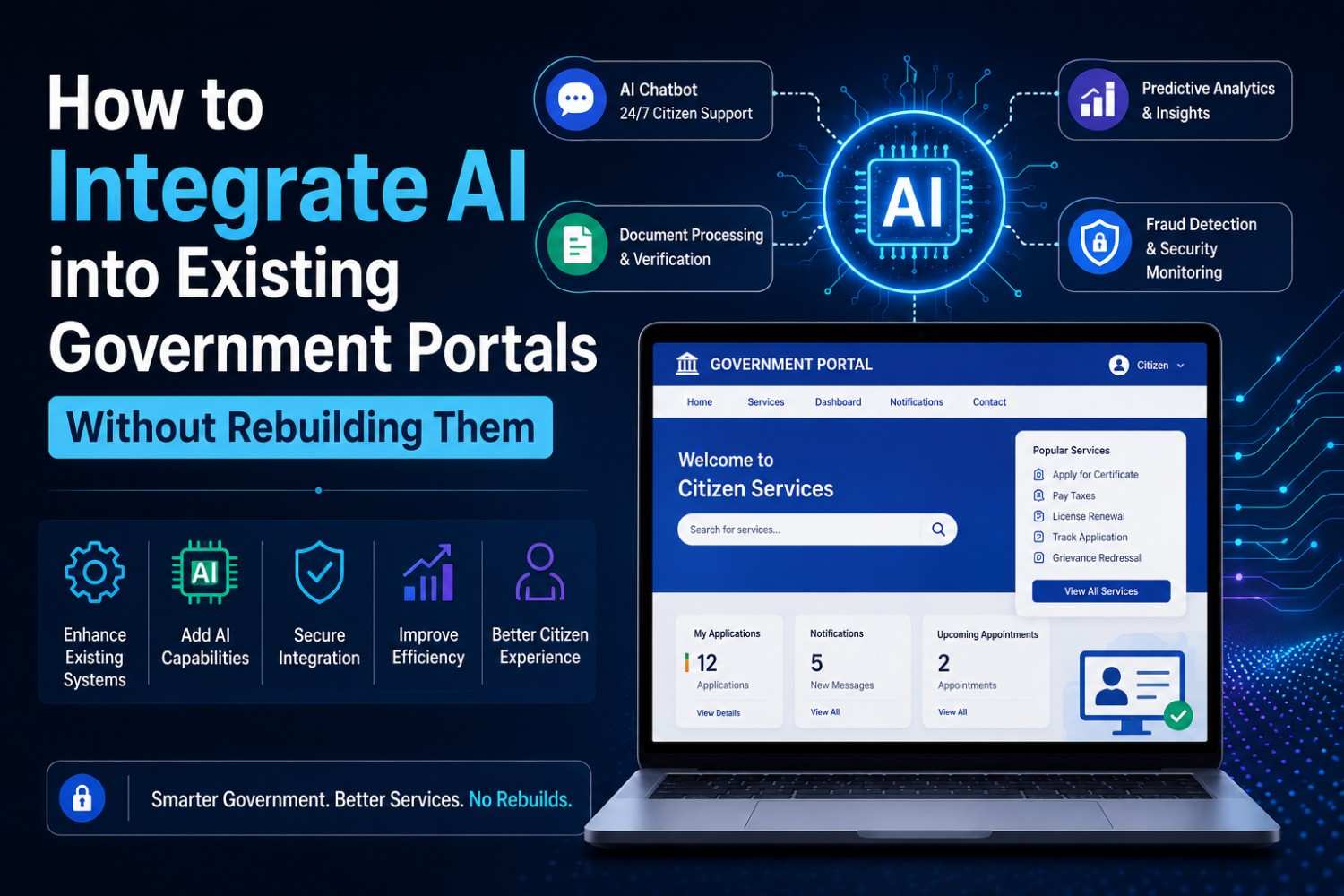

What if your government portal could become AI-powered without rebuilding it from the ground up?
Many government agencies delay AI adoption because they believe it requires replacing existing digital infrastructure. The idea of rebuilding citizen portals, tax systems, healthcare platforms, or municipal websites often raises concerns about high costs, long implementation timelines, and disruptions to essential public services.
The reality is far more practical.
A government portal doesn't become obsolete simply because artificial intelligence evolves faster than traditional software. Today's AI technologies can be integrated into existing government systems through secure APIs, middleware, and cloud or on-premise deployments, allowing agencies to modernize without changing their core architecture.
Whether you manage a citizen service portal, e-governance platform, healthcare system, or taxation portal, AI can transform the way your organization operates without requiring a complete redevelopment.
By enhancing existing infrastructure instead of replacing it, government agencies can accelerate digital transformation, reduce implementation risks, and deliver faster, smarter, and more citizen-centric public services.
Why Governments Prefer AI Integration Over Full Portal Replacement
Government digital platforms often support millions of users and connect with numerous internal departments. Rebuilding these systems from scratch introduces significant risks, including service downtime, data migration challenges, compliance concerns, and budget overruns.
AI integration offers a lower-risk modernization strategy by allowing agencies to add intelligent capabilities while preserving existing workflows and databases.
Some of the biggest advantages include:
- Faster implementation with minimal service interruption
- Lower development and maintenance costs
- Better utilization of existing IT investments
- Easier compliance with government security regulations
- Improved citizen experience without changing familiar interfaces
This approach enables governments to modernize incrementally instead of replacing stable systems that already perform their primary functions effectively.
Key Areas Where AI Can Be Added to Existing Government Portals
AI can enhance existing government portals with intelligent features without major redevelopment.
Intelligent Citizen Assistance
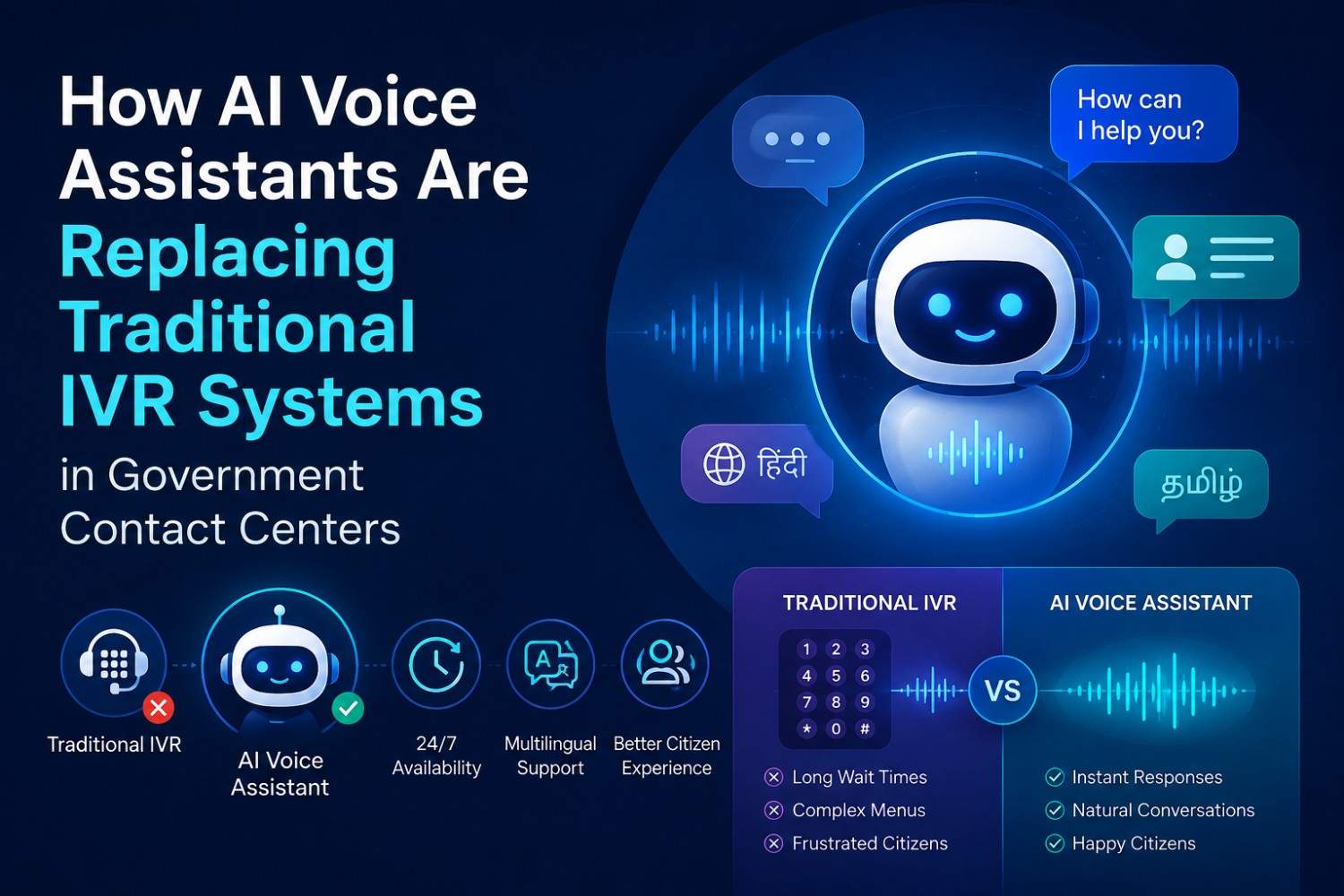
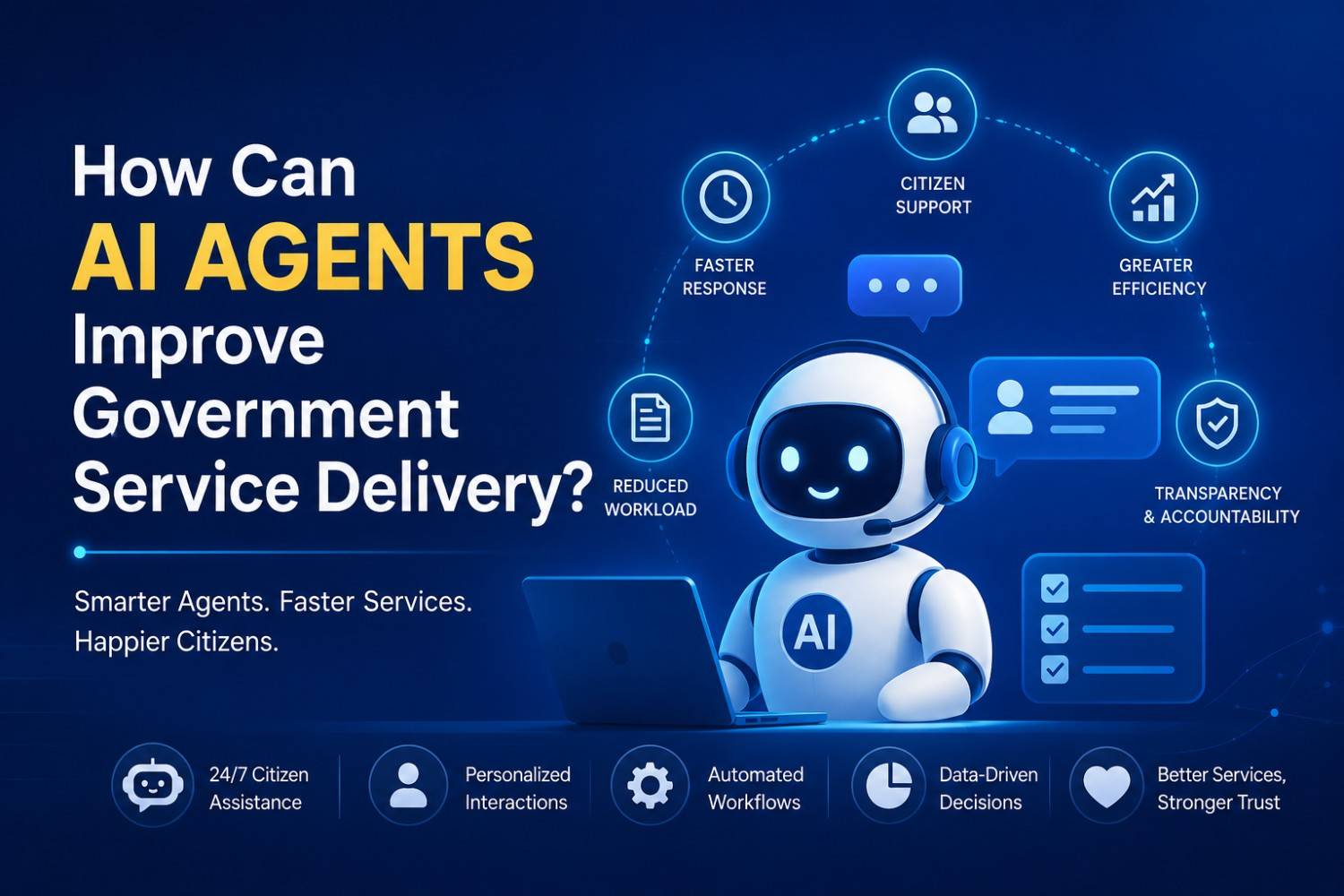
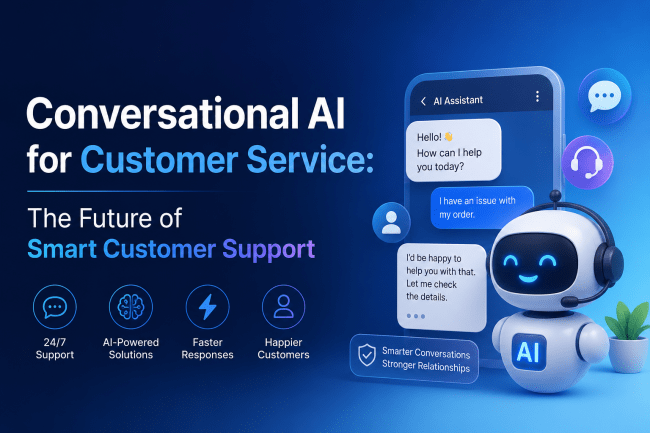
One of the easiest AI upgrades is adding conversational AI to government websites.
Instead of forcing citizens to search through dozens of webpages, AI-powered virtual assistants provide instant answers about:
- Government schemes
- Application procedures
- Required documents
- Office locations
- Eligibility criteria
- Application status
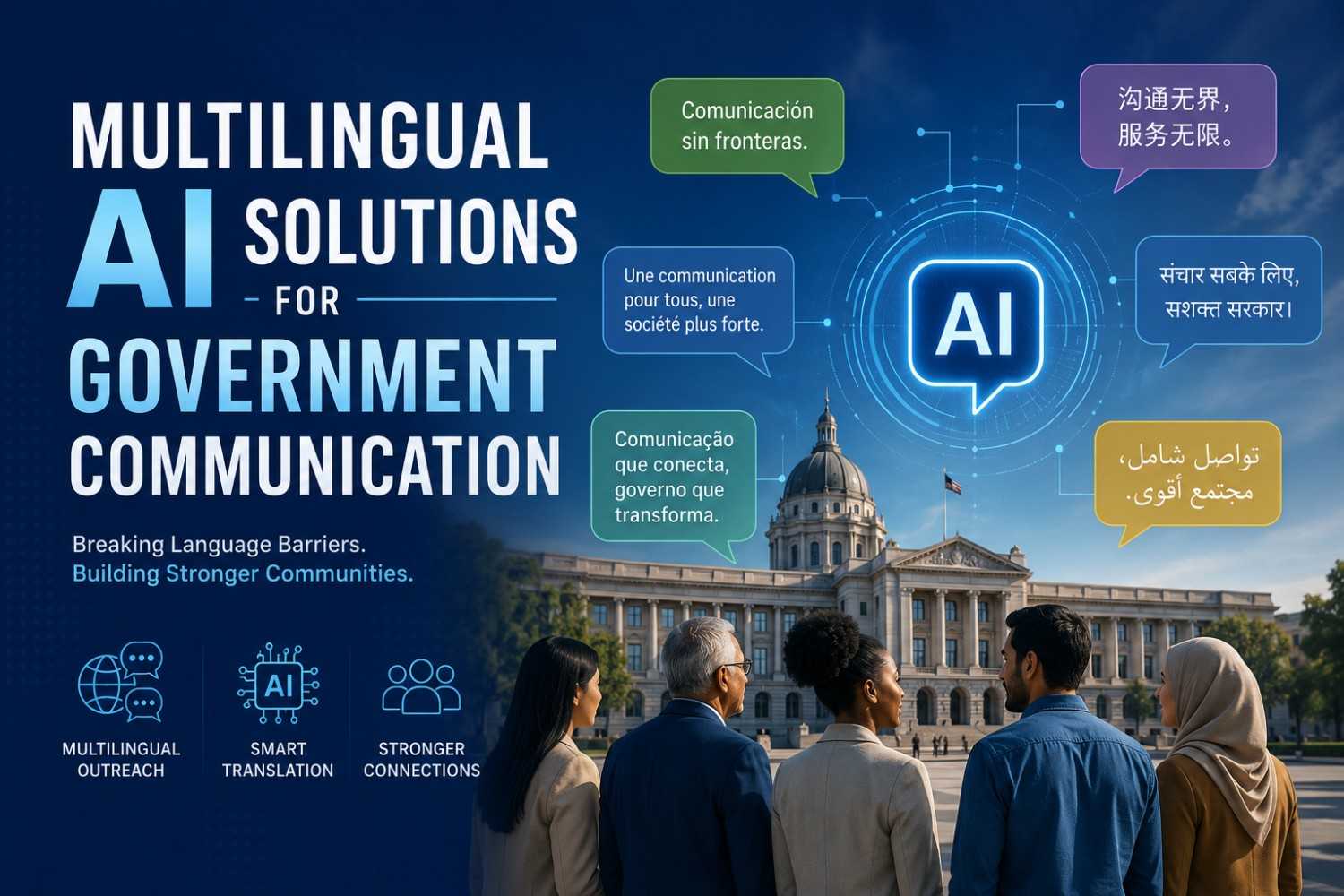
Unlike traditional chatbots, modern AI assistants understand natural language, maintain context, and support multiple regional languages, making public services more accessible.
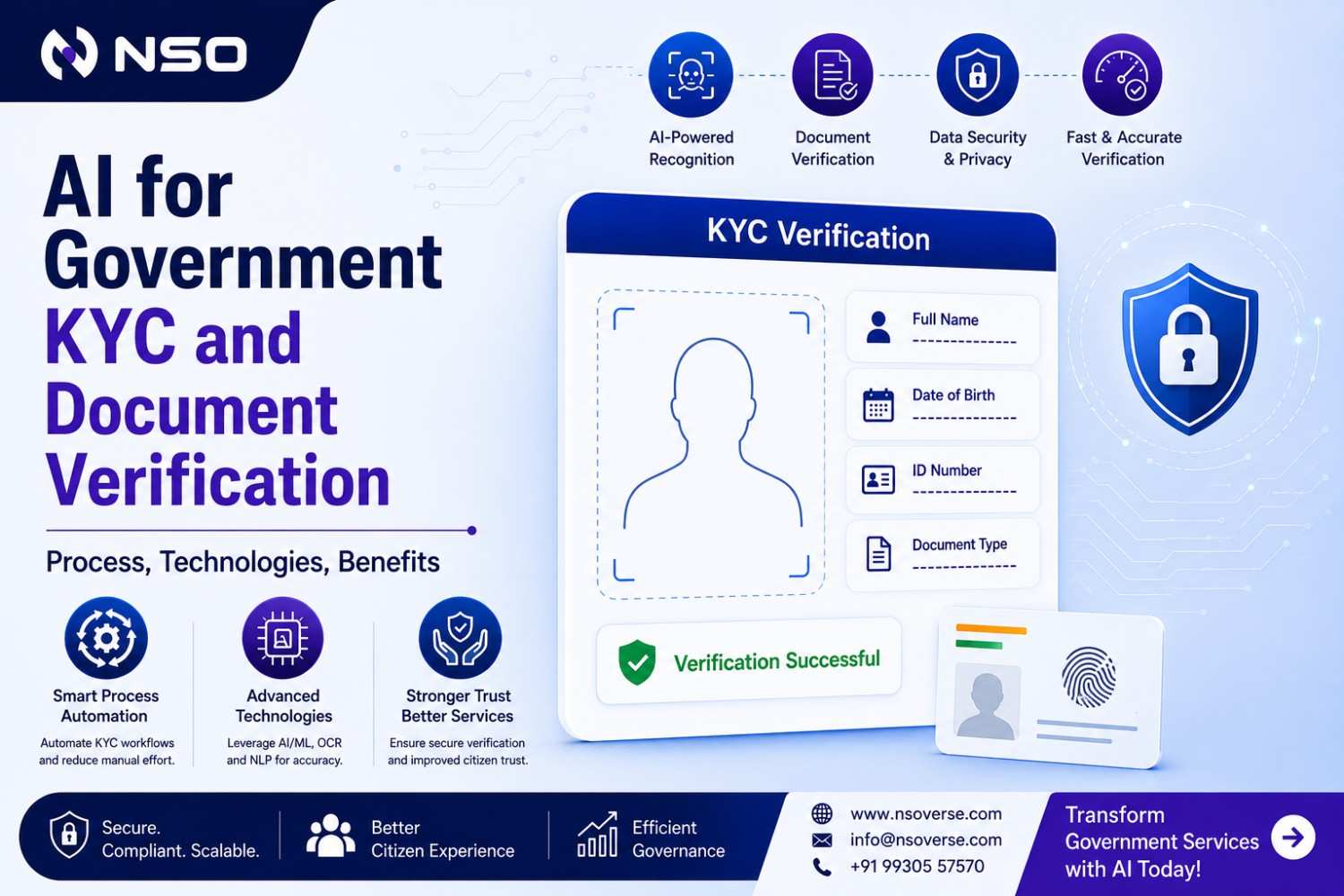
AI-Based Document Processing
Government departments process thousands of forms every day.
AI can automatically:
- Read uploaded documents
- Extract important information
- Validate entered details
- Detect missing fields
- Verify document authenticity
- Flag suspicious submissions
This dramatically reduces manual verification while accelerating approval workflows.
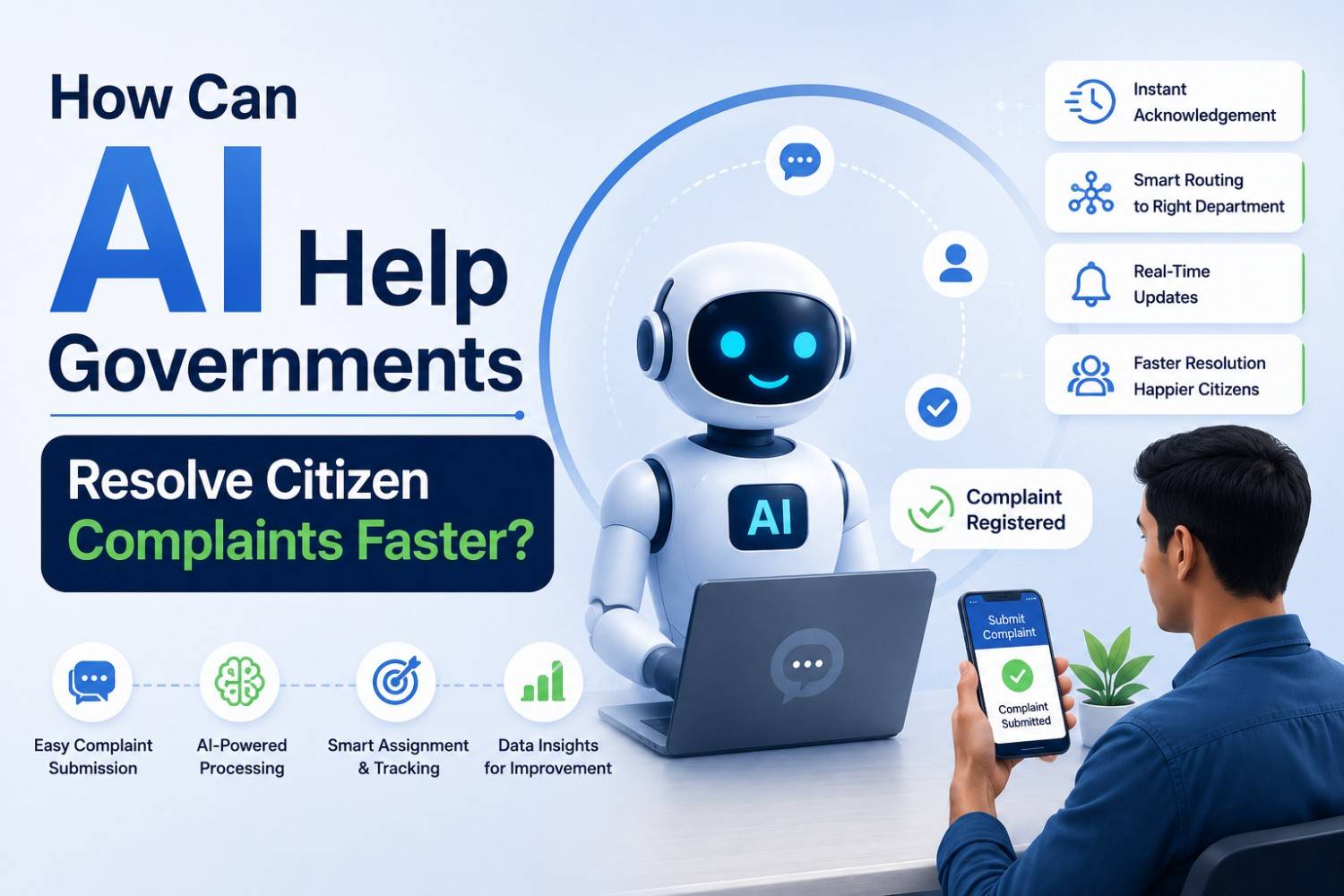
Automated Grievance Management
Citizen complaints often require manual classification before reaching the appropriate department.
AI can instantly:
- Categorize complaints
- Identify urgency levels
- Route requests to the correct department
- Recommend previous resolutions
- Track response times
The result is faster complaint resolution and improved citizen satisfaction without changing the existing grievance portal.
Smart Search Across Government Information
Many government portals contain thousands of pages, PDFs, notifications, and policy documents.
Instead of relying on keyword searches, AI-powered semantic search understands user intent.
For example, a citizen searching for:
"How do I renew my driving license?"
receives the correct application page even if those exact words never appear in the document.
This significantly improves information discovery while reducing support requests.
Building an AI Integration Layer Instead of Replacing the Portal
Successful government AI projects rarely modify the existing application directly.
Instead, they create an AI integration layer between the portal and backend systems.
This layer communicates securely with existing databases, authentication services, document repositories, and business applications.
The integration layer can:
- Connect with legacy databases
- Access APIs securely
- Process requests using AI models
- Return intelligent responses
- Maintain existing security policies
- Log every AI interaction for auditing
Because the core portal remains unchanged, implementation risk stays low while new AI capabilities continue expanding over time.
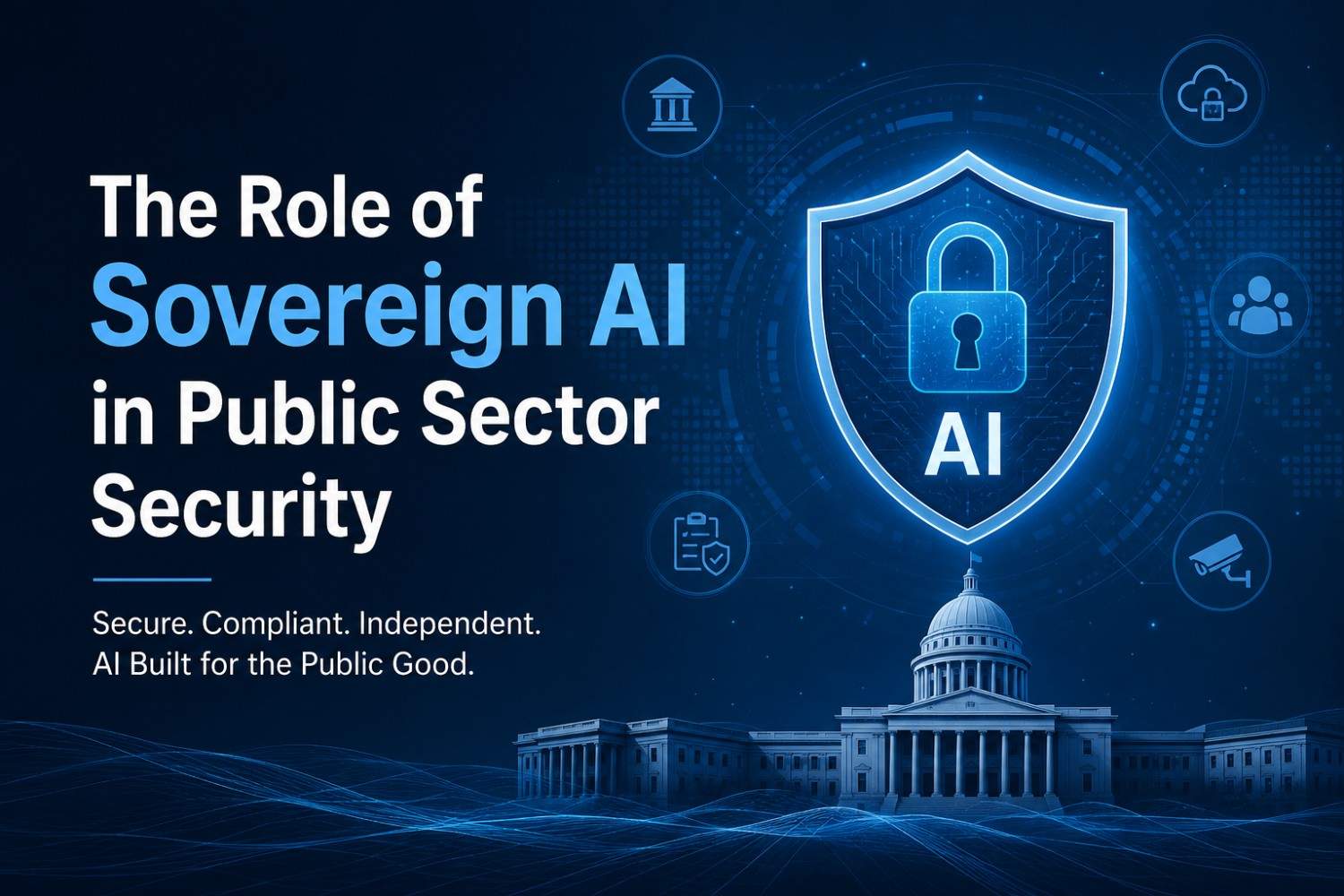
Security and Compliance Must Come First
Government systems handle highly sensitive information.
AI integration should strengthen security rather than introduce new vulnerabilities.
Key security practices include:
- Role-based access control
- End-to-end encryption
- Secure API gateways
- Multi-factor authentication
- Audit logging
- Data masking
- AI activity monitoring
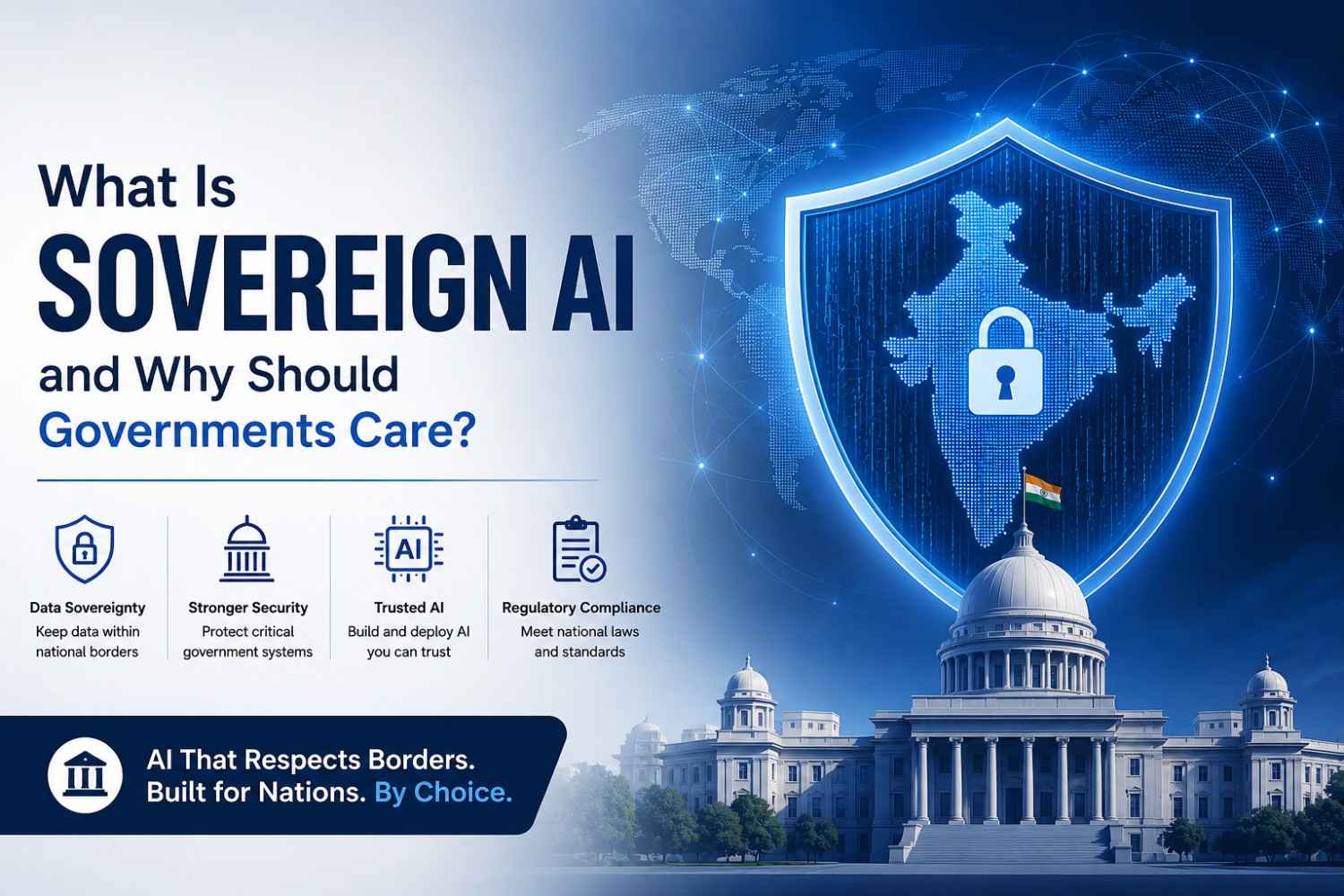
- On-premise or sovereign AI deployment for sensitive departments
Following these practices ensures AI adoption aligns with government cybersecurity frameworks and national data protection requirements.
Integrating AI Across Multiple Government Departments
One of AI's greatest strengths is its ability to work across interconnected departments.
Instead of each agency building separate AI systems, governments can deploy shared AI services supporting:
- Municipal corporations
- Revenue departments
- Healthcare agencies
- Education boards
- Transport authorities
- Tax departments
- Public utilities
- Citizen service centers
A centralized AI platform reduces operational costs, simplifies governance, and creates consistent citizen experiences across all public services.
Measuring Success After AI Integration
AI adoption should deliver measurable improvements rather than simply introducing new technology.
Government agencies should monitor:
- Average response time
- Citizen satisfaction scores
- Document processing speed
- First-contact resolution rate
- Manual workload reduction
- Portal usage growth
- Service completion rates
- Operational cost savings
These metrics provide clear evidence of AI's impact and help justify future digital transformation initiatives.
Traditional Portal vs AI-Enhanced Government Portal
|
Traditional Government Portal |
AI-Integrated Government Portal |
|
Manual document verification |
AI-powered document validation |
|
Keyword-based search |
Semantic AI search |
|
Static FAQ pages |
Conversational AI assistant |
|
Long grievance routing |
Automatic AI ticket classification |
|
Manual eligibility checks |
Intelligent eligibility recommendations |
|
Separate departmental systems |
AI-assisted cross-department workflows |
|
High call center workload |
AI voice assistants handling routine queries |
|
Reactive citizen support |
Proactive notifications and recommendations |
AI Technologies That Modernize Government Portals
|
Technology |
Government Use Case |
|
Large Language Models (LLMs) |
Citizen support, policy Q&A, multilingual assistance |
|
Natural Language Processing (NLP) |
Complaint classification and intelligent search |
|
Intelligent Document Processing (IDP) |
OCR, form extraction, document verification |
|
Computer Vision |
ID verification, image validation, fraud detection |
|
Machine Learning |
Fraud detection, predictive analytics, workload forecasting |
|
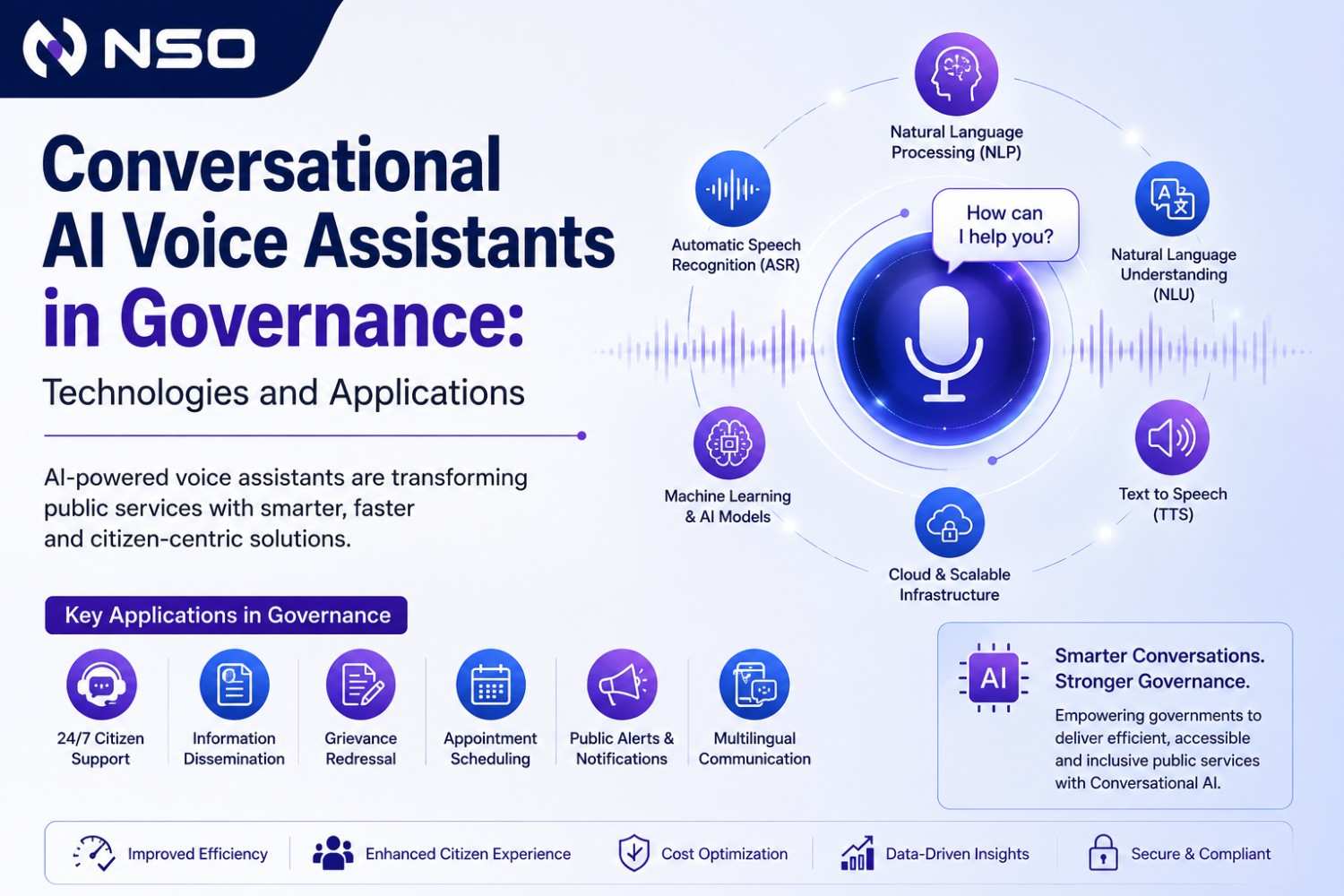
Speech Recognition (ASR) |
Voice-enabled citizen helplines |
|
Text-to-Speech (TTS) |
Voice responses for accessibility |
|
API-Based AI Services |
Integrating AI into legacy government applications |
|
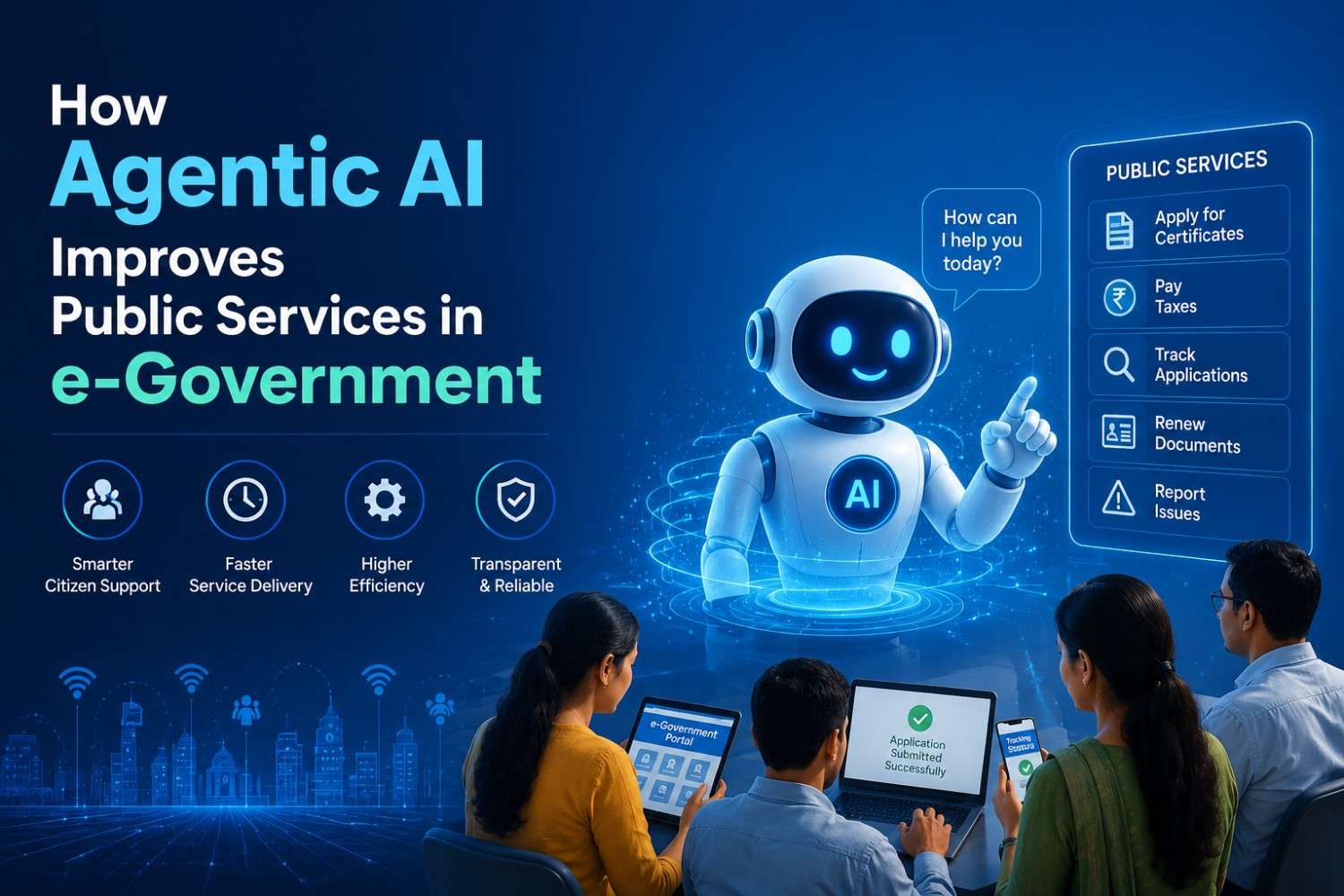
Agentic AI |
Autonomous workflow execution across departments |
Real-World Examples of AI Integration in Government
Rather than speaking in theory, demonstrate how governments are already applying AI:
- Singapore uses AI across multiple public services, including virtual assistants and intelligent government workflows, to improve digital citizen experiences.
- Estonia has integrated AI into its digital government ecosystem, enabling citizens to access many public services online with minimal manual intervention.
- The United Arab Emirates (UAE) deploys AI-powered virtual assistants and smart government initiatives to accelerate service delivery and improve citizen engagement.
- India is adopting AI in initiatives such as multilingual citizen services, document verification, healthcare, agriculture, and digital governance through various national and state-level programmes.
Conclusion
Governments no longer need to replace existing portals to embrace artificial intelligence. By integrating AI into current digital infrastructure, public sector organizations can automate workflows, improve citizen experiences, strengthen security, and increase operational efficiency while protecting previous technology investments. This phased approach minimizes costs, reduces implementation risks, and ensures uninterrupted public service delivery.
Nova Strategic Operations specializes in helping government agencies integrate secure, scalable, and compliant AI solutions into legacy systems. From AI-powered citizen support and document verification to intelligent automation and multilingual services, our experts deliver seamless integration tailored to public sector needs.
Ready to modernize your government portal without rebuilding it? Partner with NSO today and let our AI specialists help you create smarter, faster, and more citizen-centric digital services. Contact us to start your AI transformation journey.
Frequently Asked Questions
1. Can AI be integrated into legacy government portals without replacing them?
Yes. AI can be integrated using APIs, middleware, and secure integration layers that work alongside existing applications, eliminating the need for a complete rebuild.
2. Which government services benefit the most from AI integration?
Citizen support, document verification, grievance management, tax services, licensing, healthcare portals, public information systems, and digital identity platforms are among the most impactful use cases.
3. Is AI integration secure for government systems?
Yes. When implemented with secure APIs, encryption, access controls, audit logs, and sovereign or on-premise deployment options, AI integration can meet stringent government security and compliance requirements.
4. How long does AI integration typically take?
The timeline depends on the complexity of the existing portal and required AI features. Many integrations can be delivered in phases, allowing agencies to realize benefits quickly without disrupting ongoing public services.
5. What technologies are commonly used to integrate AI with existing government portals?
Common technologies include REST APIs, middleware platforms, AI orchestration services, large language models (LLMs), Optical Character Recognition (OCR), Natural Language Processing (NLP), workflow automation tools, and secure API gateways.
.png)

.png)
.png)
.png)
.png)
_(1).png)
.png)