

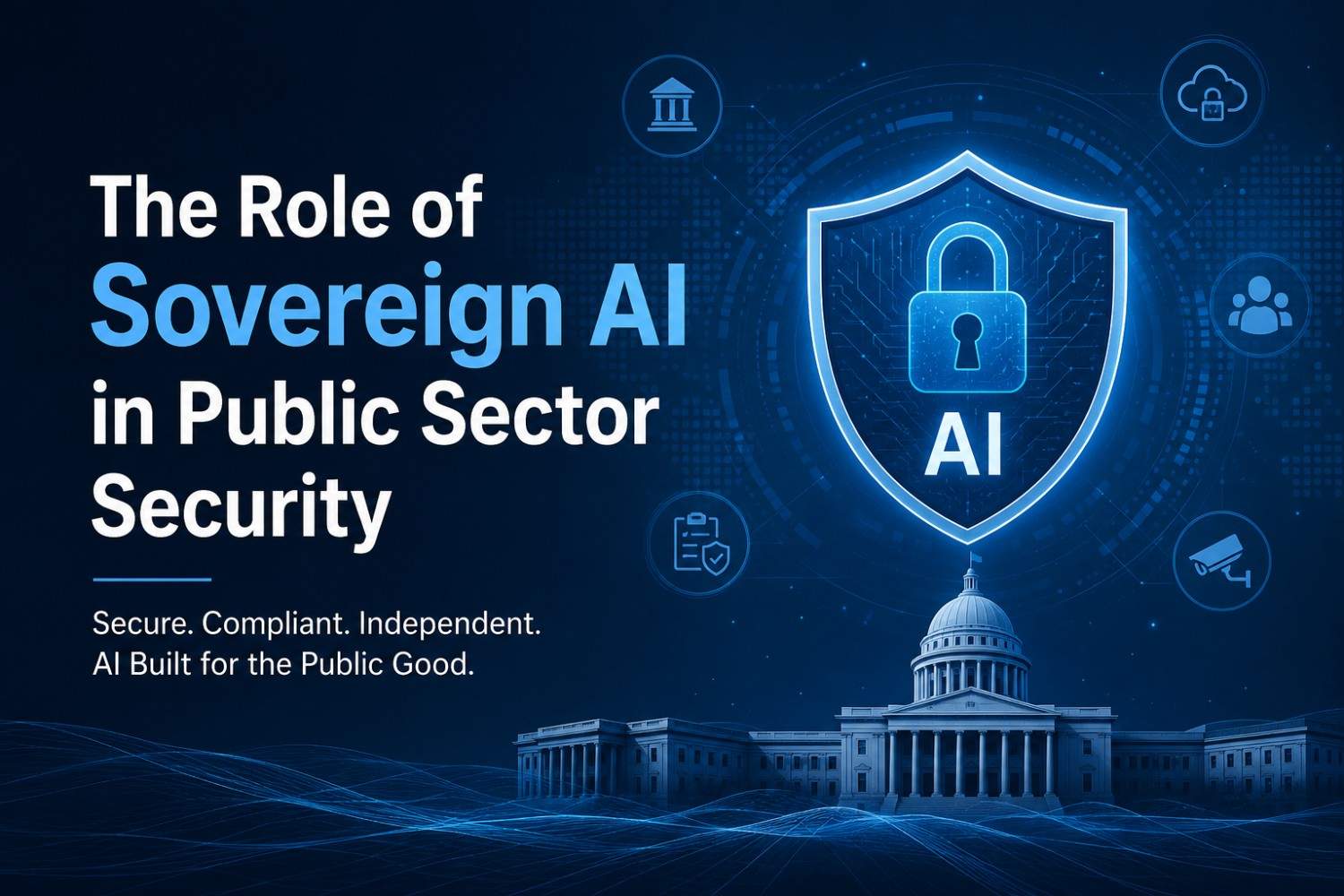

Every day, governments process millions of highly sensitive records citizen identities, defense intelligence, healthcare data, tax information, judicial documents, and critical infrastructure logs. Yet many public organizations are still relying on AI systems hosted outside their jurisdiction, where data governance, compliance, and control become increasingly difficult.
Here's the real challenge: AI can improve public services, but if governments lose control over where their data is processed, stored, or accessed, they risk creating new national security vulnerabilities.
This is where Sovereign AI becomes a strategic necessity rather than just another technology initiative.
Instead of sending sensitive government information to external AI platforms, Sovereign AI enables countries to build, deploy, and operate AI systems within their own legal, technological, and security boundaries. It gives governments complete ownership of their data, AI models, infrastructure, and decision-making processes while maintaining compliance with national regulations.
In this blog, we'll explore how Sovereign AI is transforming public sector security, why governments around the world are investing in sovereign AI ecosystems, and how it helps protect citizens, national infrastructure, and government operations against modern cyber threats.
What is Sovereign AI?
Sovereign AI refers to artificial intelligence systems that are developed, deployed, and governed under a nation's own jurisdiction. Unlike public AI platforms that often rely on foreign cloud infrastructure, Sovereign AI keeps sensitive government data within national boundaries while giving public agencies full control over AI operations.
A Sovereign AI ecosystem typically includes:
- National AI infrastructure
- Secure government cloud platforms
- Locally hosted Large Language Models (LLMs)
- National data governance frameworks
- AI models trained on domestic datasets
- Government-controlled cybersecurity policies
The objective is not simply to adopt AI, it is to ensure AI serves national interests without compromising security or digital sovereignty.
Why Public Sector Security Requires Sovereign AI
Governments manage some of the world's most valuable digital assets. These include:
- National identity databases
- Defense communications
- Taxpayer information
- Healthcare records
- Law enforcement intelligence
- Election systems
- Border control data
- Judicial records
Traditional AI deployments often involve third-party cloud providers or external AI services, introducing concerns such as:
- Cross-border data transfers
- Foreign legal jurisdiction
- Limited transparency into AI processing
- Vendor lock-in
- Increased cyberattack exposure
- Data privacy risks
Sovereign AI minimizes these risks by ensuring sensitive information never leaves approved national infrastructure.
Building a Sovereign AI Roadmap
Building a Sovereign AI roadmap requires a strategic, phased approach that enables governments to develop secure, transparent, and nationally controlled AI ecosystems. Instead of adopting fragmented AI solutions, governments should focus on long-term planning that aligns technology investments with national priorities, security requirements, and public service goals.
1. Evaluate Current AI Readiness
Assess existing digital infrastructure, AI capabilities, cloud environments, data quality, cybersecurity maturity, and workforce skills to identify gaps before implementation.
2. Create a National AI Strategy
Develop a comprehensive roadmap with clear objectives, governance policies, funding models, implementation timelines, and measurable outcomes aligned with national development goals.
3. Establish Sovereign Data Infrastructure
Store and process government and citizen data within national borders using sovereign cloud platforms or domestic data centers to ensure compliance, privacy, and greater control over sensitive information.
4. Strengthen AI Governance Frameworks
Introduce policies covering AI ethics, transparency, accountability, data protection, bias mitigation, explainability, and regulatory compliance to ensure responsible AI adoption across government agencies.
5. Invest in Domestic AI Innovation
Support local AI startups, research institutions, universities, and technology companies to reduce dependence on foreign vendors while encouraging innovation and creating a self-sufficient AI ecosystem.
6. Secure Critical AI Systems
Implement robust cybersecurity measures such as encryption, identity and access management, continuous monitoring, threat detection, and disaster recovery to protect national AI infrastructure.
7. Deploy AI Across Public Services
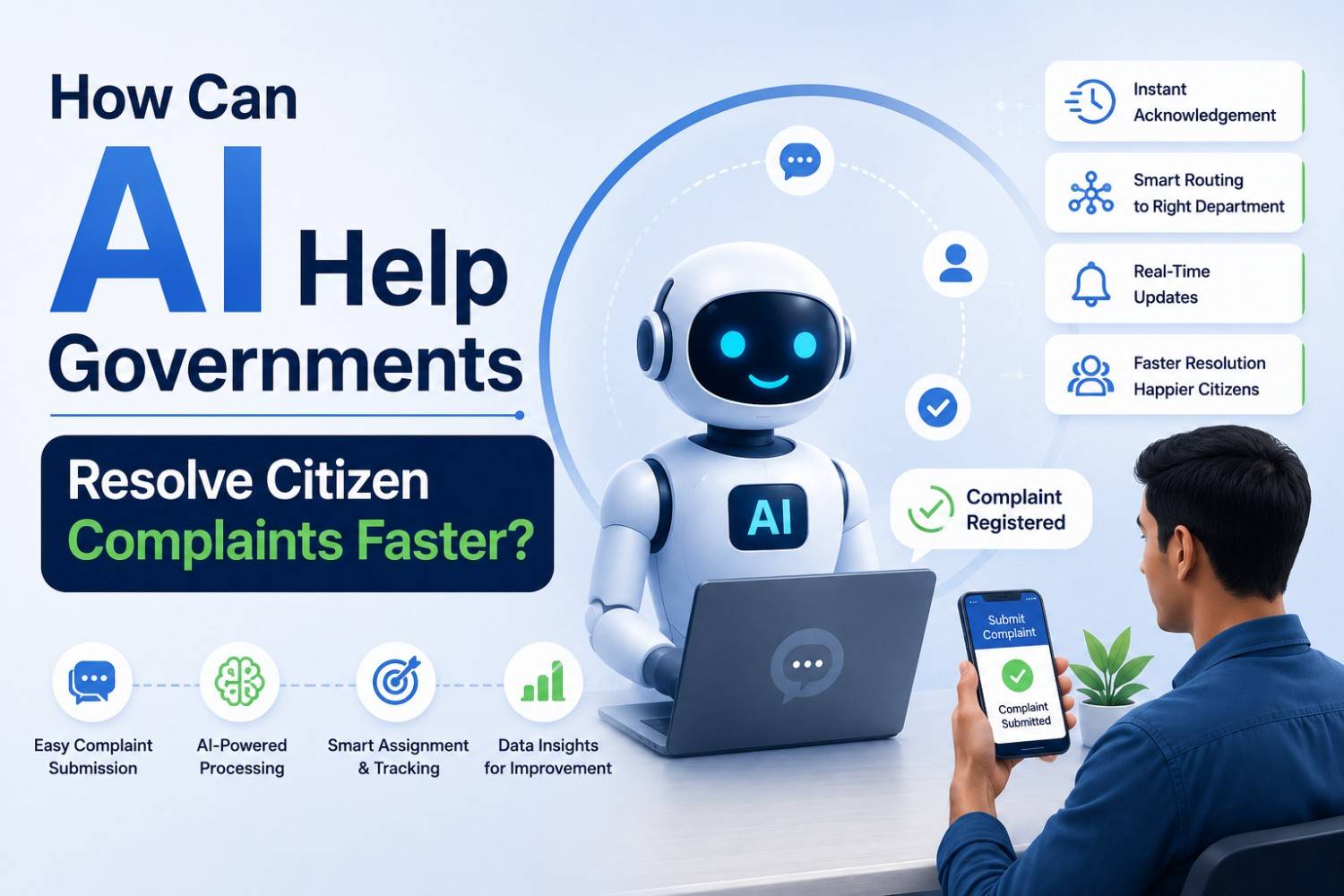
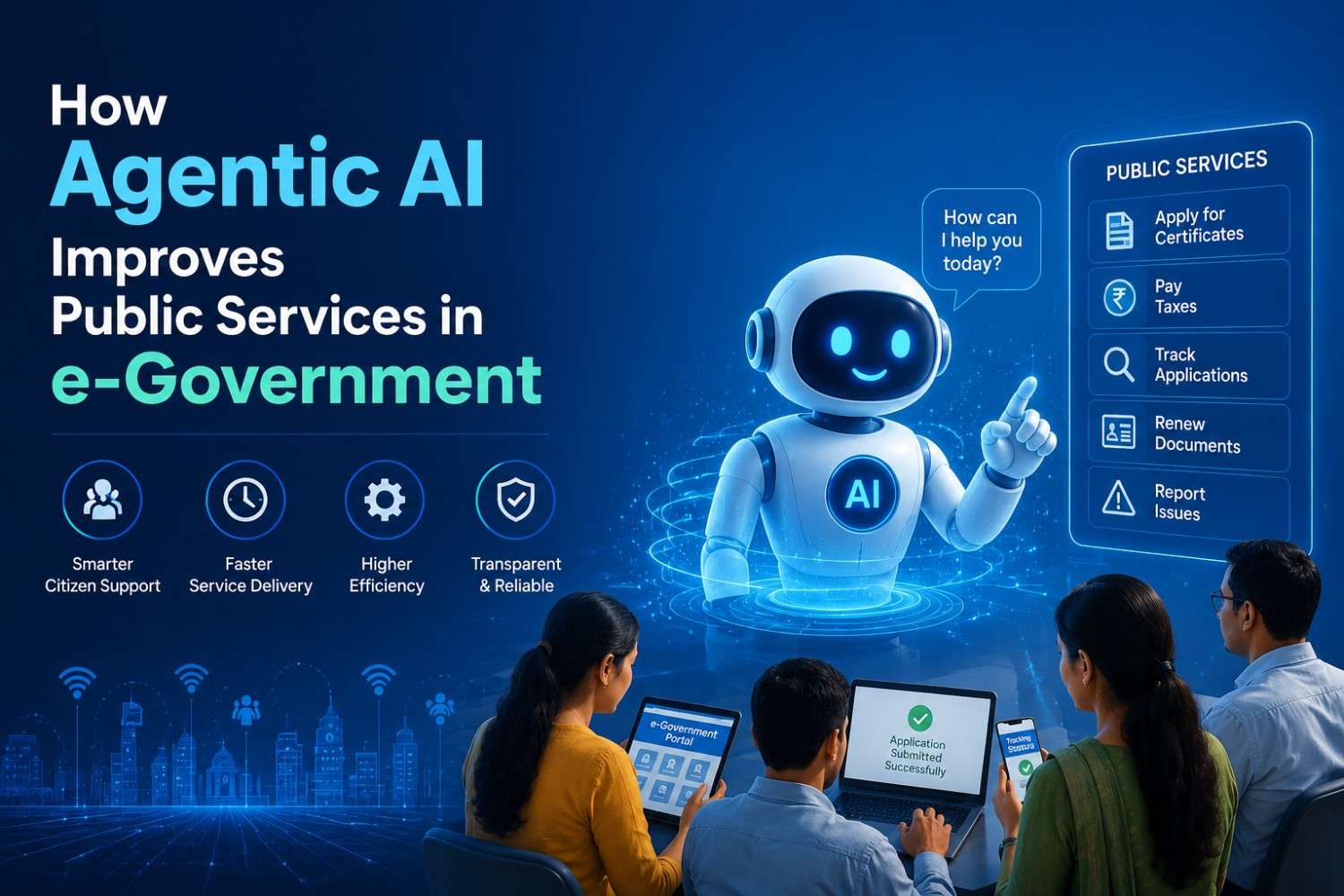
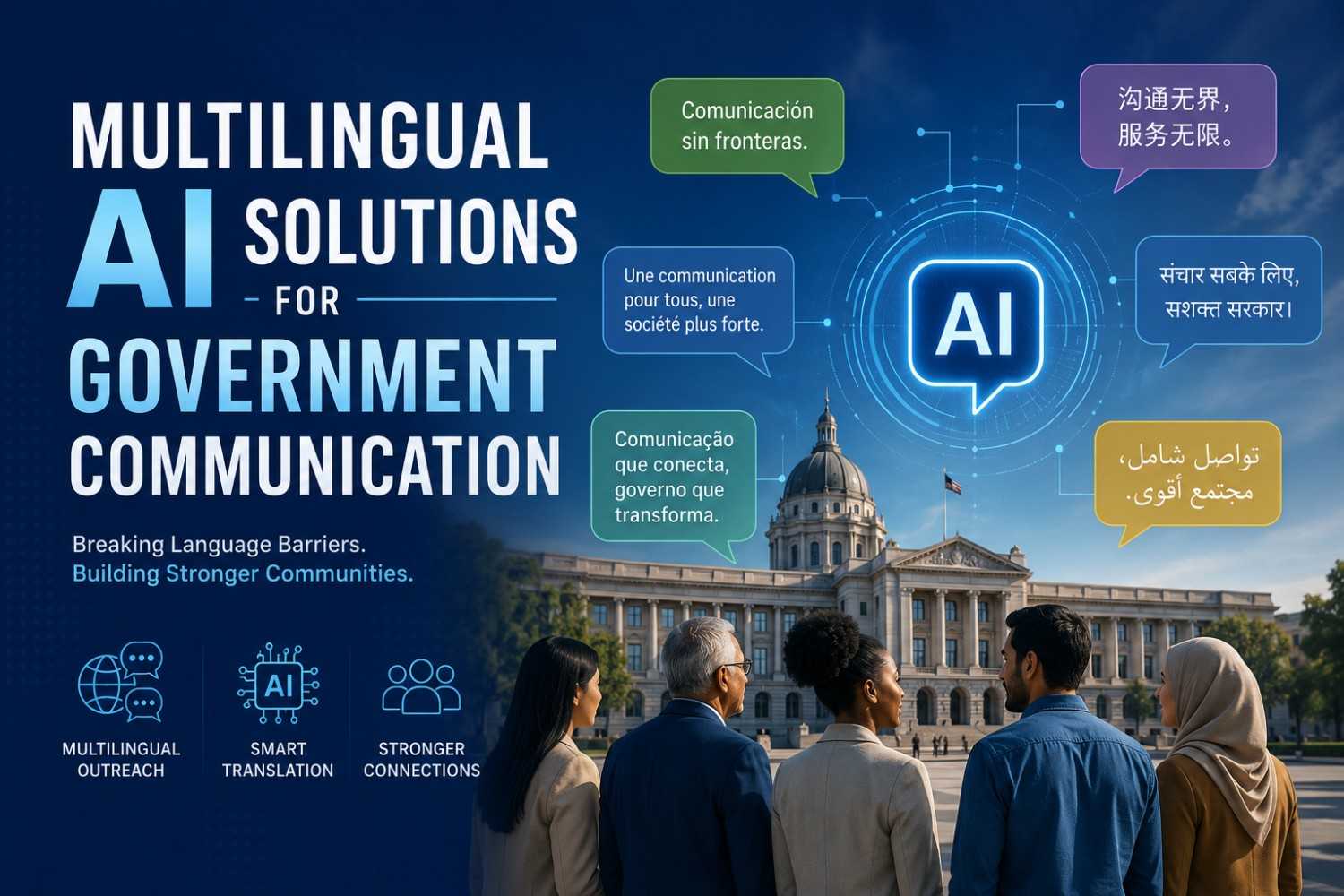
Introduce AI solutions for citizen support, healthcare, taxation, document processing, public grievance management, emergency response, and multilingual government communication to improve operational efficiency and service delivery.
8. Develop AI Skills and Talent
Train government employees, policymakers, and IT professionals in AI technologies, governance, cybersecurity, and responsible AI practices to ensure successful implementation and long-term sustainability.
9. Monitor, Audit, and Improve Continuously
Regularly evaluate AI performance, conduct compliance audits, update security measures, and refine governance policies to adapt to evolving technologies, emerging threats, and changing citizen needs.
A structured Sovereign AI roadmap helps governments build secure, resilient, and future-ready AI ecosystems that protect national interests, strengthen public trust, and deliver smarter, citizen-centric digital services.
How Sovereign AI Strengthens Public Sector Security
Sovereign AI safeguards government data, strengthens cybersecurity, ensures compliance, and enables secure, intelligent public sector operations.
1. Keeps Sensitive Government Data Within National Borders
Data residency is one of the biggest concerns for governments.
Sovereign AI ensures that confidential information remains inside approved government data centers or sovereign cloud environments, reducing the risk of unauthorized foreign access and ensuring compliance with national data protection laws.
This is especially important for:
- National security agencies
- Defense departments
- Intelligence organizations
- Digital identity platforms
- Election commissions
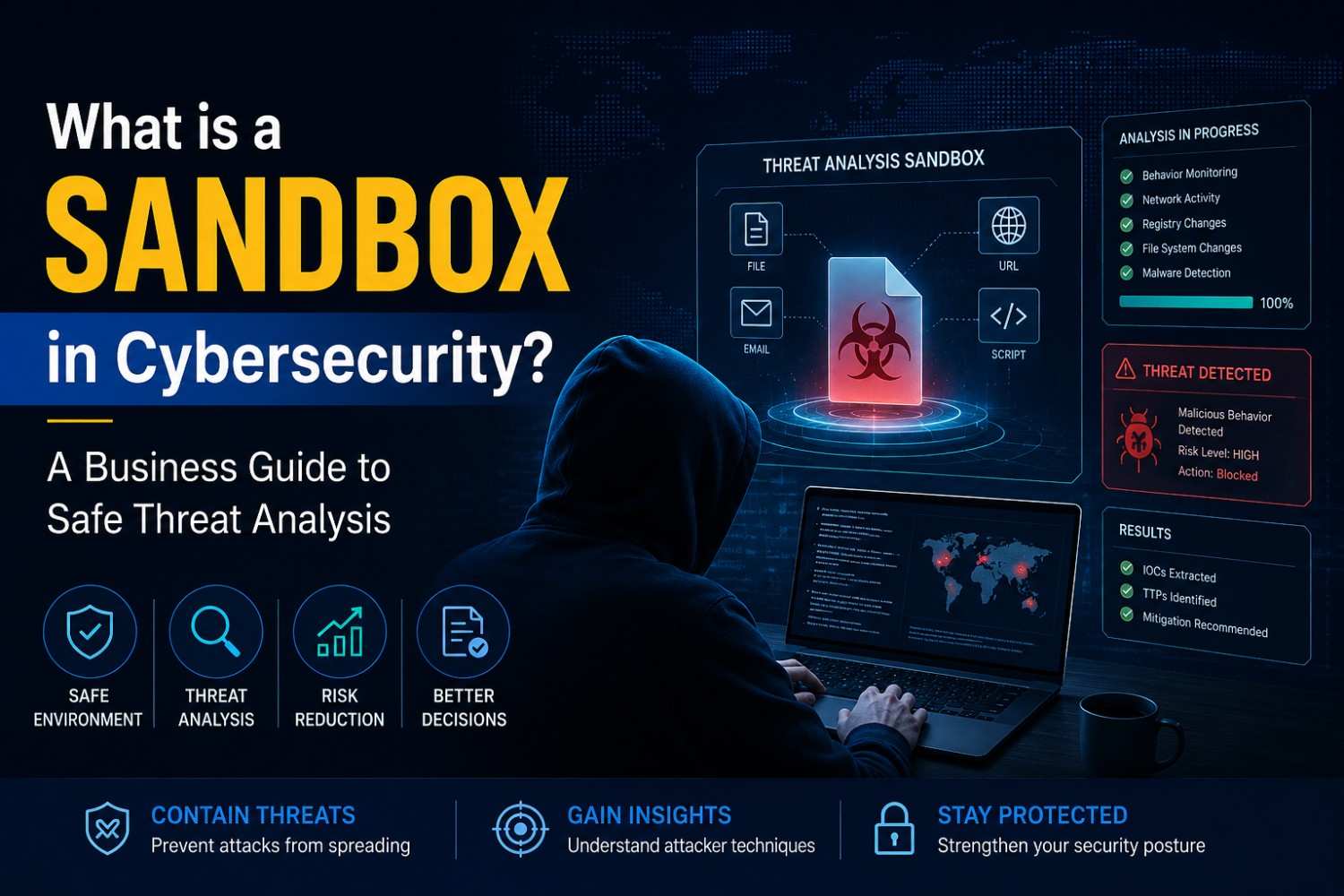
2. Enhances Cybersecurity Through AI-Powered Threat Detection
Modern cyberattacks evolve faster than traditional security tools.
Sovereign AI continuously monitors:
- Network traffic
- User behavior
- Government applications
- API activity
- Critical infrastructure systems
It can identify unusual behaviour in real time, detect potential attacks early, and automate threat responses before systems are compromised.
For example, AI can detect:
- Unauthorized login attempts
- Insider threats
- Malware activity
- Phishing campaigns
- Ransomware behavior
- Data exfiltration attempts
3. Reduces Dependence on Foreign AI Providers
Many governments rely on commercial AI services operated outside their jurisdiction.
This creates several challenges:
- Changing international regulations
- Service availability risks
- Limited visibility into AI models
- Dependency on external vendors
Sovereign AI enables governments to maintain strategic independence by operating their own AI infrastructure, models, and governance frameworks.
4. Protects Critical National Infrastructure
Critical sectors increasingly depend on interconnected digital systems.
These include:
- Power grids
- Water supply systems
- Airports
- Railways
- Emergency services
- Telecommunications
- Smart city platforms
Sovereign AI can monitor these systems continuously, detect anomalies, predict failures, and identify cyber threats before they disrupt essential public services.
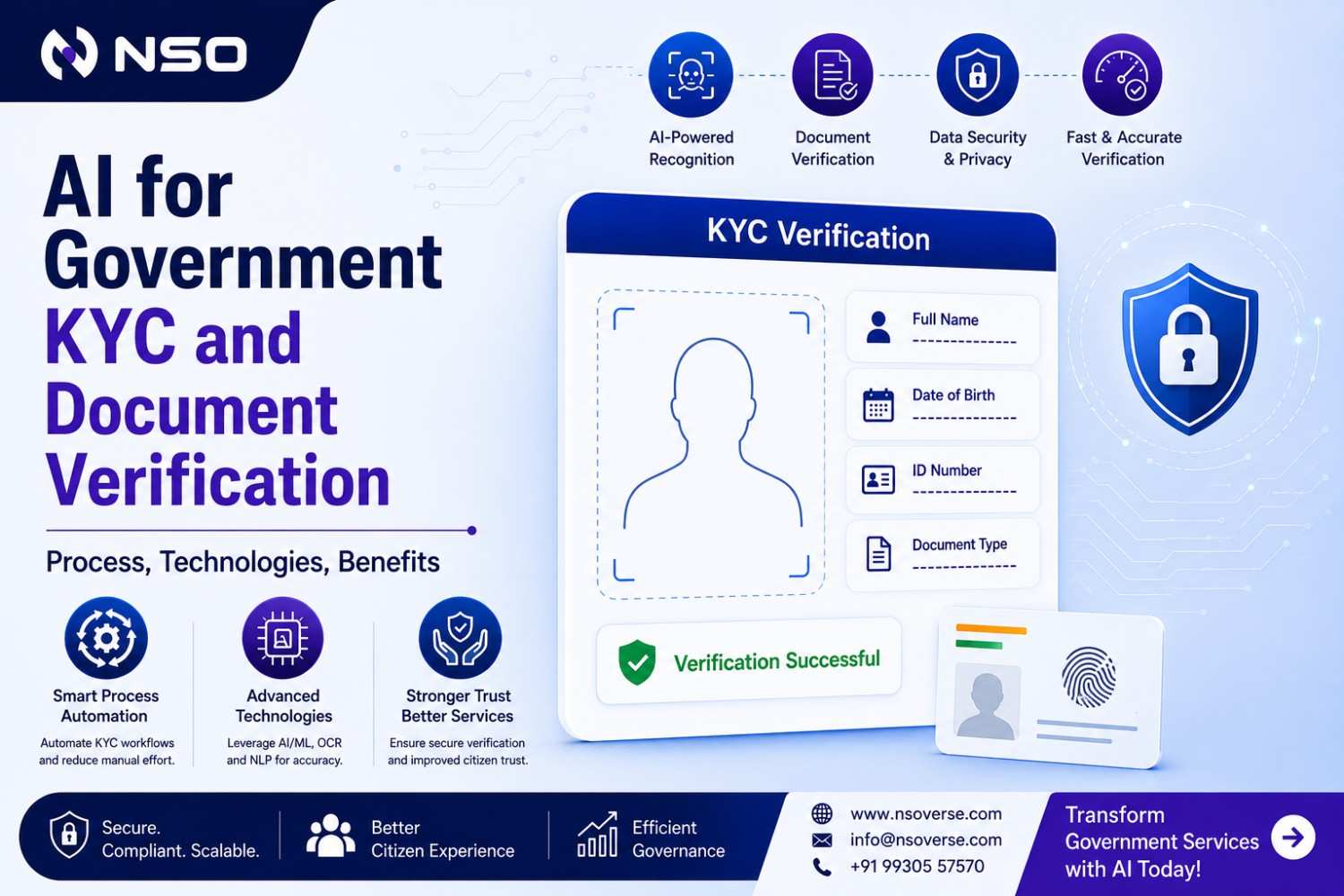
5. Improves Secure Identity Verification
Governments process millions of identity verification requests every year.
Sovereign AI strengthens digital identity systems through:
- Facial recognition
- Biometric verification
- Document authentication
- Fraud detection
- Duplicate identity detection
- Real-time verification
Since all processing remains within government-controlled infrastructure, citizen data receives stronger protection.
6. Enables Secure AI-Assisted Decision Making
Government departments analyze enormous volumes of:
- Policy documents
- Legal regulations
- Intelligence reports
- Citizen feedback
- Financial records
- Administrative files
Sovereign AI helps officials retrieve insights faster without exposing confidential documents to external AI services.
This enables quicker policy analysis while maintaining complete control over sensitive information.
7. Strengthens Compliance and Auditability
Public sector AI must meet strict legal and regulatory requirements.
Sovereign AI platforms provide:
- Complete audit logs
- Transparent AI decisions
- Role-based access controls
- Data lineage tracking
- Compliance reporting
- Secure model governance
These capabilities improve accountability and simplify regulatory audits.
8. Supports Secure Multi-Agency Collaboration
Government departments often need to share intelligence while maintaining strict access controls.
Sovereign AI enables:
- Secure information sharing
- Controlled access permissions
- AI-assisted document classification
- Cross-agency collaboration
- Data masking for sensitive records
This improves operational efficiency without compromising security.
Real-World Public Sector Applications
AI-driven solutions enable governments to streamline operations and improve citizen service delivery.
National Security
AI analyzes intelligence reports, detects cyber threats, and supports strategic decision-making while keeping classified information within sovereign infrastructure.
Digital Citizen Services
Virtual assistants can securely help citizens with:
- Passport services
- Tax inquiries
- Welfare schemes
- Government certificates
- License applications
Without sending personal data to external AI providers.
Healthcare
Government hospitals can use Sovereign AI to:
- Analyze medical records
- Detect disease trends
- Support diagnostics
- Improve resource allocation
While protecting patient confidentiality.
Law Enforcement
Police departments can use Sovereign AI for:
- Crime pattern analysis
- Digital evidence processing
- Video intelligence
- Case prioritization
- Fraud investigation
All within secure government environments.
Key Benefits of Sovereign AI for Public Sector Security
- Protects sensitive government information
- Strengthens national cybersecurity
- Improves regulatory compliance
- Reduces dependence on foreign technology providers
- Enhances transparency in AI-driven decisions
- Supports secure digital governance
- Protects citizen privacy
- Enables faster incident response
- Strengthens resilience against cyberattacks
- Builds long-term digital sovereignty
Challenges Governments Must Address
Implementing Sovereign AI is a long-term strategic investment and comes with several challenges:
Infrastructure Costs
Building secure AI infrastructure requires significant investment in computing resources, secure cloud environments, and high-performance data centers.
Skilled Workforce
Governments need AI engineers, cybersecurity experts, data scientists, and governance specialists to design, deploy, and maintain Sovereign AI systems.
Legacy System Integration
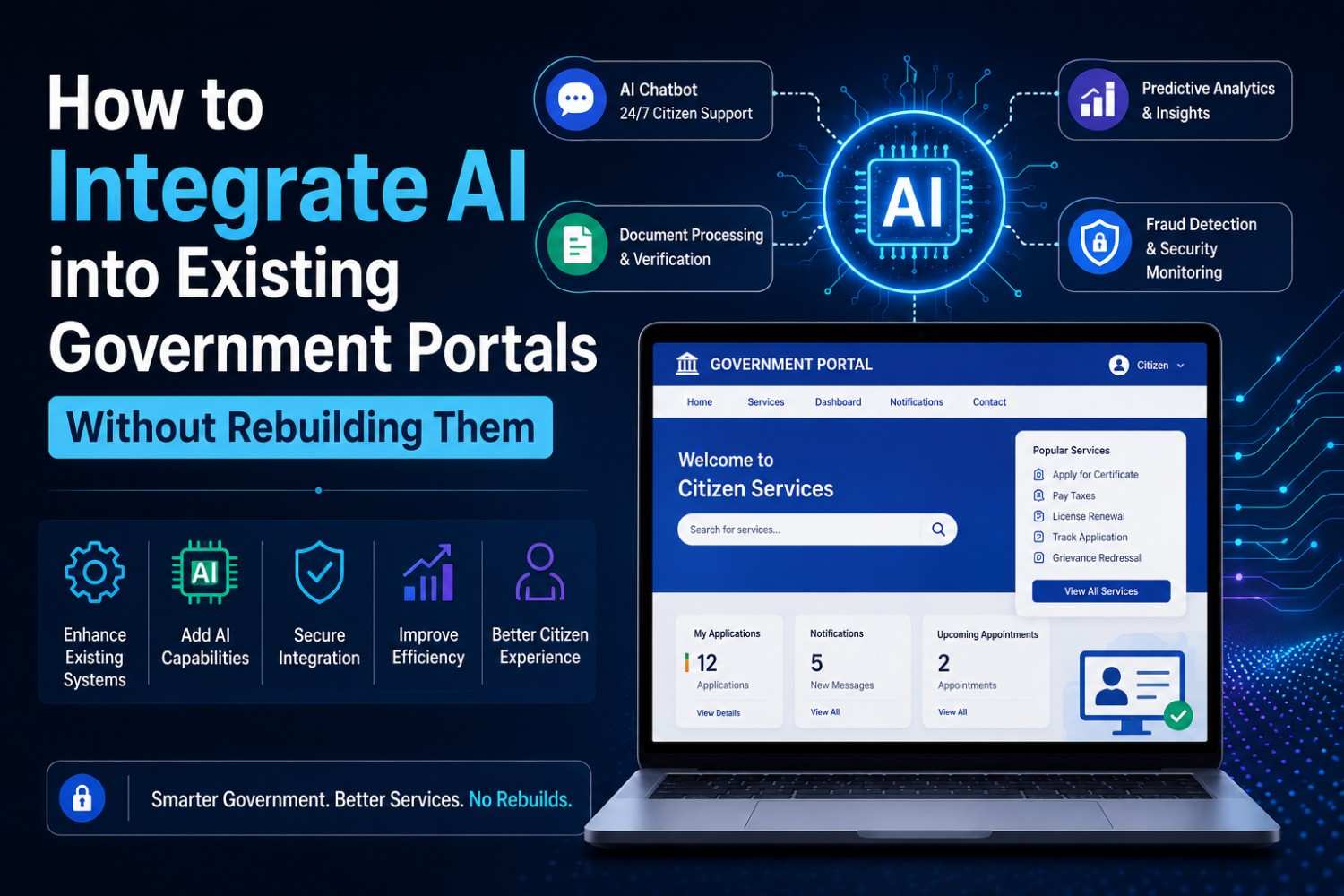
Many public agencies still rely on older IT systems. Integrating these with modern AI platforms requires careful planning to avoid operational disruptions.
AI Governance
Clear policies for model training, data usage, accountability, bias mitigation, and continuous monitoring are essential to ensure responsible AI adoption.
Addressing these challenges through phased implementation and strong governance helps maximize the long-term value of Sovereign AI.
Best Practices for Implementing Sovereign AI Securely
- Build AI infrastructure within national or approved sovereign cloud environments.
- Classify government data before using it for AI training or inference.
- Encrypt data both at rest and in transit.
- Apply Zero Trust security principles across AI systems.
- Implement role-based access controls and continuous monitoring.
- Maintain comprehensive audit trails for AI activities.
- Regularly assess AI models for security vulnerabilities, bias, and performance.
- Develop clear governance frameworks covering data ownership, compliance, and model lifecycle management.
Conclusion
As governments accelerate their digital transformation, choosing the right AI technology partner is just as important as adopting the technology itself. Nova Strategic Operations empowers public sector organizations with secure, scalable, and sovereign AI solutions designed to meet national security, data privacy, and regulatory requirements.
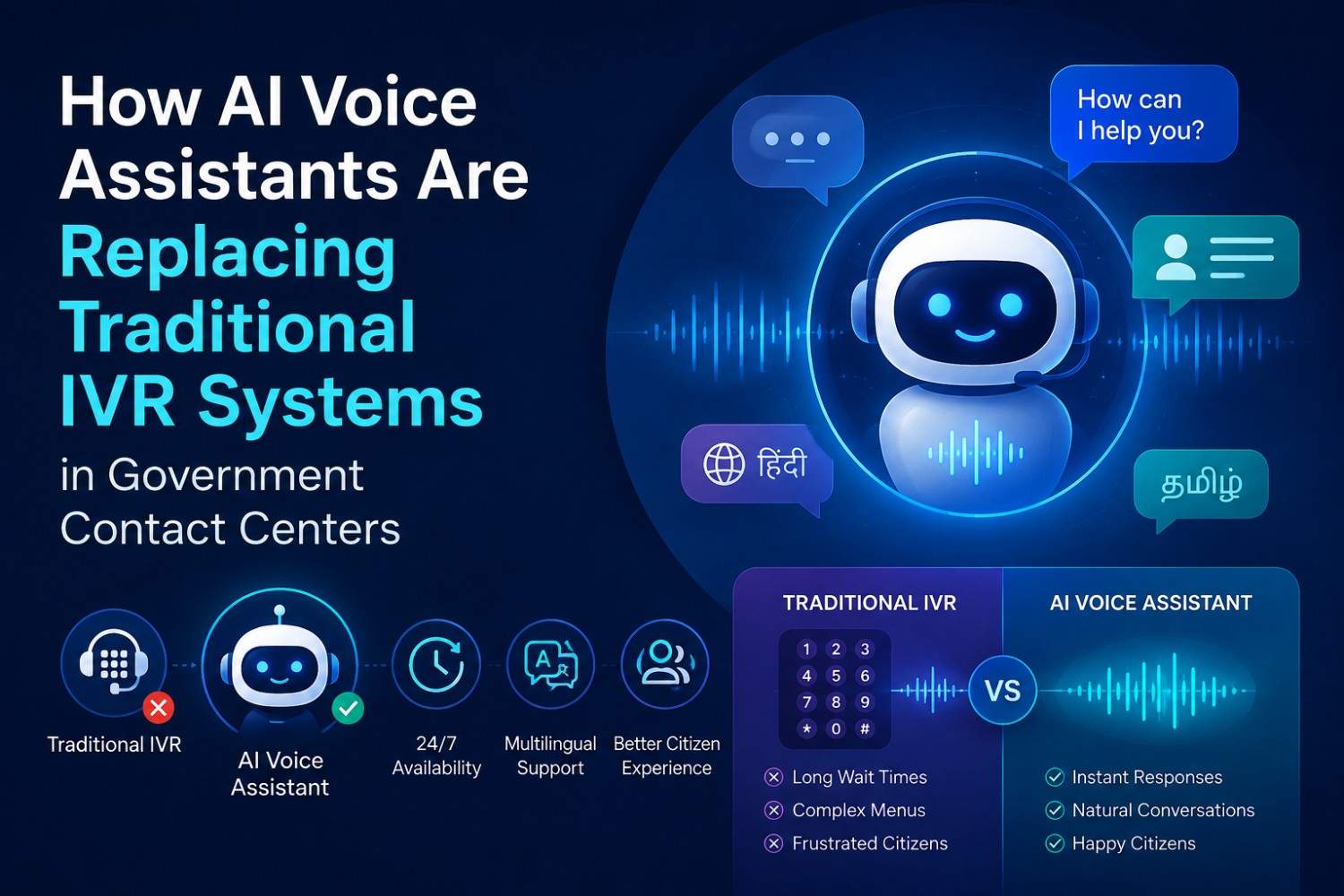
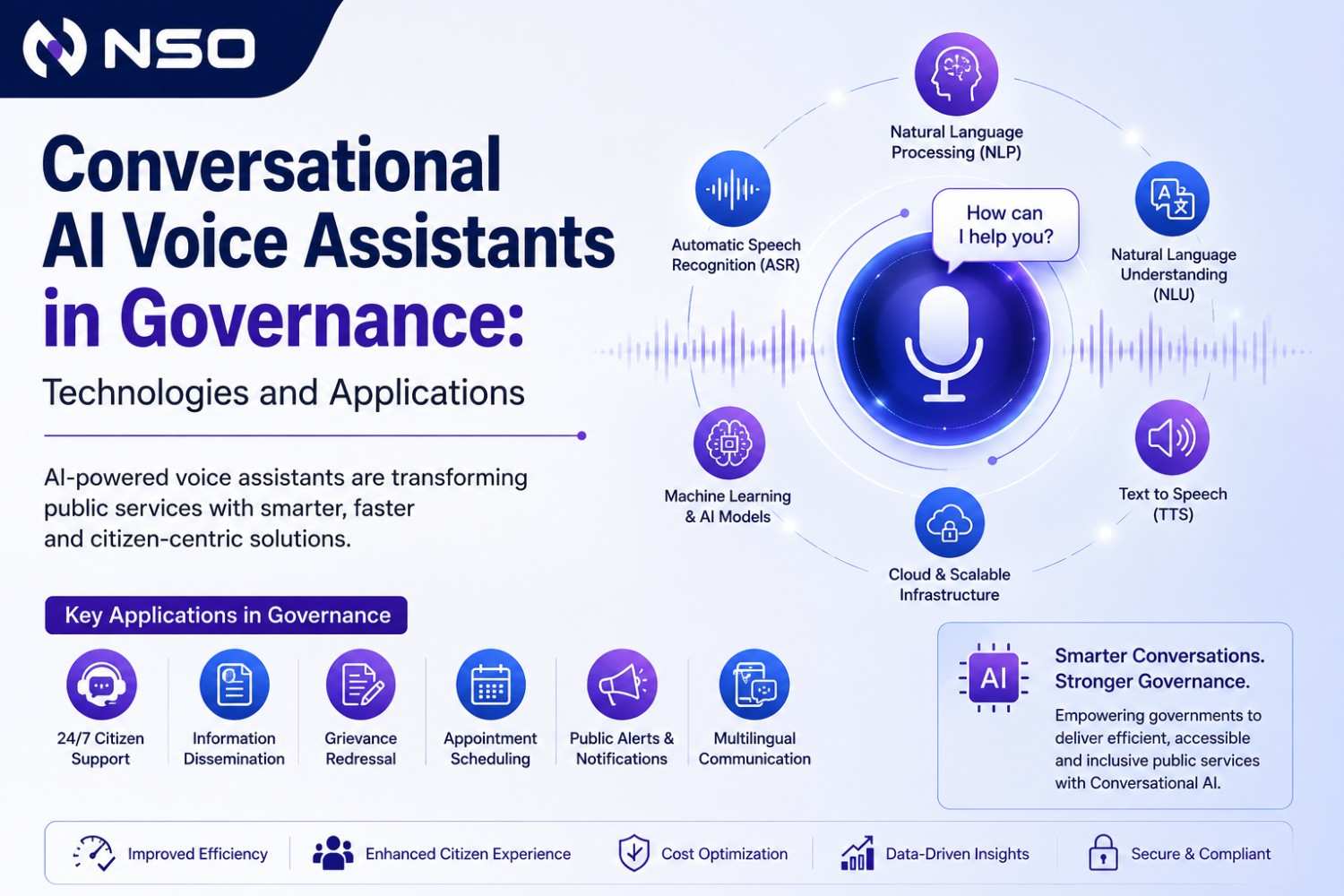
From AI-powered citizen services and multilingual voice assistants to intelligent automation and secure AI infrastructure, NSO helps government agencies modernize operations while maintaining complete control over their data and AI ecosystem.
Ready to build a secure, sovereign AI strategy for your organization? Contact NSO today to discover how our AI solutions can help your agency deliver trusted, compliant, and future-ready public services.
Frequently Asked Questions (FAQs)
1. What is Sovereign AI in the public sector?
Sovereign AI is an AI ecosystem where government data, models, and infrastructure are developed, hosted, and governed within a country's own jurisdiction, ensuring greater control, security, and compliance.
2. Why is Sovereign AI important for public sector security?
It helps protect sensitive government information, reduces dependence on foreign AI providers, supports compliance with national regulations, and strengthens cybersecurity across public services.
3. How does Sovereign AI protect citizen data?
By processing and storing data within government-controlled infrastructure, Sovereign AI minimizes cross-border data transfers, enforces strict access controls, and supports encryption and auditability.
4. Which government sectors benefit the most from Sovereign AI?
Defense, healthcare, law enforcement, digital identity, taxation, judicial services, emergency response, and critical infrastructure management are among the sectors that gain the most from Sovereign AI.
5. What is the difference between Sovereign AI and traditional cloud AI?
Traditional cloud AI may process data on infrastructure operated by external providers, sometimes across different jurisdictions. Sovereign AI keeps infrastructure, data, and governance under national control, providing stronger security and regulatory compliance.
6. Can Sovereign AI improve cybersecurity?
Yes. It can detect threats in real time, monitor networks continuously, identify anomalies, automate incident response, and help protect critical government infrastructure from evolving cyber threats.
7. What are the biggest challenges in implementing Sovereign AI?
Key challenges include infrastructure investment, skilled workforce availability, integrating with legacy government systems, and establishing robust AI governance and security frameworks.
.png)


.png)
.png)
.png)
.png)
_(1).png)
.png)