

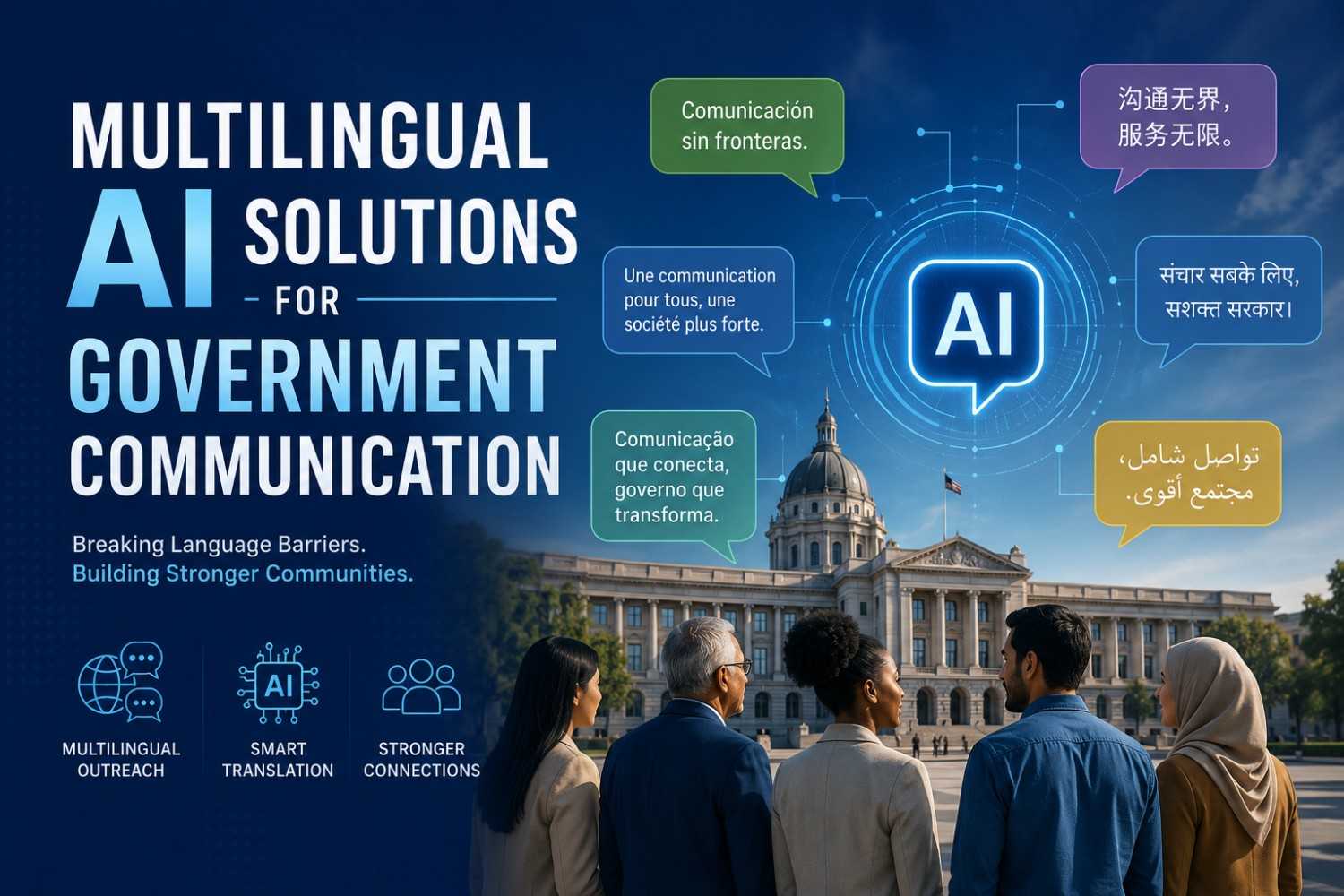

Government agencies serve citizens from diverse linguistic backgrounds. In multilingual countries, providing information in only one language often creates communication gaps, delays, and misunderstandings. Citizens expect government services to be accessible in their preferred language across websites, mobile applications, call centers, public notices, and digital platforms.
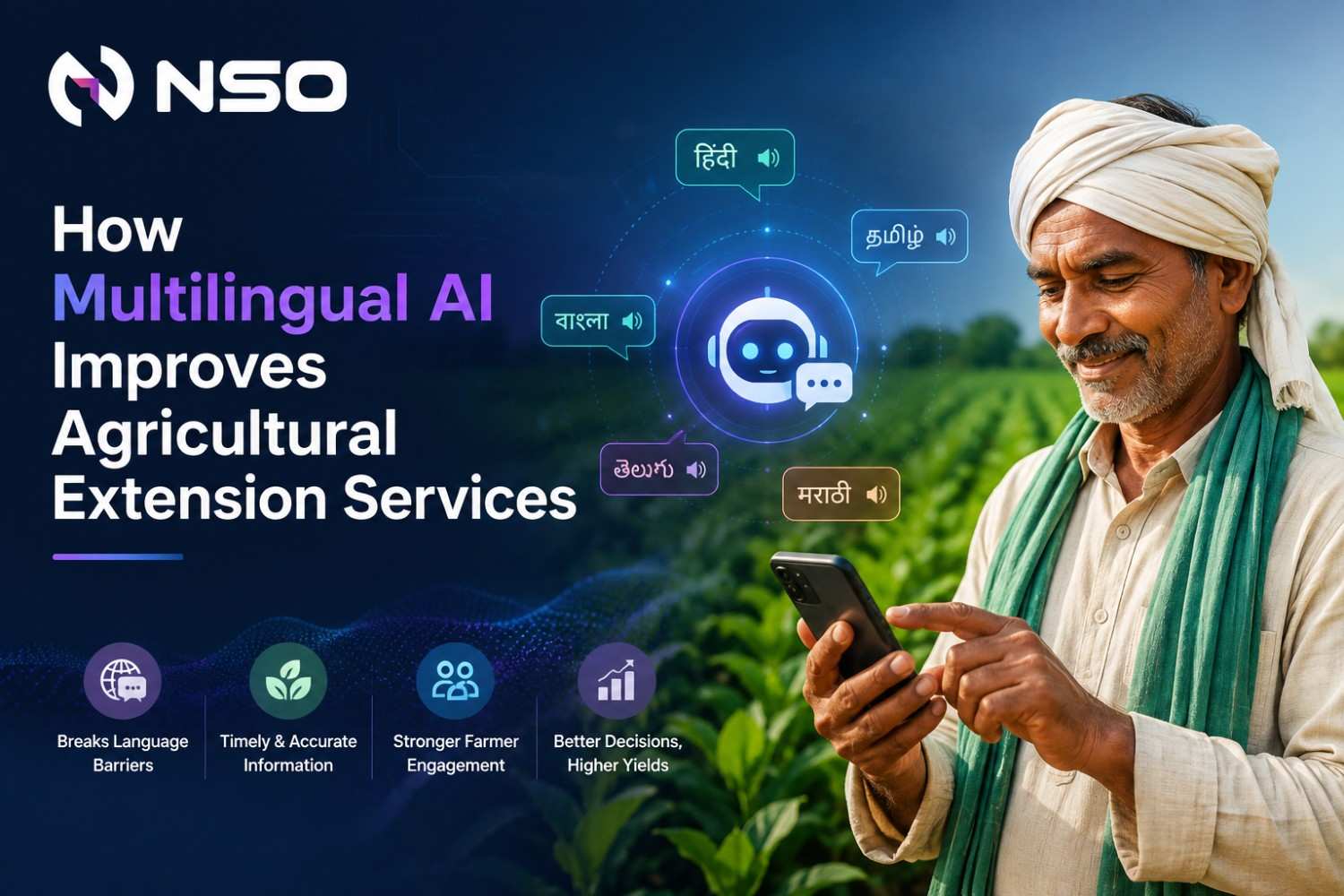
Multilingual AI solutions help governments overcome these challenges by enabling seamless communication across multiple languages using artificial intelligence. From AI-powered translation and voice assistants to multilingual chatbots and speech recognition, these technologies improve citizen engagement while reducing operational costs.
What Are Multilingual AI Solutions?
Multilingual AI solutions use artificial intelligence, natural language processing (NLP), machine learning (ML), automatic speech recognition (ASR), and neural machine translation (NMT) to understand, translate, generate, and respond to content in multiple languages.
These solutions allow government departments to communicate consistently across different regional and international languages without relying solely on manual translation.
Instead of creating separate communication channels for each language, AI enables one intelligent platform that serves citizens in their preferred language.
Why Government Organisations Need Multilingual AI
Government communication must reach every citizen regardless of their language.
Common challenges include:
- Multiple regional and official languages
- Limited human translators
- High translation costs
- Slow response times
- Inconsistent messaging across departments
- Language barriers in emergency communication
- Increasing demand for digital government services
Multilingual AI addresses these issues by automating language processing while maintaining consistency and accuracy.
Key Multilingual AI Solutions for Government Communication
Government agencies use multilingual AI solutions to deliver accurate, inclusive, and efficient communication across diverse languages and communities
1. AI-Powered Language Translation
Government departments regularly publish policies, circulars, public notices, application forms, welfare scheme details, legal documents, and citizen advisories. Translating these materials manually into multiple languages can be time-consuming, expensive, and prone to inconsistencies.
AI-powered language translation automates this process using advanced Natural Language Processing (NLP) and Neural Machine Translation (NMT). It can instantly translate large volumes of content while maintaining consistency in terminology and formatting. Human reviewers can then validate sensitive or legal documents before publication, ensuring both speed and accuracy.
This solution enables governments to communicate with citizens in their preferred language without significantly increasing translation costs or turnaround times.
Common applications include:
- Government websites
- Public notices and announcements
- Welfare scheme information
- Legal and policy documents
- Citizen application forms
- Health and safety advisories
- Tourism and public information portals
Key Benefits
- Faster translation of official documents
- Consistent communication across departments
- Reduced dependency on manual translators
- Lower operational costs
- Improved accessibility for multilingual citizens
2. Multilingual AI Chatbots
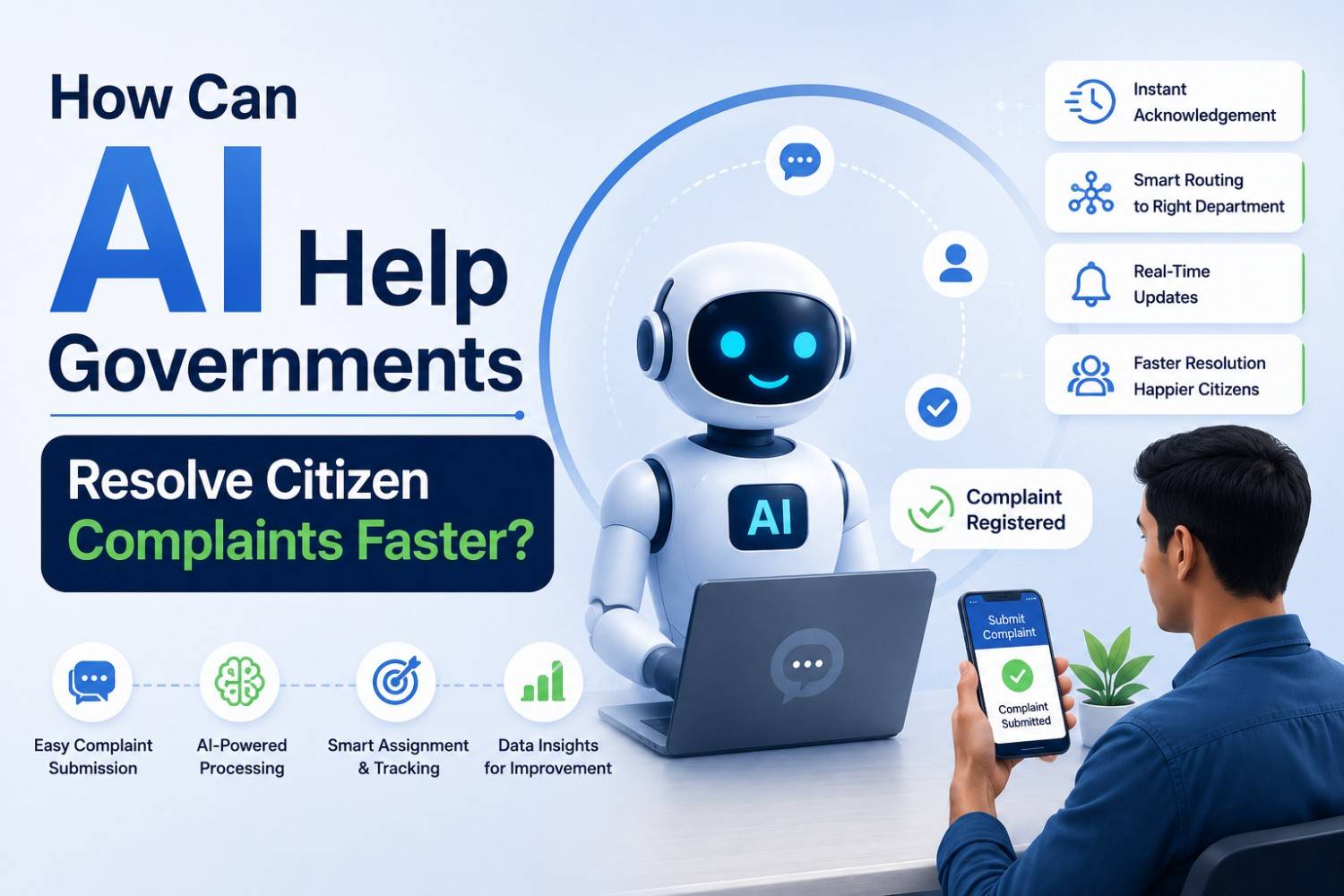
Government offices receive thousands of repetitive inquiries every day regarding taxes, licenses, pensions, public services, healthcare, education, and welfare schemes. Handling these requests manually often leads to long waiting times and increased workload for support teams.
Multilingual AI chatbots provide instant, automated responses in multiple languages through government websites, mobile applications, WhatsApp, and messaging platforms. Citizens can ask questions naturally, and the chatbot understands their language, retrieves relevant information, and guides them through the required process.
The chatbot can also escalate complex issues to human representatives when necessary, creating a seamless citizen support experience.
Common use cases include:
- Public grievance support
- Scheme eligibility inquiries
- Tax information
- Passport services
- Driving license assistance
- Utility bill information
- Complaint registration
- Document status tracking
Key Benefits
- 24/7 citizen suppor
- Reduced call center workload
- Faster issue resolution
- Higher citizen satisfaction
- Consistent responses across all channels
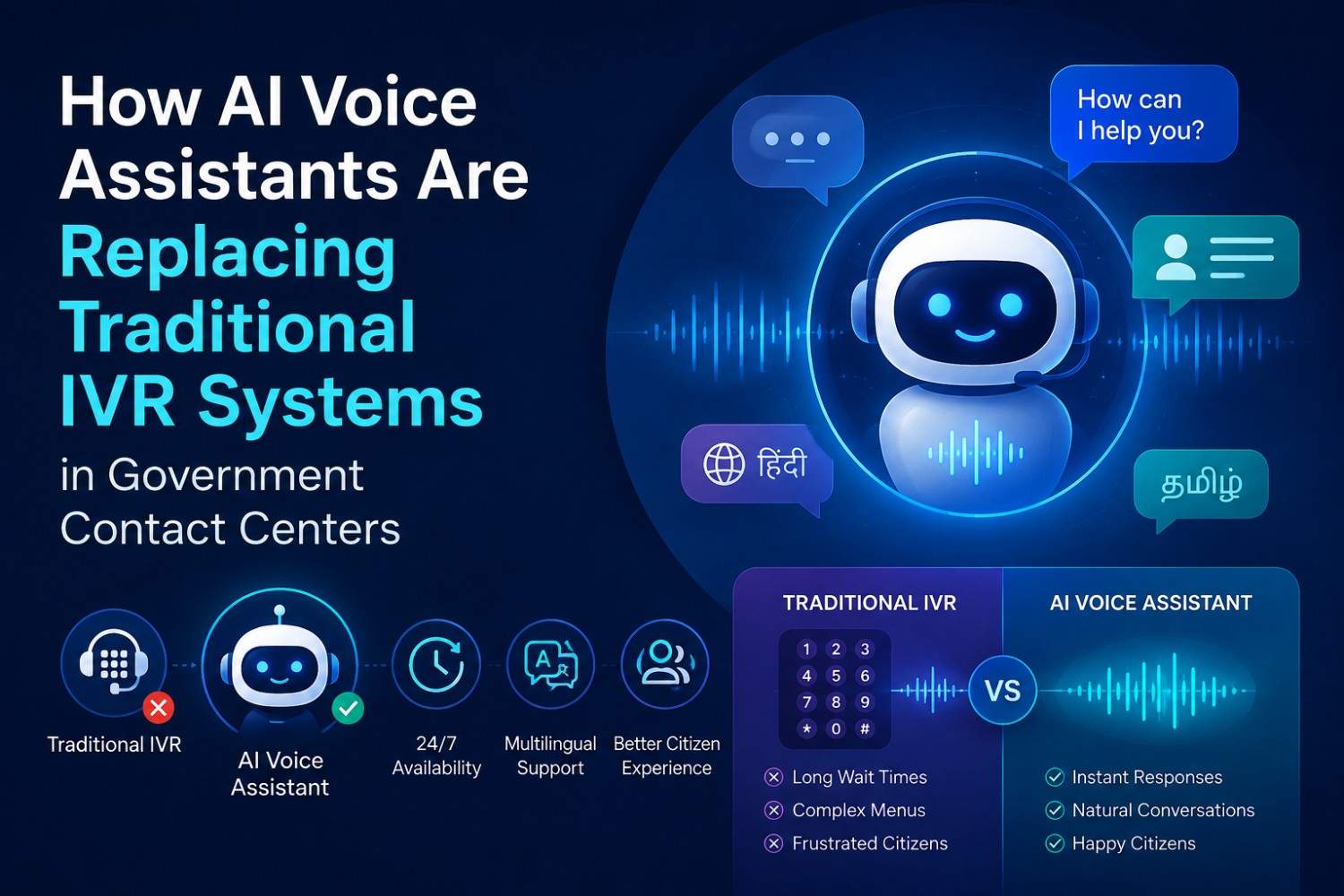
3. AI Voice Bots for Citizen Support
Not every citizen is comfortable using digital forms or typing messages. Elderly citizens, rural populations, and individuals with limited literacy often prefer speaking rather than typing.
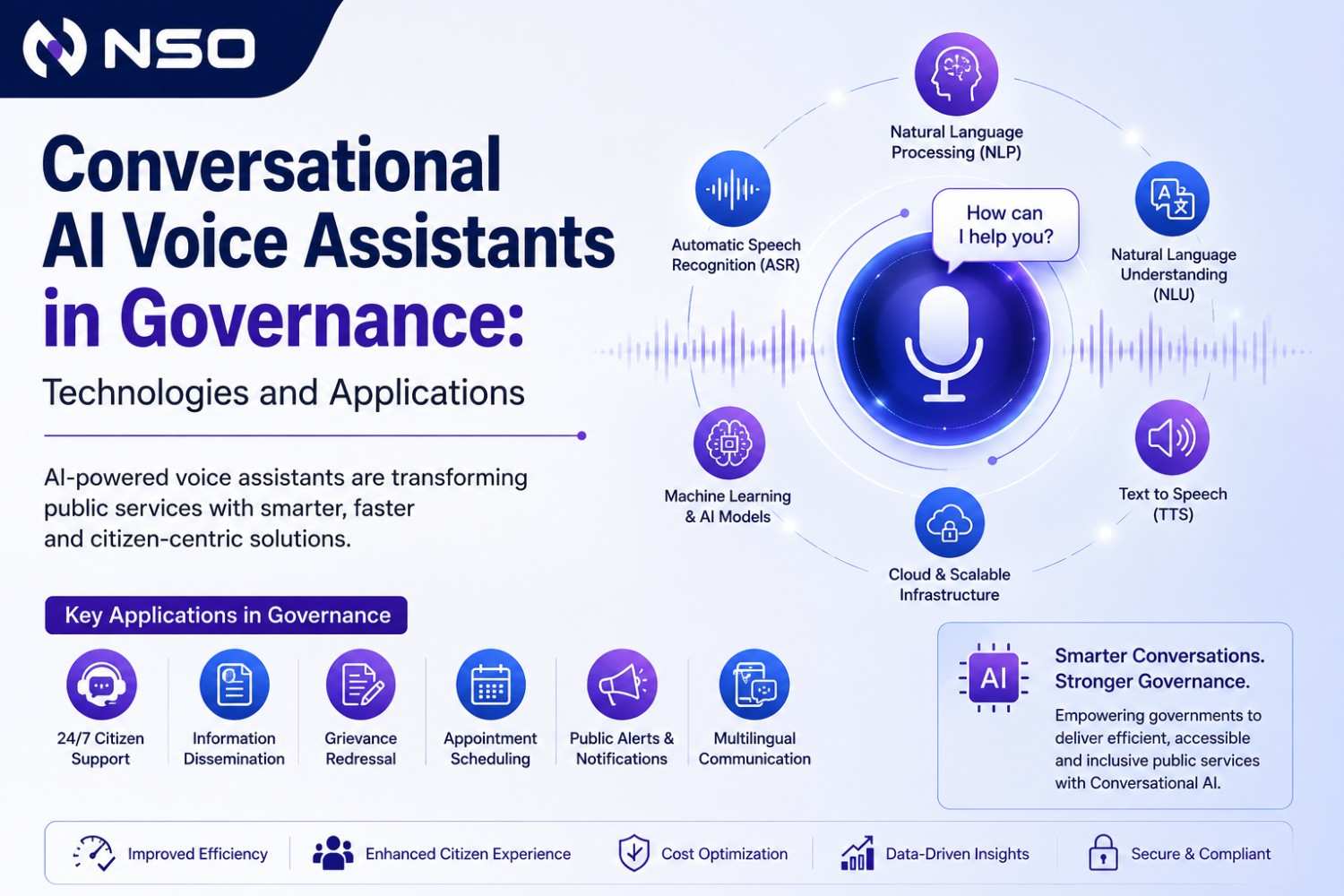
AI-powered multilingual voice bots enable citizens to interact naturally over phone calls or voice-enabled applications. These systems understand spoken language, identify user intent, and provide accurate responses in regional and national languages.
Voice bots can also authenticate users, guide them through government services, book appointments, and transfer calls to human agents when required.
Typical applications include:
- Government helplines
- Healthcare support lines
- Emergency assistance
- Municipal services
- Appointment scheduling
- Citizen complaint systems
- Welfare scheme assistance
Key Benefits
- Natural voice interaction
- Better accessibility for all citizens
- Reduced call waiting times
- Lower operational costs
- Improved service availability
4. AI Document Translation Automation
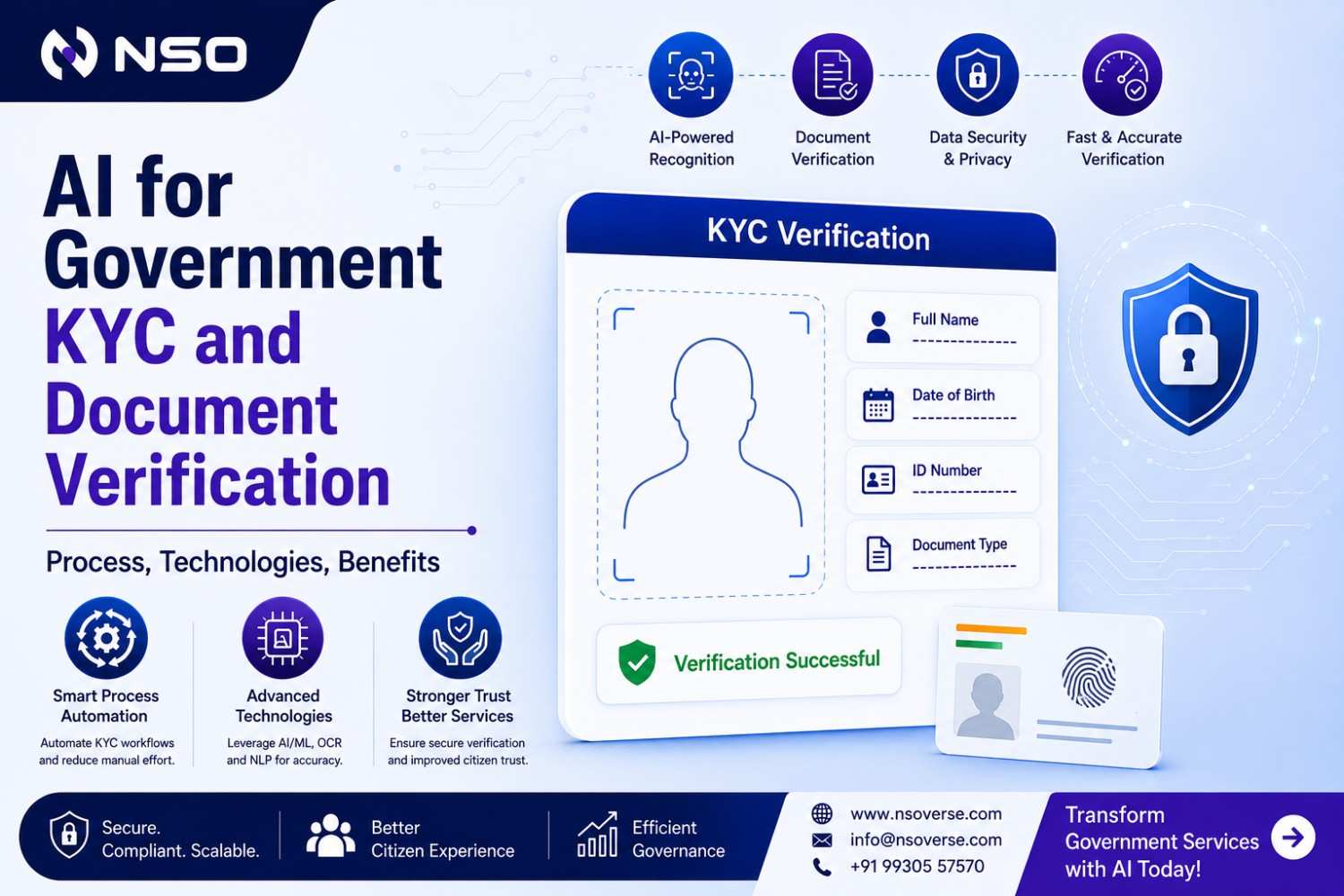
Government agencies process thousands of documents every day, including certificates, applications, approvals, licenses, reports, and legal records. Manual translation often slows down administrative processes.
AI document translation automatically detects document language, translates the content into the required language, and preserves formatting wherever possible. Integration with document management systems further streamlines processing workflows.
Sensitive documents can also follow a human review process before final approval.
Suitable for translating:
- Birth certificates
- Land records
- Legal documents
- Tax forms
- Citizen applications
- Administrative reports
- Internal communications
Key Benefits
- Faster document processing
- Increased administrative efficiency
- Reduced translation costs
- Consistent terminology
- Scalable operations
5. Multilingual Virtual Assistants
Unlike traditional chatbots that answer predefined questions, multilingual AI virtual assistants provide conversational support throughout a citizen's journey.
They can guide users step by step while applying for licenses, registering complaints, submitting applications, checking eligibility for welfare schemes, or accessing government services.
These assistants learn from interactions and continuously improve the quality of their responses over time.
Common use cases include:
- Digital government portals
- Mobile government applications
- Self-service kiosks
- Smart city platforms
- Public information centers
Key Benefits
- Personalized citizen assistance
- Faster service completion
- Improved user experience
- Reduced dependency on support staff
- Higher adoption of digital services
6. AI Email and Communication Translation
Government departments communicate daily through emails, SMS messages, notifications, newsletters, and official correspondence. Maintaining multilingual communication manually can delay responses and increase operational costs.
AI automatically translates outgoing and incoming communications into multiple languages while preserving the intended meaning and tone. This ensures that citizens receive timely and understandable information regardless of their preferred language.
Applications include:
- Citizen notifications
- Email communication
- SMS alerts
- Public awareness campaigns
- Emergency notifications
- Internal departmental communication
Key Benefits
- Faster communication
- Improved multilingual engagement
- Consistent messaging
- Reduced manual workload
- Better response times
7. Multilingual Knowledge Management
Government departments manage extensive knowledge repositories containing policies, standard operating procedures (SOPs), citizen service manuals, FAQs, regulations, and internal guidelines. Employees often struggle to quickly locate the right information, especially when content is available in multiple languages.
AI-powered multilingual knowledge management systems organize, categorize, translate, and retrieve information efficiently. Staff members and citizens can search using natural language queries in their preferred language and instantly access the most relevant documents or answers.
These systems also integrate with virtual assistants and AI chatbots for Governance, ensuring consistent and accurate information is delivered across every communication channel.
Typical knowledge sources include:
- Government policies and regulations
- Standard operating procedures
- Citizen service manuals
- Departmental guidelines
- Public FAQs
- Internal documentation
- Training materials
- Legal references
Key Benefits
- Centralized multilingual information repository
- Faster access to accurate information
- Improved employee productivity
- Consistent responses across departments
- Better knowledge sharing and collaboration
Benefits of Multilingual AI for Government Communication
As governments continue to expand digital services, communicating effectively with citizens in multiple languages has become essential.
Improved Citizen Accessibility
Multilingual AI allows citizens to access government information, services, and support in their preferred language, making public services easier to understand and use. It removes language barriers and ensures equal access for diverse communities, including rural populations and non-native speakers.
Faster Public Service Delivery
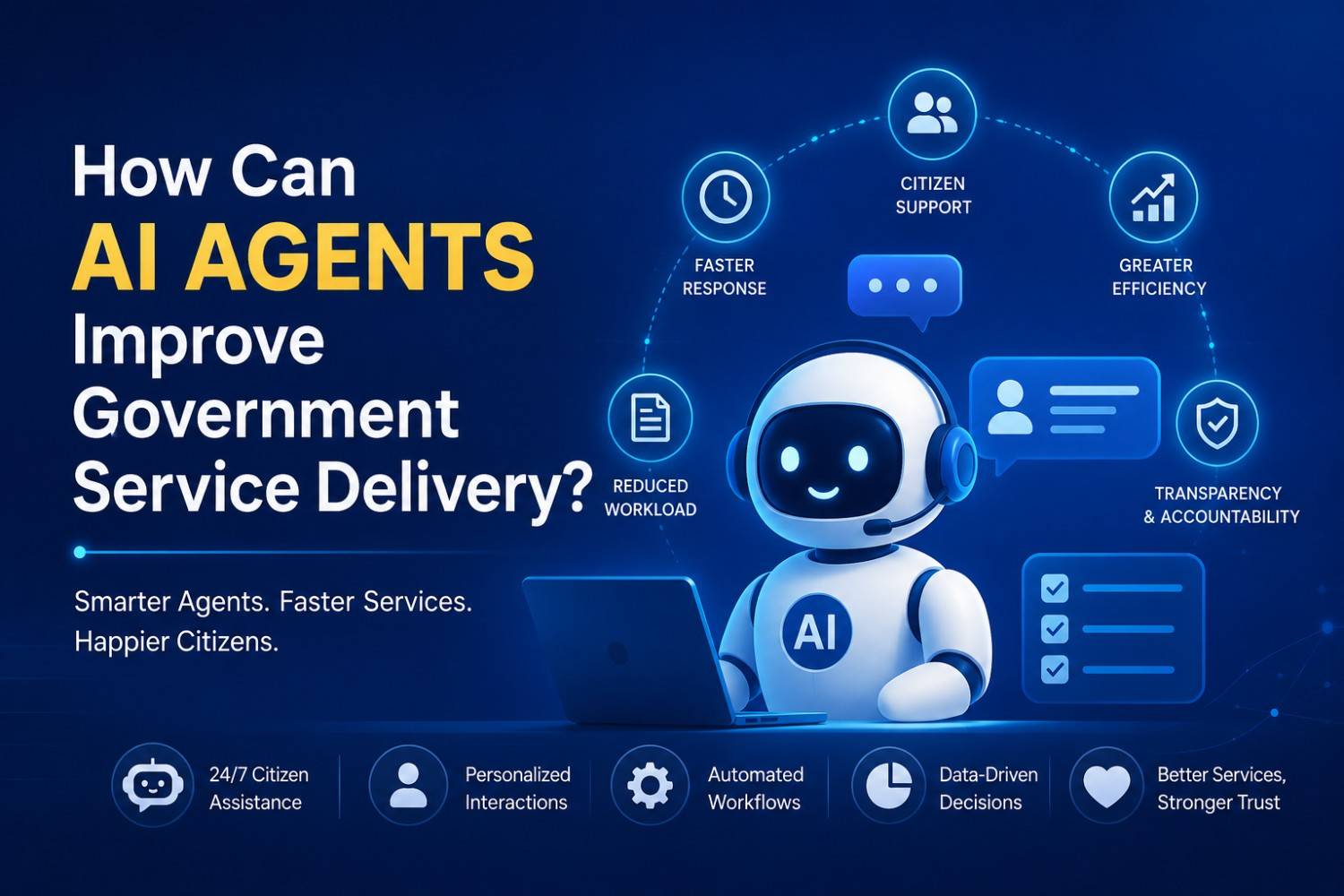
AI automates repetitive communication tasks such as translating documents, answering FAQs, and handling citizen inquiries through chatbots and voice assistants. This reduces response times and enables government departments to deliver services more quickly and efficiently.
Better Citizen Engagement
Citizens are more likely to participate in government programs and use digital services when information is available in their native language. Personalized multilingual communication improves trust, increases engagement, and enhances the overall citizen experience.
Higher Operational Efficiency
Multilingual AI automates routine administrative tasks, allowing government employees to focus on policy implementation and complex citizen requests. This improves productivity, streamlines workflows, and enhances operational efficiency across departments.
Inclusive Digital Governance
AI-powered multilingual communication ensures that every citizen can access digital government services regardless of their language or location. This promotes inclusive governance by making public services more accessible and equitable for all communities.
Consistent Communication Across Departments
Multilingual AI maintains consistent terminology and messaging across government websites, portals, notifications, and official documents. This reduces translation errors, improves transparency, and ensures citizens receive accurate information from every department.
Enhanced Emergency Communication
During emergencies, multilingual AI instantly translates and distributes critical alerts, safety instructions, and public announcements across multiple languages. This helps governments reach diverse communities quickly, improving public awareness and emergency response effectiveness.
Conclusion
Multilingual AI solutions are transforming government communication by enabling faster, more inclusive, and highly efficient interactions with citizens. Whether through AI-powered translation, multilingual chatbots, voice assistants for Governance, speech recognition, or automated document processing, these technologies help governments deliver services in multiple languages while improving operational efficiency, service accessibility, and citizen satisfaction.
As governments continue to expand digital public services, investing in multilingual AI solutions helps build secure, scalable, and citizen-centric communication systems that serve diverse communities effectively. NSO provides advanced multilingual AI solutions tailored for government organizations, helping them enhance citizen engagement, streamline communication, and accelerate digital transformation.
Looking to modernize government communication with multilingual AI? Contact NSO today to discover how our AI-powered solutions can help your organization deliver faster, smarter, and more inclusive public services.
Frequently Asked Questions
1. What are multilingual AI solutions for government communication?
Multilingual AI solutions use artificial intelligence to communicate with citizens in multiple languages through chatbots, voice agents, automated translations, and virtual assistants.
2. How do AI chatbots improve government services?
AI chatbots provide instant responses to citizen queries, reduce waiting times, automate routine interactions, and offer 24/7 support across multiple languages.
3. Can multilingual AI support regional languages?
Yes. Modern AI platforms can support multiple regional, national, and international languages, helping governments serve diverse populations more effectively.
4. Which government departments can benefit from multilingual AI?
Departments such as healthcare, education, taxation, municipal services, transportation, public safety, social welfare, tourism, and citizen service centers can all benefit from multilingual AI solutions.
5. Are multilingual AI solutions secure for government organizations?
Enterprise-grade AI platforms include robust security features such as encryption, access controls, audit logs, and compliance with government data protection standards to safeguard sensitive information.
.png)
.png)
.png)
.png)
.png)
_(1).png)
.png)