

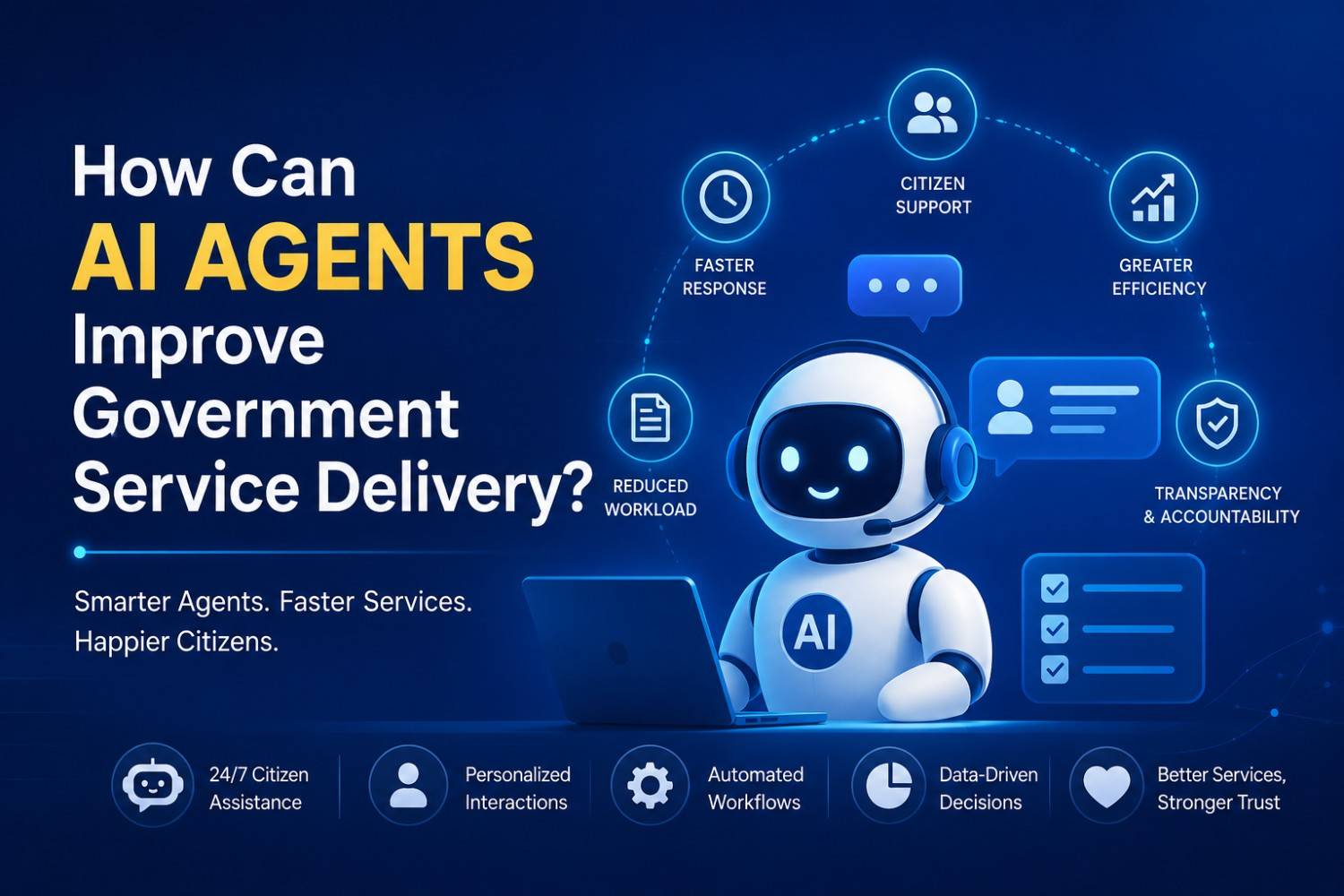

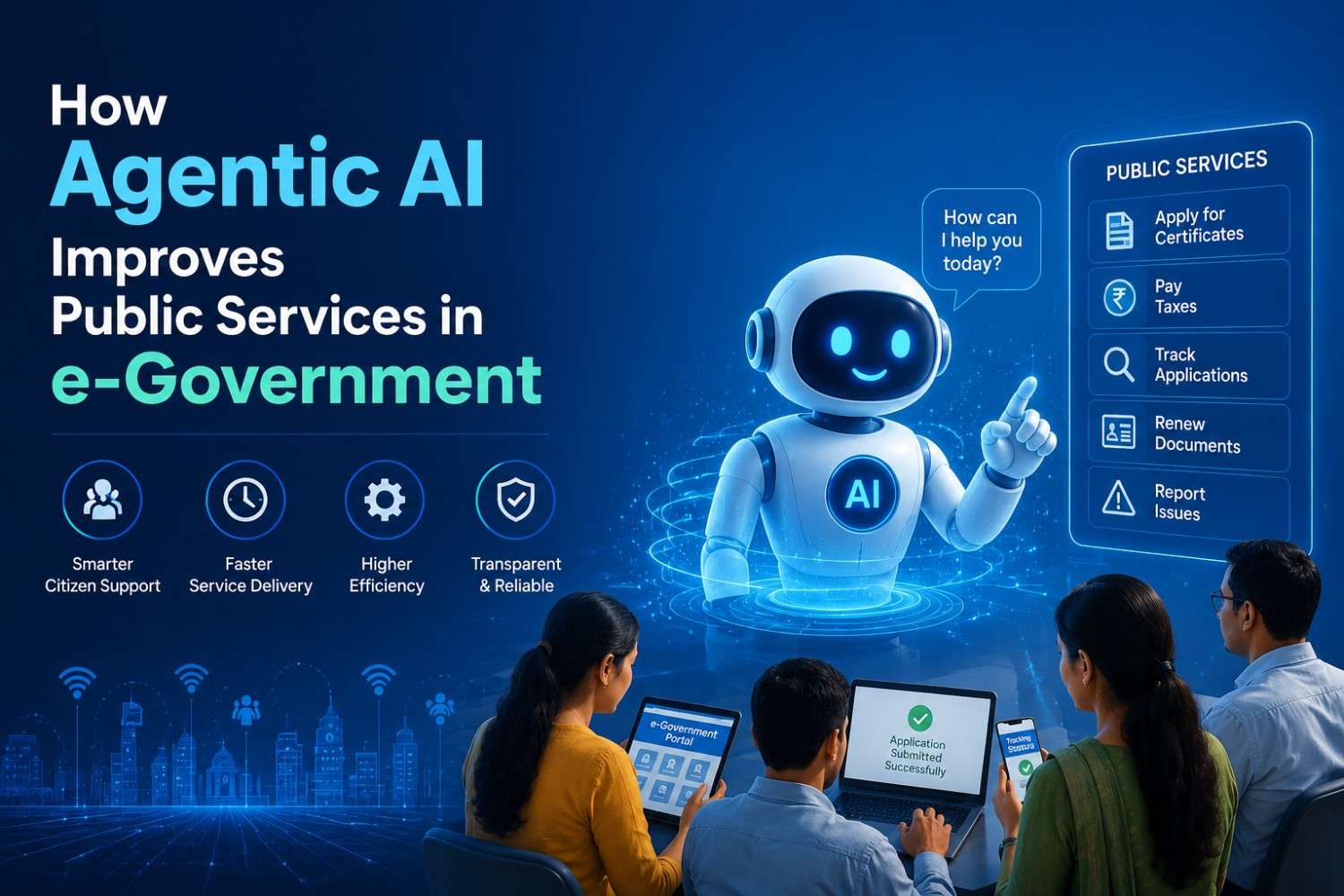
Imagine applying for a government scheme at 11:30 PM and receiving instant assistance instead of waiting until the next working day. An AI agent can verify documents, answer questions in your preferred language, guide you through the next steps, and update your application status within minutes.
Citizens today expect government services to be as fast and accessible as other digital experiences. Long processing times, manual paperwork, and delayed responses can reduce trust and prevent people from accessing essential services when they need them most.
AI agents are helping governments meet these growing expectations by providing 24/7 support, automating repetitive administrative tasks, reducing processing delays, and improving service accuracy. This allows government employees to focus on complex cases while citizens receive faster, more transparent, and more reliable services.
As demand for public services continues to rise, adopting AI agents is becoming essential for governments that want to deliver efficient, citizen-centric digital experiences and build greater public trust.
Why Government Service Delivery Needs AI Agents
Government departments manage thousands or even millions of daily citizen interactions. These include:
- Welfare applications
- Tax services
- Land records
- Public grievance management
- Licensing
- Passport services
- Pension requests
- Utility services
- Municipal permits
- Healthcare schemes
Many of these services still rely on manual verification, multiple approvals, paper-based workflows, and disconnected software systems. As demand increases, processing times often become longer, leading to citizen dissatisfaction and administrative bottlenecks.
AI agents help address these challenges by coordinating tasks across digital systems, automating routine work, and delivering faster responses without compromising governance standards.
How AI Agents Improve Government Service Delivery
Growing citizen expectations require governments to modernize operations through intelligent automation and digital assistance.
1. Intelligent Citizen Assistance Beyond Basic Chatbots
Most government portals provide static FAQs or basic chatbots that answer only limited questions.
AI agents deliver far more contextual assistance by understanding intent and maintaining conversation history.
For example, a citizen might ask:
"I recently changed my address. How do I update my voter ID and ration card?"
Instead of providing separate links, the AI agent can:
- Identify applicable services
- Explain the required documents
- Guide the user through each process
- Generate application checklists
- Track submission progress
This significantly reduces confusion and improves the citizen experience.
2. Automated Application Processing
Government applications often require multiple manual verification steps before reaching an officer.
AI agents can automatically:
- Validate application forms
- Detect incomplete submissions
- Verify mandatory documents
- Cross-check applicant information
- Identify duplicate applications
- Route requests to the correct department
Officers receive only verified applications, reducing administrative workload and accelerating approvals.
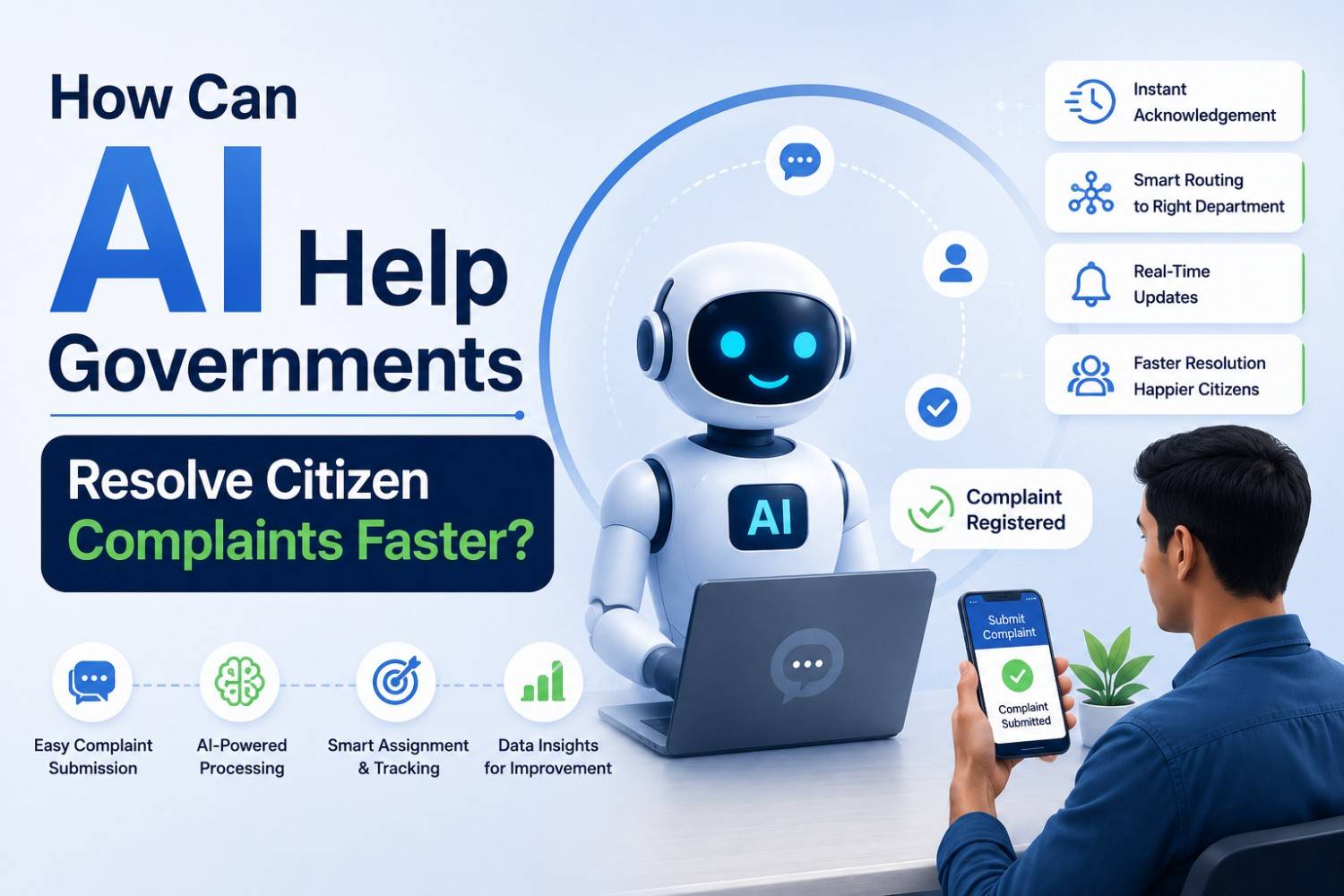
3. Faster Public Grievance Resolution
Citizen complaints frequently move through multiple departments before action is taken.
AI agents streamline grievance management by:
- Understanding complaint categories
- Assigning tickets to the correct department
- Prioritizing urgent cases
- Monitoring response deadlines
- Sending automated status updates
- Escalating unresolved complaints
This creates a more transparent grievance resolution process while reducing manual coordination.
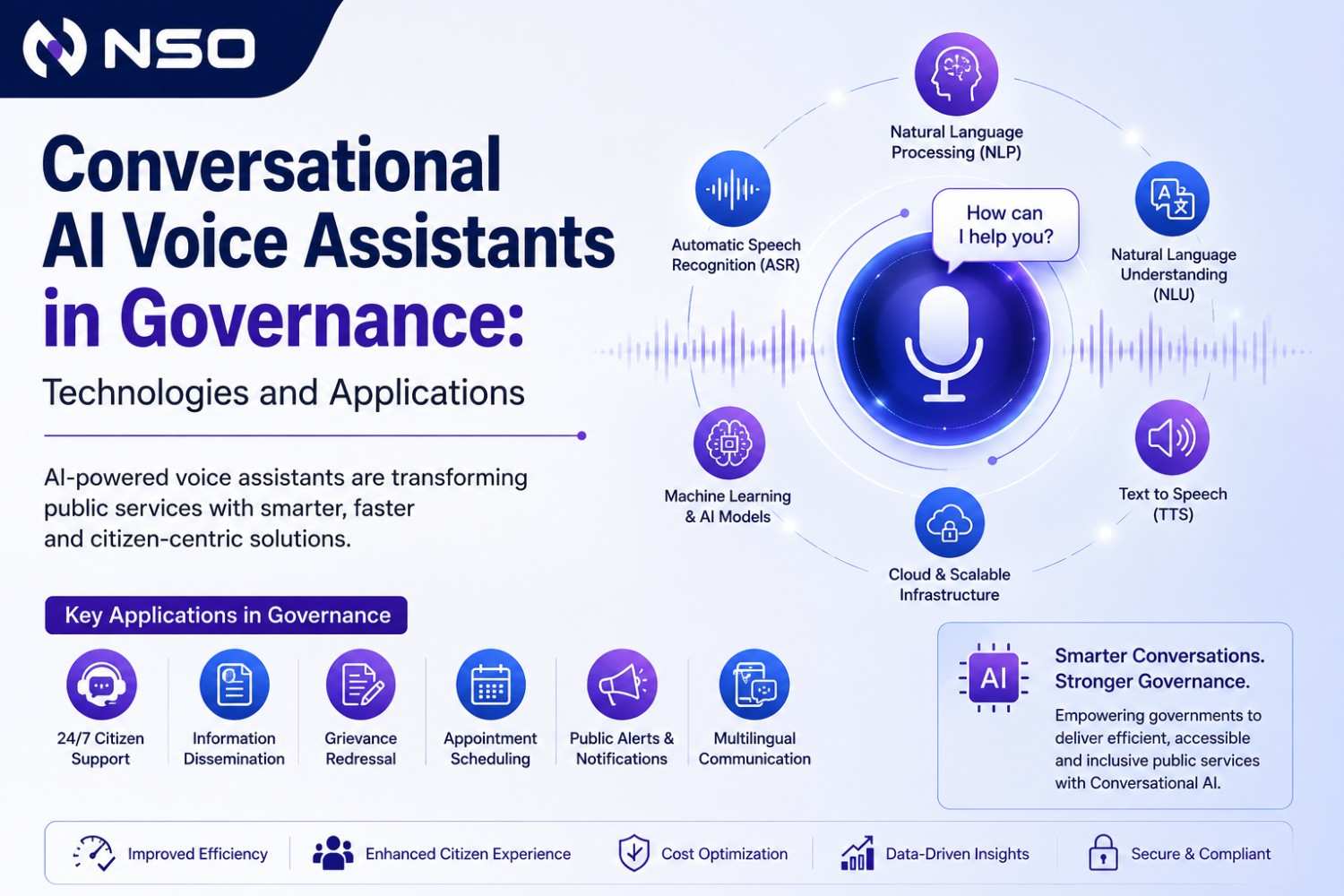
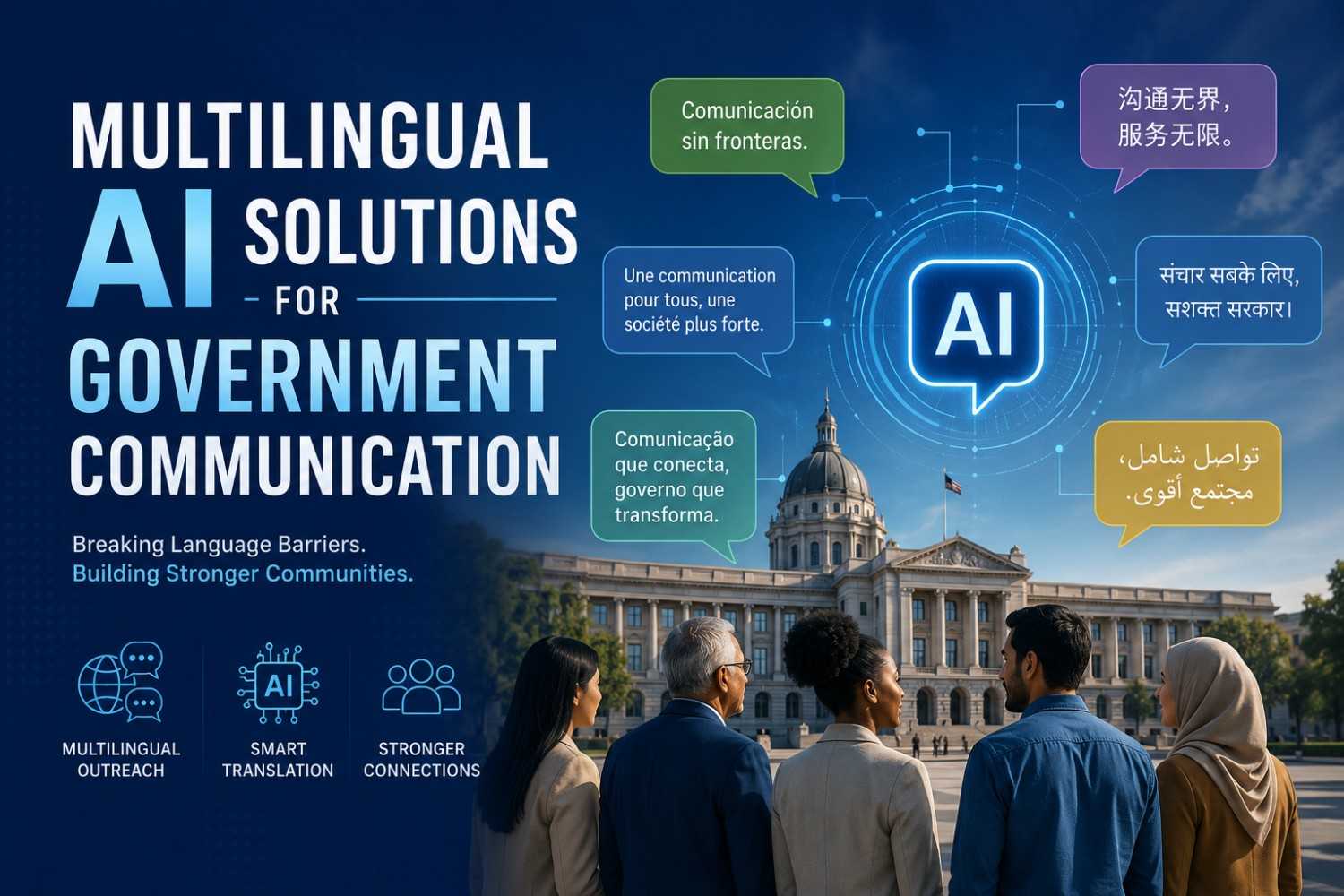
4. Multilingual Government Communication
Language remains a significant barrier for many citizens accessing digital government services.
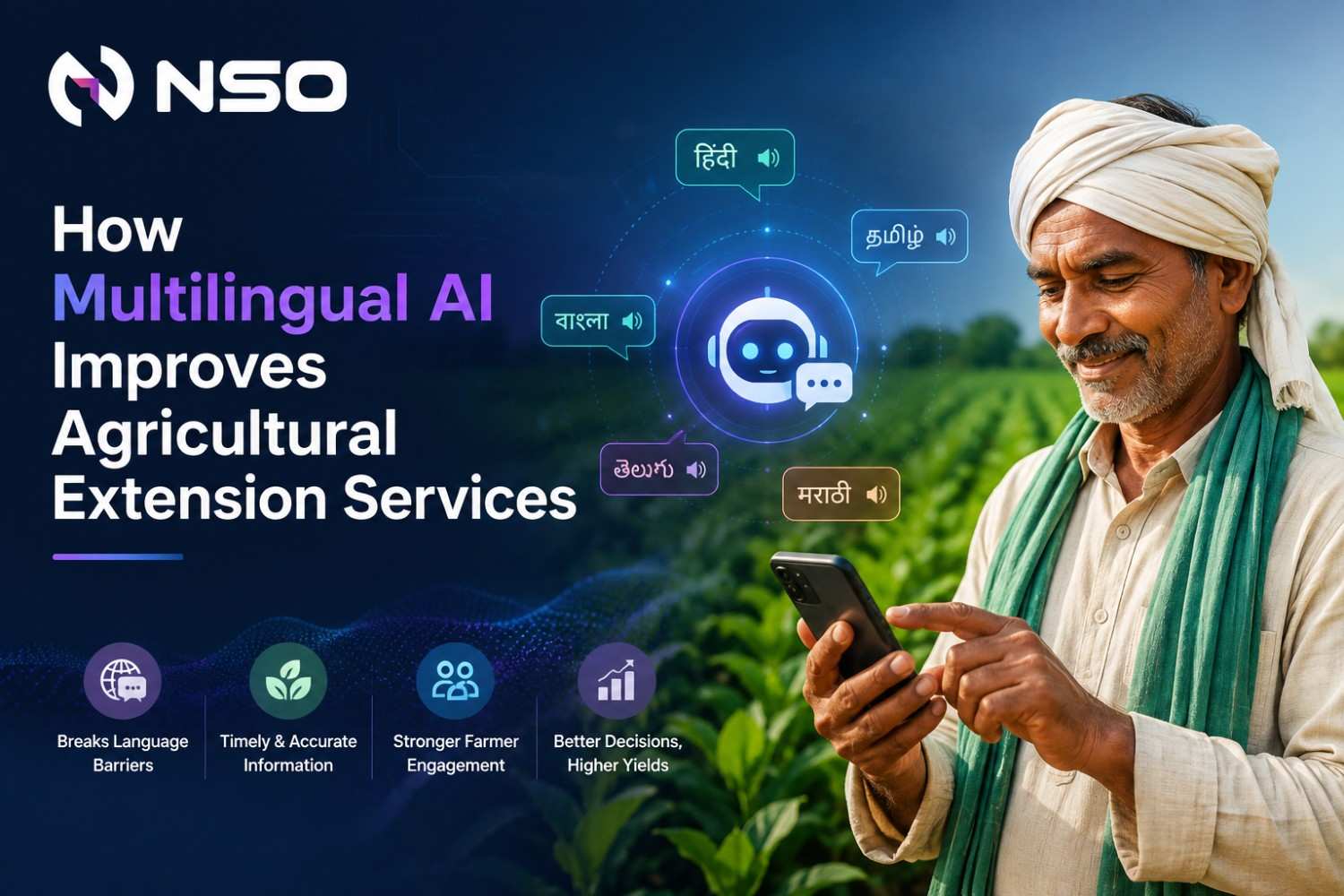
AI agents equipped with multilingual capabilities can communicate in regional languages through text and voice.
Citizens can:
- Ask questions in their native language
- Receive translated responses instantly
- Listen to service instructions through AI-generated speech
- Complete applications without requiring English proficiency
This improves digital accessibility, particularly in rural and linguistically diverse regions.
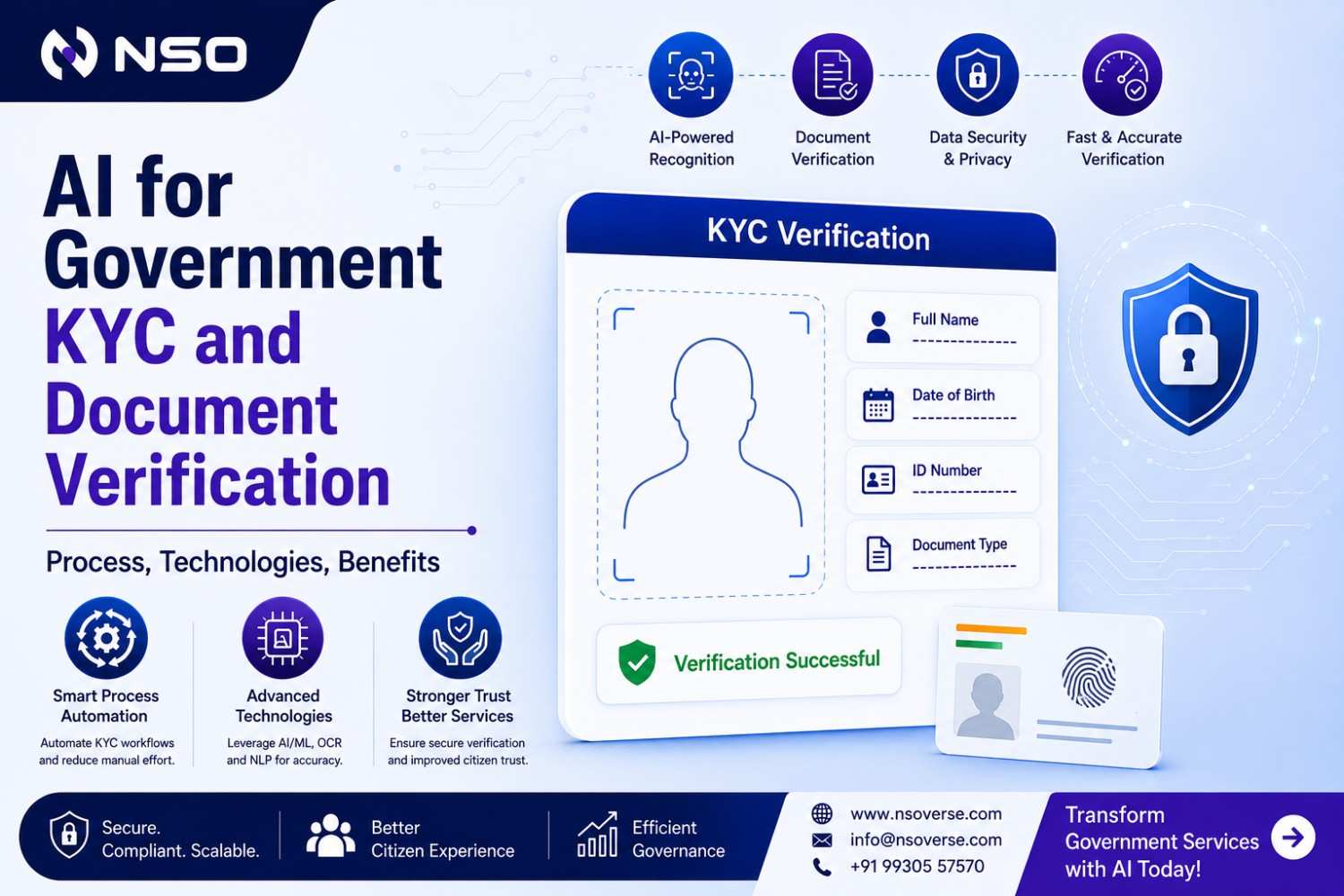
5. Intelligent Document Verification
Government agencies process large volumes of documents every day.
AI agents can examine:
- Identity documents
- Income certificates
- Utility bills
- Educational records
- Property documents
- Business registrations
They can detect:
- Missing pages
- Expired documents
- Mismatched personal details
- Duplicate submissions
- Suspicious alterations
Only applications requiring manual investigation are forwarded to officials.
6. Proactive Citizen Notifications
Rather than waiting for citizens to check application status, AI agents can proactively send updates.
Examples include:
- Passport ready for collection
- Pension approved
- Tax payment reminder
- License renewal notification
- Scholarship deadline alert
- Missing document request
Notifications can be delivered through:
- SMS
- Mobile applications
- Voice calls
This reduces missed deadlines and improves citizen engagement.
7. Coordinating Multiple Government Departments
Many government services involve more than one department.
For example, starting a new business may require approvals from:
- Local municipal authority
- Tax department
- Labor department
- Environmental authority
- Utility providers
Instead of requiring citizens to navigate each process independently, an AI agent can coordinate workflows, exchange information between departments, monitor approvals, and keep applicants informed throughout the process.
8. Supporting Government Employees
AI agents are not designed to replace public servants. Instead, they act as digital assistants that help employees complete administrative work more efficiently.
They can:
- Draft standard responses
- Summarize case files
- Retrieve policy documents
- Search historical records
- Recommend relevant regulations
- Generate reports
This allows officers to spend more time on policy implementation, complex cases, and citizen engagement.
Real-World Government Use Cases
AI agents can support a wide range of public sector functions.
Social Welfare
- Eligibility assessment
- Application verification
- Benefit tracking
- Fraud detection
Municipal Services
- Building permit processing
- Property tax support
- Waste management requests
- Citizen complaint handling
Healthcare
- Appointment scheduling
- Scheme enrollment
- Medical record assistance
- Vaccination reminders
Agriculture
- Farmer subsidy applications
- Crop insurance support
- Scheme recommendations
- Voice-based advisory services
Transportation
- Driving license renewal
- Vehicle registration
- Permit verification
- Public transport information
Revenue and Taxation
- Taxpayer guidance
- Return filing assistance
- Compliance reminders
- Payment status updates
Conclusion
Government agencies are moving beyond basic digital transformation by adopting AI agents that automate processes, improve citizen engagement, and accelerate public service delivery.
From multilingual citizen support and document verification to workflow automation and grievance resolution, AI agents enable governments to provide faster, more efficient, and more accessible services while allowing public officials to focus on strategic decision-making.
If your organization plans to modernise government services with AI, Nova Strategic Operations (NSO) delivers secure, scalable, and multilingual AI solutions tailored for the public sector.
From AI Agents and Conversational AI to Speech-to-Text, Text-to-Speech, and Speech-to-Speech APIs, NSO helps government organizations build intelligent, citizen-centric digital experiences.
Ready to transform public service delivery with AI? Contact NSO today to explore customized AI solutions for your government department and accelerate your digital governance initiatives.
Frequently Asked Questions
1. What is an AI agent in government services?
An AI agent is an intelligent software system that can understand citizen requests, automate workflows, retrieve information from government systems, verify documents, and assist with public service delivery with minimal human intervention.
2. How are AI agents different from government chatbots?
Traditional chatbots primarily answer predefined questions, while AI agents can perform tasks such as processing applications, coordinating approvals, verifying documents, scheduling appointments, and managing complete service workflows.
3. Which government departments can benefit most from AI agents?
AI agents can support municipal services, taxation, social welfare, healthcare, agriculture, transportation, licensing, education, public grievance management, immigration, and other citizen service departments.
4. Can AI agents provide government services in regional languages?
Yes. AI agents equipped with multilingual AI, speech recognition, and text-to-speech technologies can communicate with citizens in multiple regional languages through both voice and text.
5. How do AI agents improve application processing?
They automatically validate forms, detect incomplete submissions, verify supporting documents, identify duplicate applications, and route verified requests to the appropriate government officers.
6. Are AI agents secure enough for government use?
Yes, when deployed with strong cybersecurity measures, encryption, access controls, audit logs, compliance frameworks, and human oversight, AI agents can securely handle sensitive government information.
.png)

.png)
.png)
.png)
.png)
_(1).png)
.png)