


As businesses continue to invest in digital transformation, cloud computing has become a critical component of modern IT infrastructure.
Organizations of all sizes are moving applications, data, and workloads from traditional on-premises environments to cloud platforms to improve scalability, security, and operational efficiency.
However, successful cloud adoption requires a well-defined Cloud Migration Strategy that aligns with business goals and minimizes risks.
This guide explains how enterprises can plan a successful migration, follow industry best practices, and achieve long-term business benefits.
What is a Cloud Migration Strategy?
A Cloud Migration Strategy is a structured plan that outlines how an organization will move its applications, databases, and IT resources from on-premises systems or legacy environments to cloud platforms such as AWS, Microsoft Azure, or Google Cloud.
The strategy includes assessing current infrastructure, identifying migration priorities, selecting the right cloud model, managing risks, and ensuring business continuity throughout the transition process.
Without proper planning, cloud migration can result in downtime, security challenges, unexpected costs, and performance issues.
What Are the Benefits of a Cloud Migration Strategy?
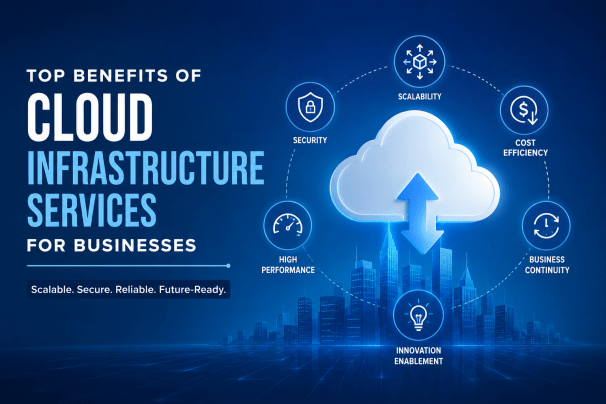
Reduced IT Costs: Businesses can lower expenses related to hardware, infrastructure maintenance, and data center operations by leveraging cloud-based resources.
Improved Scalability: Cloud platforms allow organizations to scale resources up or down based on demand, ensuring optimal performance and cost efficiency.
Enhanced Security: Leading cloud providers offer advanced security features, including encryption, access controls, threat monitoring, and compliance support.
Better Business Continuity: Cloud-based backup and disaster recovery solutions help organizations recover quickly from unexpected outages or cyber incidents.
Increased Operational Efficiency: Cloud environments automate many IT management tasks, allowing teams to focus on innovation and strategic initiatives.
Faster Deployment of Applications: Businesses can launch new applications, updates, and services more quickly, helping them respond to market changes faster.
Why Enterprises Need Cloud Migration
Modern enterprises face growing challenges such as increasing data volumes, cybersecurity threats, rising infrastructure costs, and the need for faster innovation. Cloud migration helps address these challenges by providing:
- Greater scalability and flexibility
- Improved business continuity and disaster recovery
- Enhanced security capabilities
- Reduced hardware and maintenance costs
- Faster deployment of applications and services
- Better collaboration and remote accessibility
By adopting a strategic approach, organizations can maximize the value of their cloud investments while reducing migration risks.
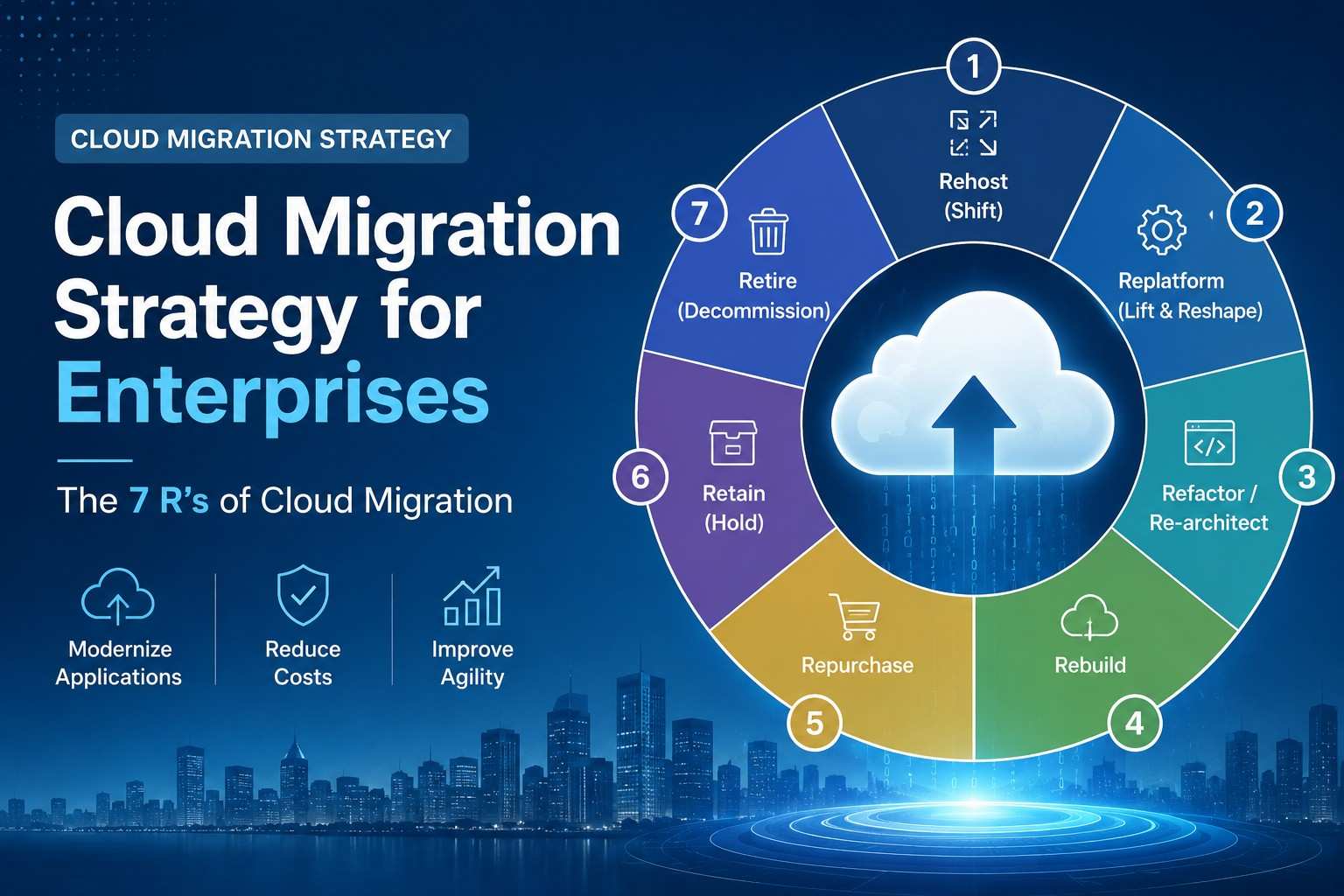
The 7 R of Cloud Migration: Key Strategies for a Successful Cloud Transition
The widely recognized 7 Rs of Cloud Migration help organizations determine the most effective path to move their IT infrastructure to the cloud.
1. Rehost (Lift and Shift)
Rehosting involves moving applications and workloads to the cloud without making significant changes. It is one of the fastest migration methods and helps organizations quickly adopt cloud infrastructure. However, applications may require further optimization after migration.
2. Replatform
Replatforming involves making minor modifications to applications before moving them to the cloud. This approach improves cloud compatibility while avoiding major architectural changes. It offers a balance between speed, cost, and performance.
3. Refactor
Refactoring requires redesigning or rebuilding applications to take full advantage of cloud-native features. This may involve updating code, databases, or application architecture. Although time-consuming, it delivers better scalability and long-term efficiency.
4. Repurchase
Repurchasing means replacing existing software with a cloud-based SaaS solution. Organizations often use this approach when modern cloud applications offer better functionality and lower maintenance costs. Examples include migrating to cloud-based CRM or ERP platforms.
5. Relocate
Relocation involves moving virtual machines and workloads from an on-premises environment to a cloud-based version of the same platform. This strategy minimizes application changes and simplifies the migration process. It is commonly used in large-scale virtualization environments.
6. Retain
Retaining means keeping certain applications in their current environment instead of migrating them immediately. This approach is useful when applications have complex dependencies or require significant redevelopment. Organizations can revisit these workloads in future migration phases.
7. Retire
Retiring involves identifying and removing outdated, redundant, or unused applications during the migration process. Eliminating unnecessary workloads helps reduce costs and simplifies IT management. It also improves overall cloud migration efficiency.
Partner with Experts for Your Successful Cloud Migration Strategy
At Nova Strategic Operations, we help organizations develop and execute successful cloud transformation initiatives. Our team works closely with businesses to design customized cloud migration plans that align with operational goals, security requirements, and growth objectives.
Our cloud services include:
- Cloud readiness assessments
- Migration planning and execution
- Infrastructure modernization
- Cloud security implementation
- DevOps and automation solutions
- Performance optimization and ongoing support
Whether your organization is moving a single application or transforming its entire IT ecosystem, we provide the expertise and strategic guidance needed to ensure a smooth and successful transition. Our team works closely with you to minimize risks, optimize performance, and maximise the value of your cloud investment.
Ready to accelerate your cloud journey? Contact us today to discuss your cloud migration requirements and discover how our tailored solutions can help your business achieve its digital transformation goals.
Frequently Asked Questions?
1. How Much Does It Cost to Move My Business to the Cloud?
The cost of cloud migration varies depending on factors such as your existing infrastructure. Contact Nova Strategic Operations today for a personalized cloud migration assessment and receive a tailored cost estimate that aligns with your business goals and budget.
2. Can I Move My On-Premises Systems to the Cloud Without Shutting Down?
Yes, many organizations can migrate on-premises systems to the cloud with minimal or no downtime by using phased migration approaches, replication tools, and careful planning. The right cloud migration strategy helps ensure business continuity while workloads are transferred securely and efficiently.
3. What are the different types of cloud migration?
The main types include rehosting (lift-and-shift), replatforming, refactoring, repurchasing, retiring, and retaining applications based on business requirements.
4. Which cloud deployment model is best for enterprises?
The best model depends on business needs. Public cloud offers flexibility and cost savings, private cloud provides greater control, and hybrid cloud combines the benefits of both.
5. How can businesses reduce risks during cloud migration?
Businesses can reduce risks by conducting thorough assessments, creating a migration roadmap, implementing security controls, testing workloads, and using a phased migration approach.



.png)






.png)
.png)
.png)
.png)
_(1).png)
.png)