

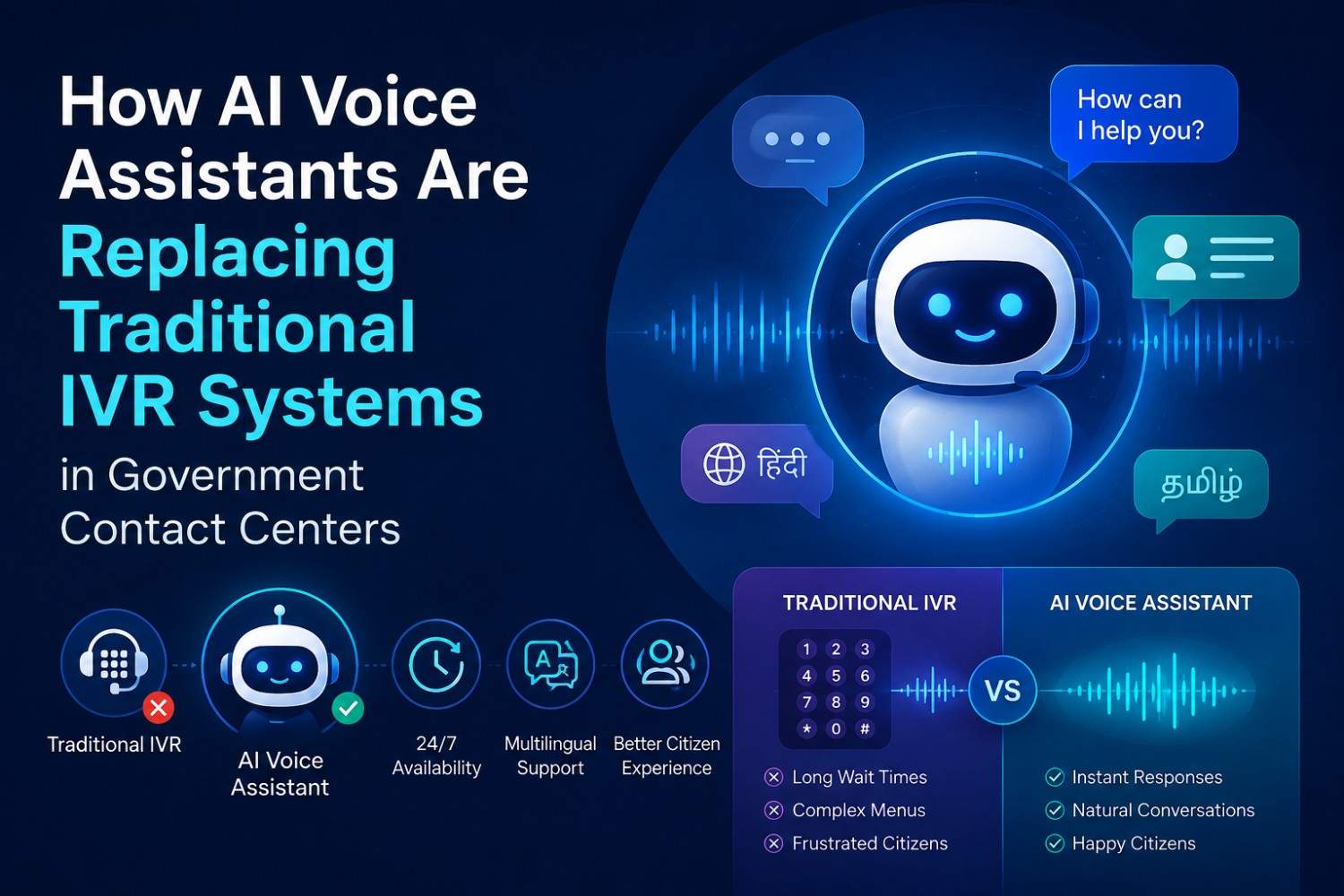

"Press 1 for English. Press 2 for Hindi. Press 3 to speak with an agent." For millions of citizens, this frustrating experience defines government helplines. Long wait times, confusing menu trees, and repeated transfers often turn a simple inquiry into a time-consuming process. In an era where citizens expect the same seamless service from public institutions as they receive from private businesses, traditional IVR systems are no longer enough.
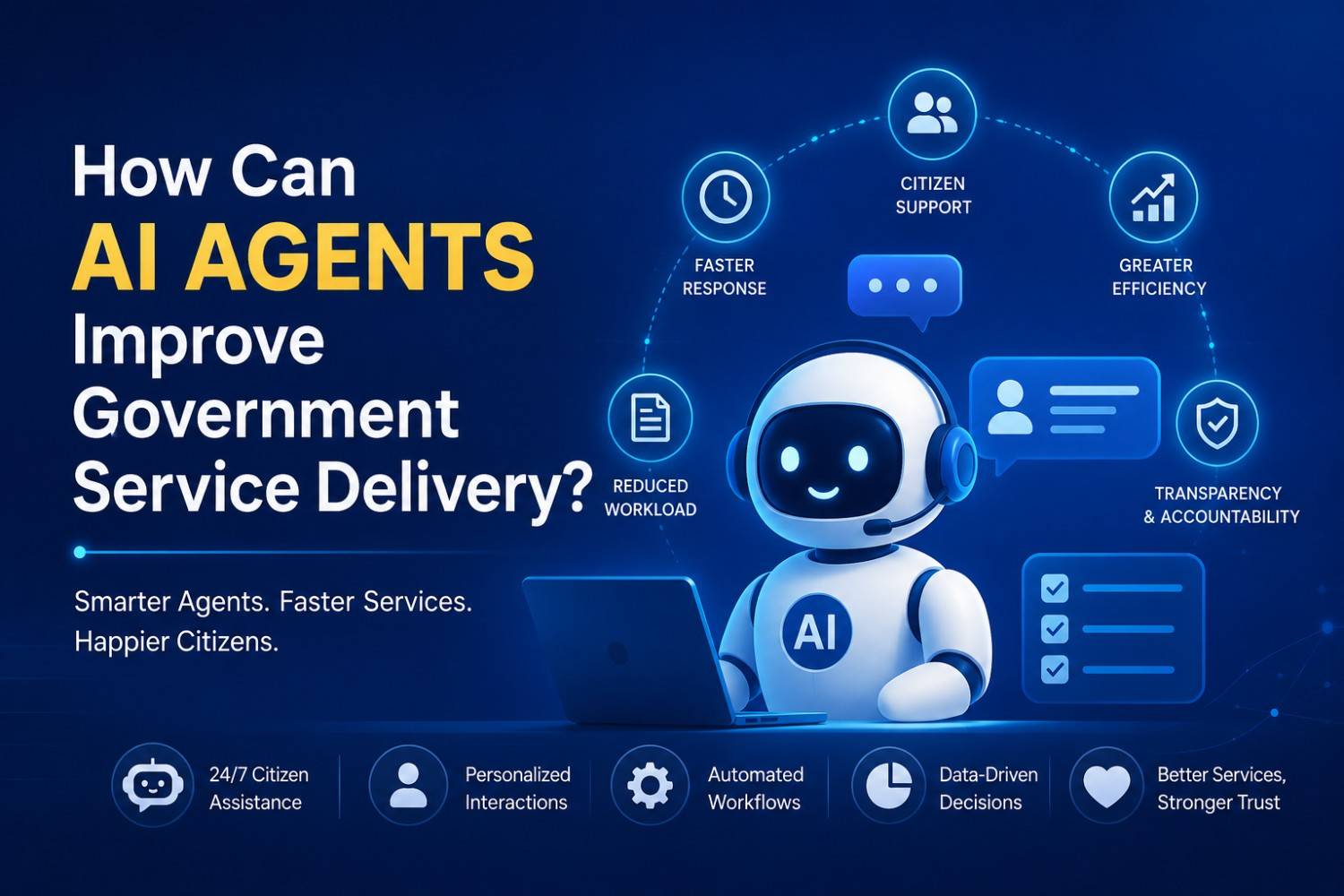
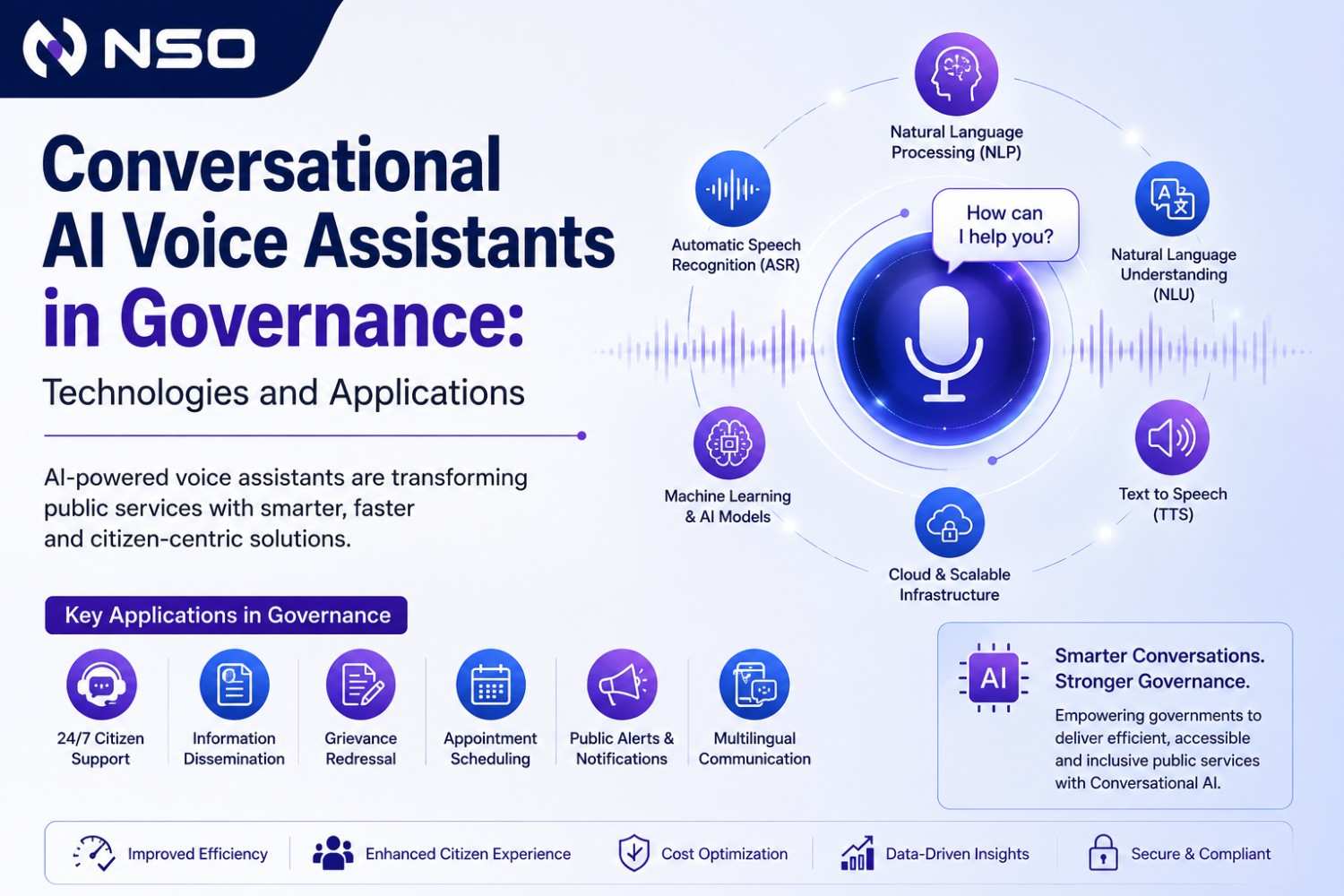
AI voice assistants are redefining how government contact centers operate. Instead of forcing citizens through rigid menu structures, AI-powered voice assistants understand natural speech, resolve complex queries, support multiple regional languages, and complete tasks without human intervention. The result is faster service delivery, reduced operational costs, and a significantly better citizen experience.
Governments worldwide are shifting from rule-based IVR systems to intelligent conversational AI because modern public services demand more than automated call routing, they require meaningful conversations.
Why Traditional IVR Systems Are Failing Modern Government Services
Conventional IVR systems were designed to direct calls, not solve problems. While they helped reduce manual call handling years ago, today's public service environment is far more complex.
Common challenges with traditional IVR include:
- Multiple menu levels that confuse citizens
- High call abandonment rates
- Limited support for complex requests
- Poor multilingual capabilities
- Inability to understand conversational language
- Heavy dependency on human agents for issue resolution
AI Voice Assistants: From Call Routing to Problem Resolution
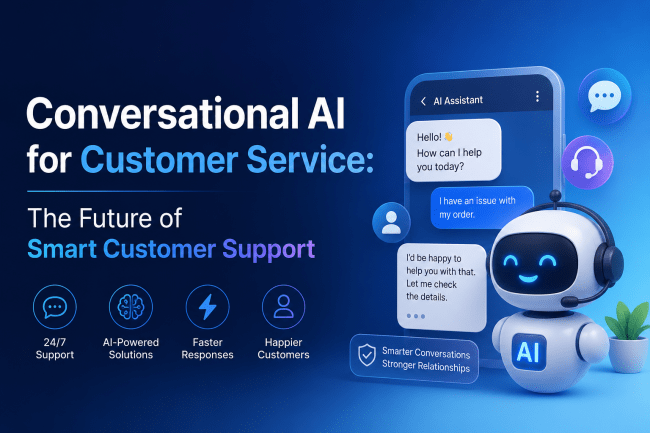
Unlike traditional IVR, AI voice assistants act as intelligent virtual government representatives.
Rather than asking callers to navigate menus, AI understands intent directly.
For example, instead of:
"Press 4 for Pension Services."
A citizen simply says:
"I want to know the status of my pension application."
The AI immediately identifies the request, retrieves relevant information from integrated government systems, and provides an accurate response within seconds.
This conversational approach dramatically reduces call handling time while improving citizen satisfaction.
Government departments receive thousands of calls daily related to certificates, taxation, healthcare, agriculture, pensions, welfare schemes, licenses, and public grievances. Static IVR systems simply cannot handle these evolving citizen expectations efficiently.
Key Capabilities That Make AI Voice Assistants Superior
Natural Language Understanding
Citizens rarely speak in predefined formats.
Someone may ask:
- "Where is my income certificate?"
- "My ration card application is still pending."
- "I haven't received my subsidy."
AI voice assistants understand different sentence structures, accents, and conversational patterns without requiring exact keywords.
This makes interactions feel natural instead of robotic.
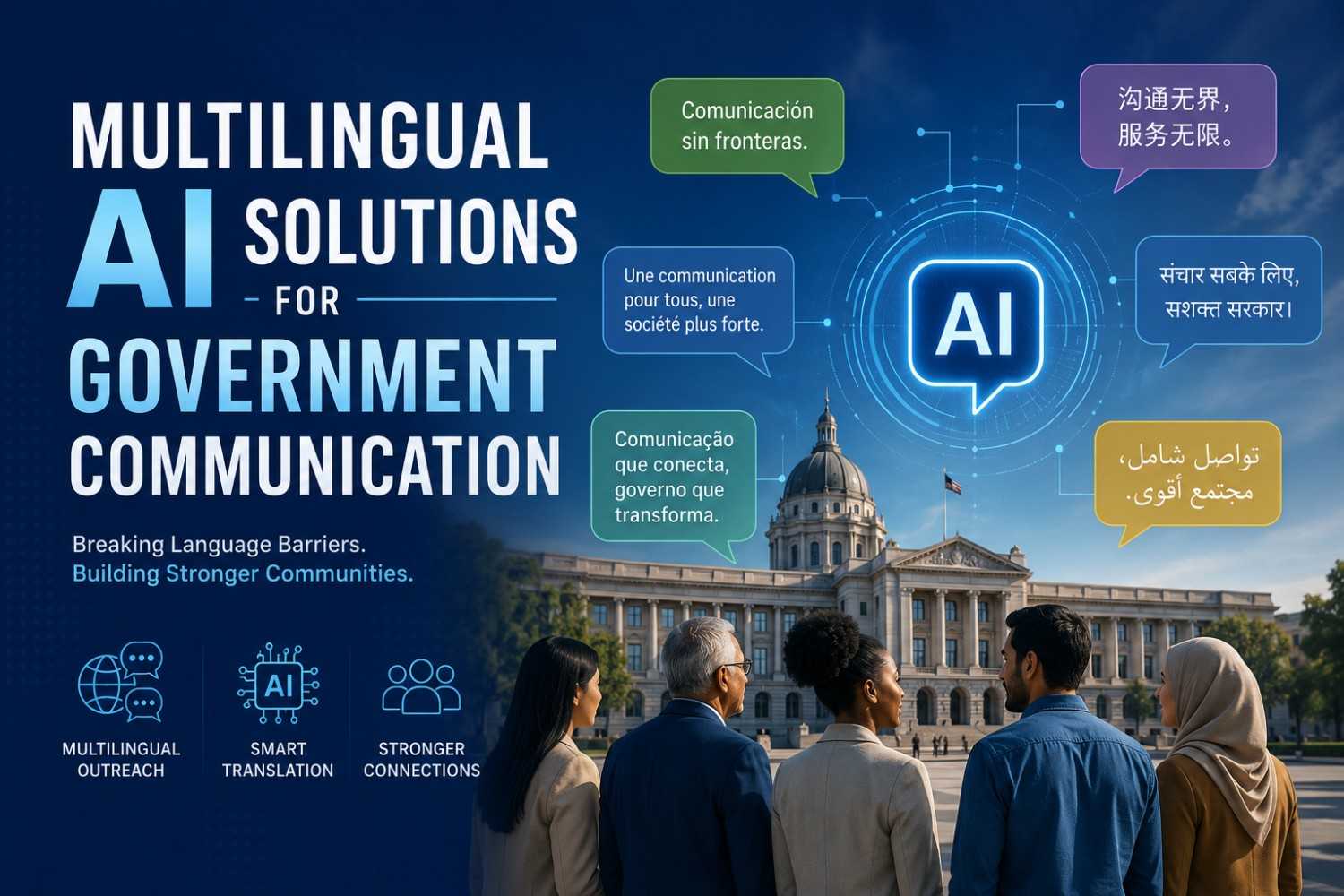
Multilingual Support for Diverse Populations
Government services must be accessible to every citizen.
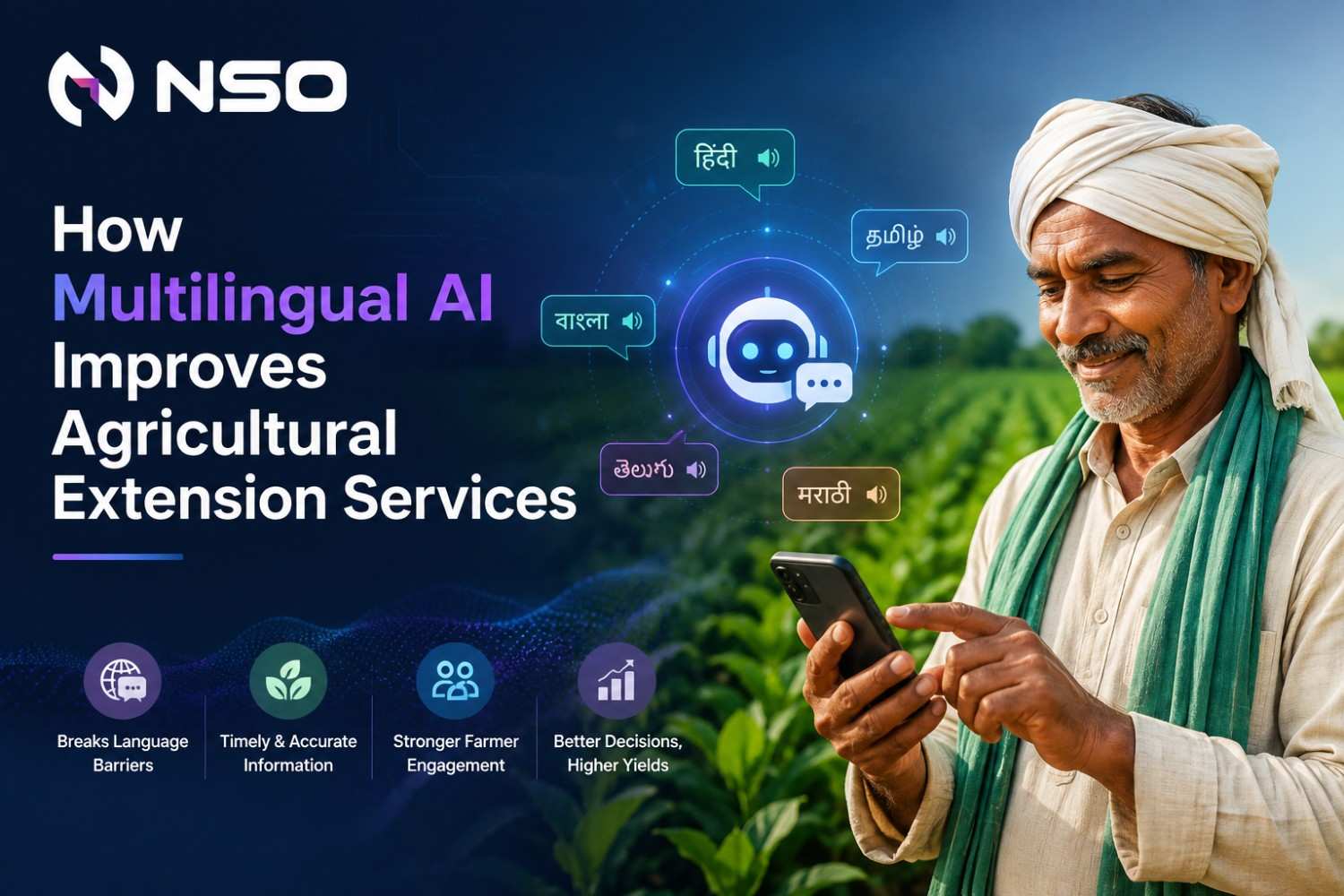
Modern AI voice assistants can communicate in multiple Indian languages, including
- Hindi
- Marathi
- Gujarati
- Tamil
- Telugu
- Bengali
- Kannada
- Malayalam
- Punjabi
Citizens can switch languages naturally during conversations without restarting the call.
This significantly improves accessibility across rural and urban regions.
24×7 Citizen Assistance
Government offices operate within working hours.
Citizen needs do not.
AI voice assistants provide continuous support throughout the day, allowing citizens to
- Check application status
- Schedule appointments
- Receive scheme information
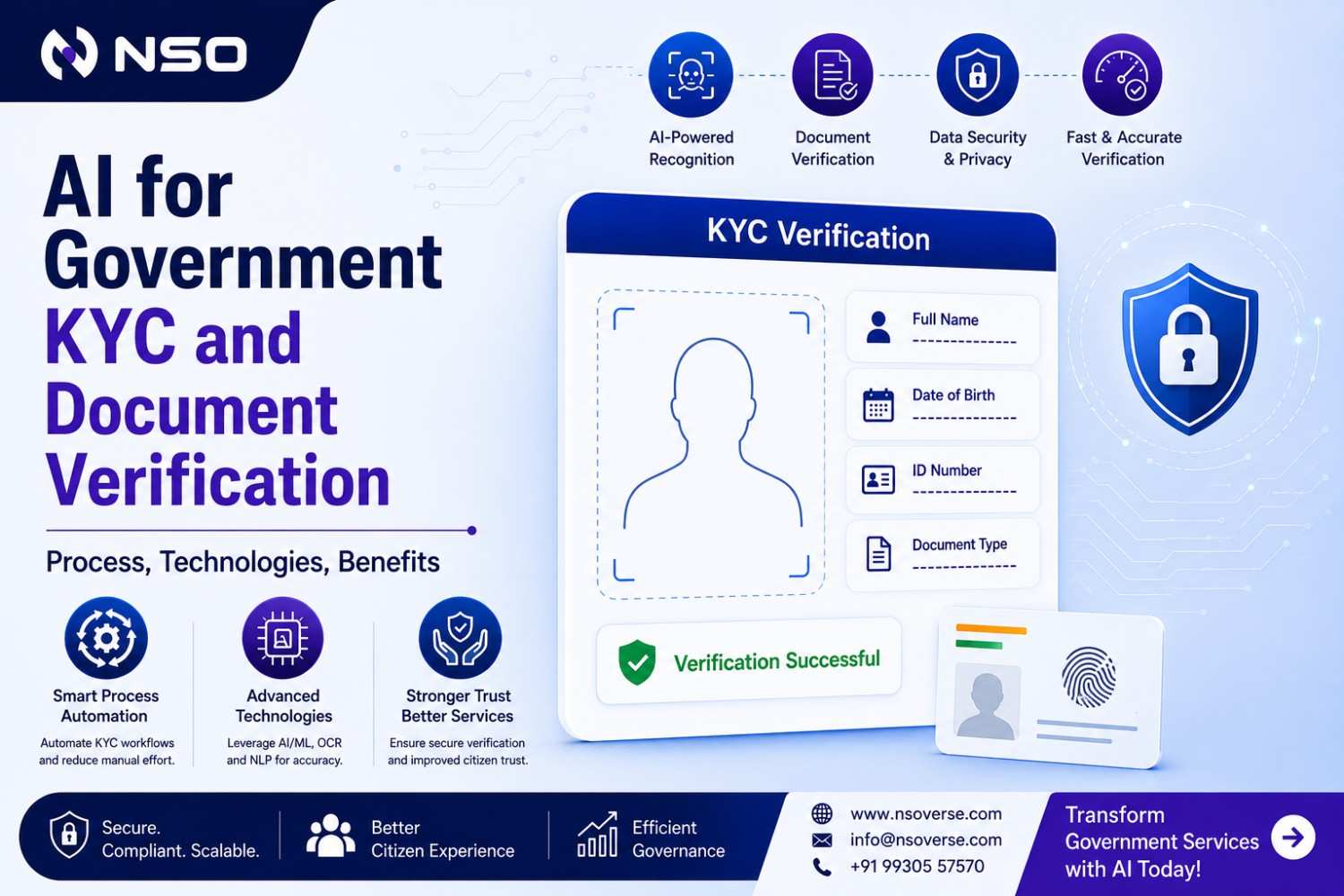
- Verify documents
- Register complaints
- Request callback services
This ensures uninterrupted public service without increasing staffing costs.
Context-Aware Conversations
Traditional IVR forgets everything after every menu selection.
AI remembers the conversation.
For example:
Citizen:
"I applied for a passport last month."
AI:
"Can you share your application number?"
Citizen:
"I don't remember."
AI:
"Please provide your registered mobile number."
The conversation continues naturally without forcing users to restart the process.
Government Departments That Benefit the Most
AI voice assistants are transforming operations across multiple public sector departments.
Citizen Service Centers
- Birth certificates
- Death certificates
- Income certificates
- Domicile certificates
- Application tracking
Revenue Departments
- Property tax inquiries
- Land record verification
- Payment status
- Tax reminders
Healthcare Departments
- Appointment scheduling
- Vaccination information
- Hospital guidance
- Health scheme eligibility
Agriculture Departments
Farmers can instantly receive information regarding:
- Crop insurance
- Subsidies
- Weather advisories
- Soil health programs
- Equipment schemes
without waiting for manual assistance.
Transport Authorities
AI can automate:
- Driver's license inquiries
- Vehicle registration updates
- Permit renewals
- Challan information
- Appointment booking
Operational Benefits Beyond Better Customer Service
Many organizations assume AI voice assistants only improve citizen experience.
The operational advantages are equally significant.
Reduced Call Center Costs
AI automates thousands of repetitive conversations that previously required human agents.
This reduces:
- Staffing requirements
- Overtime expenses
- Training costs
- Infrastructure costs
Human agents can instead focus on sensitive or complex citizen cases.
Faster Response Times
Instead of waiting several minutes to reach the correct department, AI instantly understands requests and begins resolving them.
Shorter response times directly improve public trust in government services.
Consistent Information Delivery
Human agents may provide slightly different responses depending on experience.
AI delivers standardized information based on approved government policies, ensuring every citizen receives consistent guidance.
Actionable Insights Through Conversation Analytics
Every citizen interaction generates valuable data.
Government organizations can analyze:
- Frequently asked questions
- Seasonal service demand
- Citizen pain points
- Regional language preferences
- Policy-related confusion
- Common complaint categories
These insights help departments improve both digital services and policymaking.
AI Voice Assistants Are Becoming Digital Public Service Infrastructure
The future of government contact centers extends beyond answering calls.
Modern AI voice assistants can integrate with:
- Citizen databases
- CRM platforms
- Document verification systems
- Payment gateways
- Appointment management software
- Case management platforms
- Government workflow automation systems
This enables end-to-end service delivery instead of simple call handling.
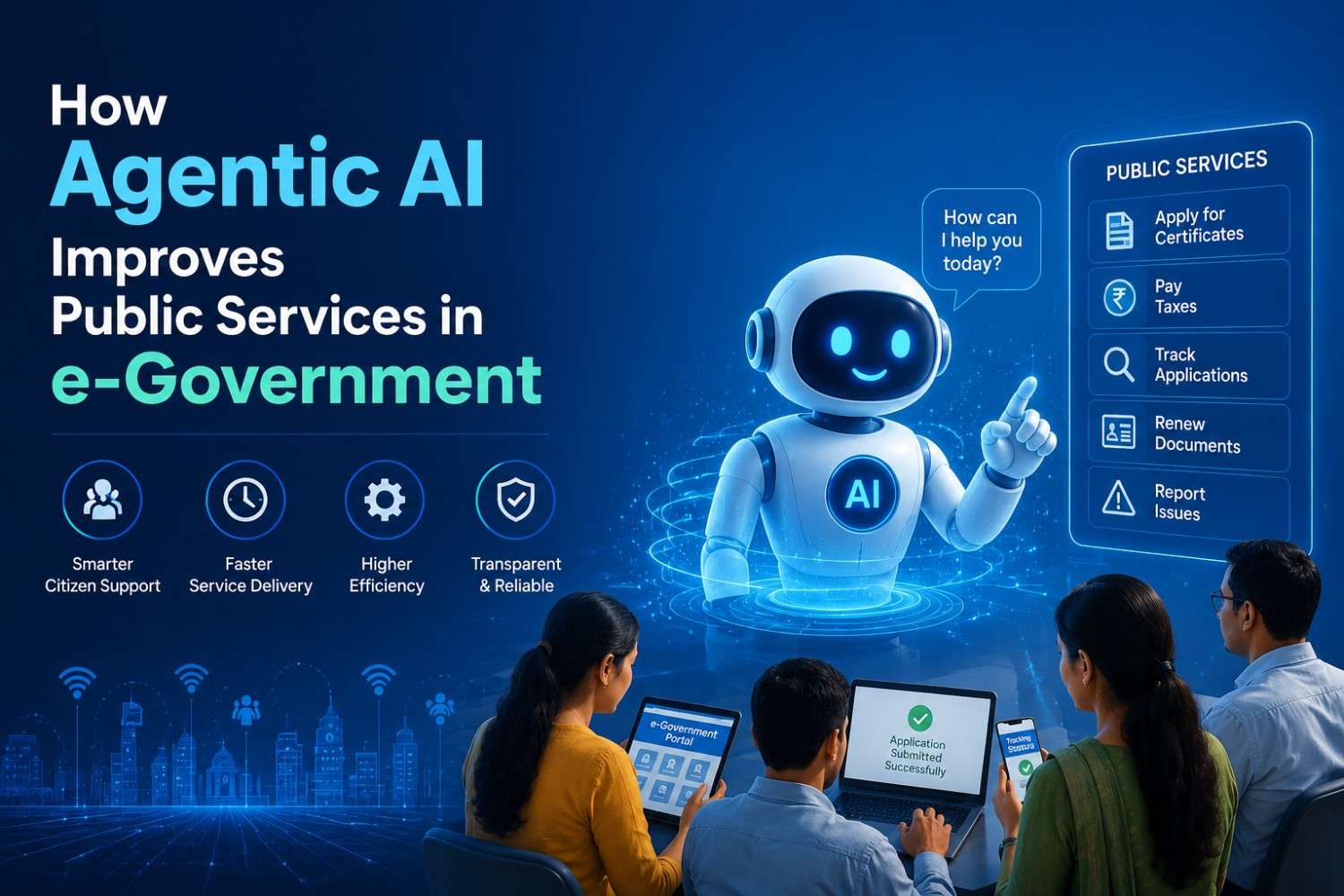
Citizens can complete an entire process from inquiry to application submission and status confirmation within a single AI-powered conversation.
Conclusion
Traditional IVR systems are no longer sufficient for modern government contact centers. AI voice assistants enable faster responses, multilingual communication, 24/7 availability, and intelligent automation, helping government organizations deliver better citizen experiences while reducing operational costs.
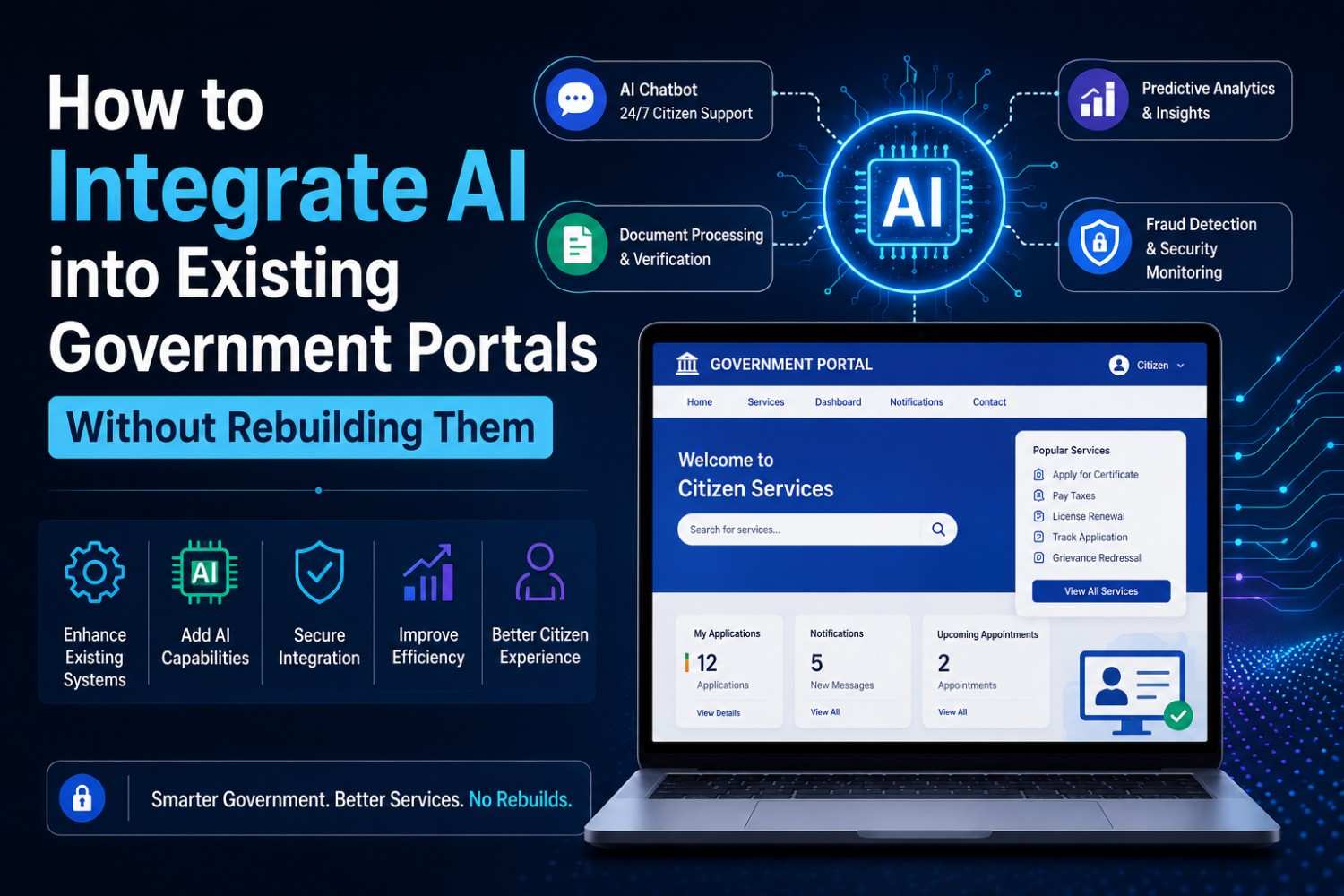
Nova Strategic Operations (NSO) specializes in AI-powered solutions, including AI voice assistants, conversational AI, speech-to-text, text-to-speech, and agentic AI for the public sector. Our secure and scalable platforms integrate seamlessly with existing government systems to streamline citizen interactions and accelerate digital transformation.
Ready to upgrade your contact center? Partner with Nova Strategic Operations and discover how AI voice technology can transform public service delivery. Contact our experts today.
Frequently Asked Questions
1. What is the difference between an AI voice assistant and a traditional IVR system?
Traditional IVR systems rely on predefined menus and keypad inputs, while AI voice assistants understand natural language, answer complex questions, automate workflows, and engage in human-like conversations.
2. Can AI voice assistants support multiple Indian languages?
Yes. Modern AI voice assistants can communicate in multiple Indian languages such as Hindi, Marathi, Tamil, Telugu, Bengali, Gujarati, Kannada, Malayalam, Punjabi, and more, making government services more accessible.
3. How do AI voice assistants improve government contact center efficiency?
They automate repetitive inquiries, reduce call wait times, lower operational costs, provide 24/7 citizen support, and allow human agents to focus on high-priority or complex cases.
4. Are AI voice assistants secure enough for government organizations?
Yes. Enterprise-grade AI voice platforms can be deployed with strong encryption, role-based access controls, audit logs, secure APIs, and on-premise or sovereign cloud infrastructure to meet government security and compliance requirements.
5. Which government departments can benefit most from AI voice assistants?
Citizen service centers, healthcare, taxation, agriculture, transport, municipal corporations, social welfare, revenue, education, and public grievance departments can all use AI voice assistants to improve service delivery.
6. Can AI voice assistants integrate with existing government systems?
Absolutely. They can integrate with CRMs, citizen databases, document management systems, payment gateways, appointment booking platforms, workflow systems, and other government applications through secure APIs.
7. Will AI voice assistants replace human agents completely?
No. AI handles routine and repetitive interactions, while complex, sensitive, or exceptional cases can be seamlessly transferred to human agents. This creates a hybrid support model that improves both efficiency and citizen satisfaction.
.png)
.png)
.png)
.png)
.png)
_(1).png)
.png)