



What if the AI your government depends on suddenly becomes unavailable? Imagine a national emergency where government agencies rely on AI to process citizen requests, detect cyber threats, or support healthcare systems. Still, the underlying AI platform is controlled by a foreign company. A policy change, geopolitical conflict, service outage, or data regulation could instantly disrupt critical public services. This is no longer a hypothetical concern. As artificial intelligence becomes deeply integrated into governance, the question is shifting from "Who builds the best AI?" to "Who controls the AI that powers a nation?"
This is where Sovereign AI becomes essential.
Governments across the world are beginning to invest in national AI infrastructure, domestic language models, secure data ecosystems, and local computing capabilities. Sovereign AI is not simply about creating another chatbot, it is about ensuring that a country's AI ecosystem aligns with its laws, values, security requirements, and long-term strategic interests.
In this article, we'll explore what Sovereign AI is, why governments are prioritizing it, its real-world applications, implementation challenges, and what the future holds.
What Is Sovereign AI?
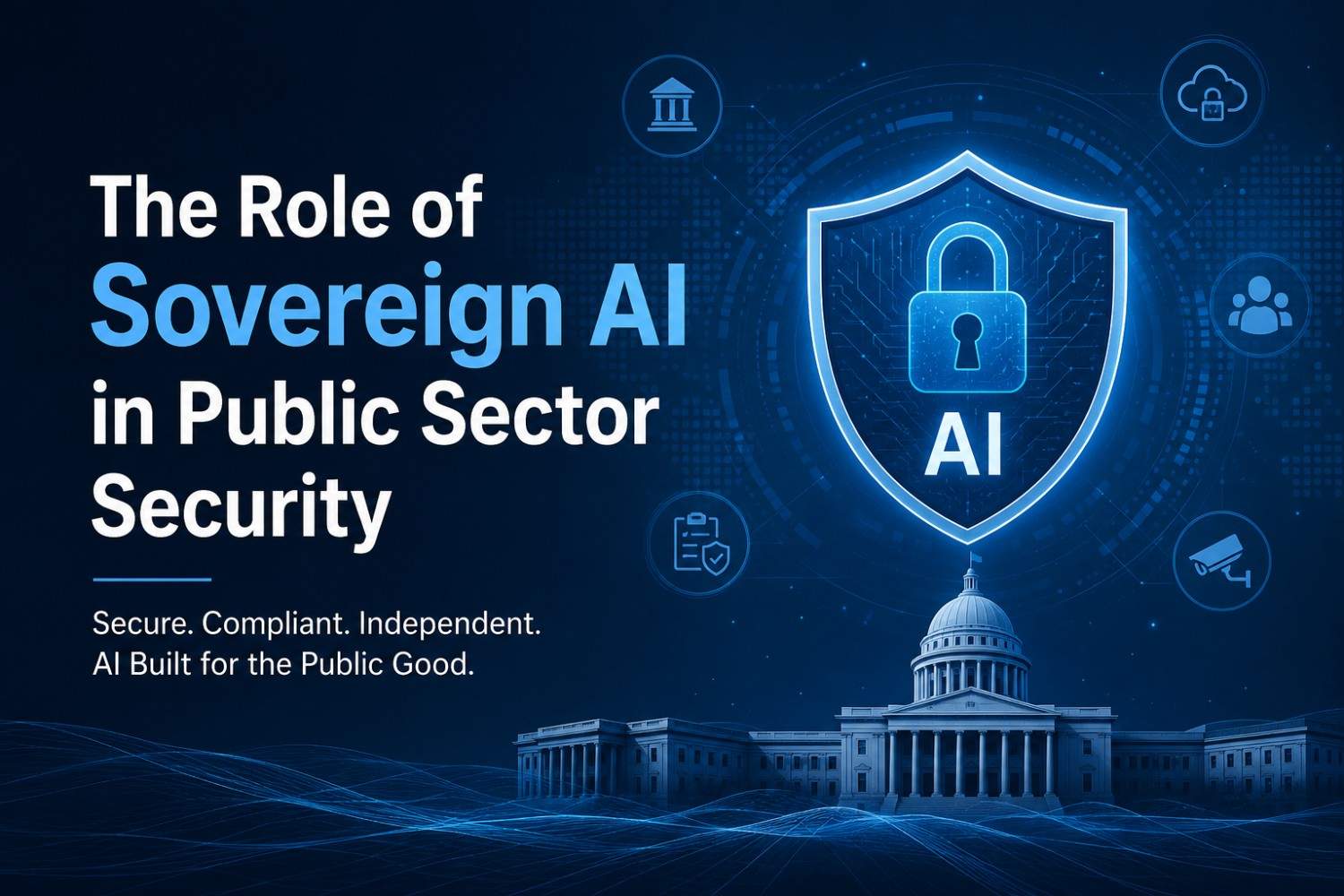
Sovereign AI refers to an artificial intelligence ecosystem that is developed, deployed, governed, and controlled within a country's legal and regulatory framework. It enables governments to maintain ownership over critical AI technologies, national datasets, computing infrastructure, and AI policies instead of depending entirely on foreign platforms.
A Sovereign AI ecosystem generally includes:
- National AI infrastructure
- Secure cloud and data centers
- Government-owned or government-controlled AI models
- Domestic datasets
- AI governance frameworks
- Local AI talent and research institutions
- National cybersecurity integration
Unlike public AI services, Sovereign AI prioritizes security, compliance, transparency, resilience, and national interests.
Why Is Sovereign AI Becoming a Global Priority?
Countries are recognizing that AI is becoming as strategically important as energy, telecommunications, and defense.
Several factors are driving this shift.
Growing Dependence on Foreign AI Platforms
Many governments currently use AI services developed by global technology companies. While these platforms offer advanced capabilities, they also introduce risks such as:
- Vendor lock-in
- Data residency concerns
- Limited transparency
- Service dependency
- Regulatory conflicts
Sovereign AI reduces these dependencies by allowing governments to control mission-critical AI systems.
National Data Must Remain Within National Borders
Governments manage enormous volumes of sensitive information, including:
- Citizen identity records
- Healthcare information
- Tax data
- Land records
- Defense intelligence
- Judicial documents
- Public safety information
Sending such data to external AI providers may conflict with national privacy regulations and security policies.
Sovereign AI ensures sensitive government data stays under domestic jurisdiction.
AI Is Becoming National Infrastructure
Just as governments invest in roads, power grids, and communication networks, AI is becoming part of a country's digital infrastructure.
Future government operations may depend on AI for:
- Welfare distribution
- Emergency response
- Public health
- Tax administration
- Urban planning
- Border security
- Transportation management
Critical infrastructure should not depend entirely on external technology providers.
The Core Pillars of Sovereign AI
Building Sovereign AI involves much more than training an AI model.
1. Sovereign Data
Government datasets remain protected within national infrastructure while following domestic privacy laws.
Examples include:
- Population records
- Agricultural databases
- Environmental monitoring
- Public health systems
- Census information
2. Sovereign Compute
AI requires enormous computing power.
Governments increasingly invest in:
- National GPU clusters
- Domestic cloud infrastructure
- High-performance computing centers
- Government AI data centers
Owning compute infrastructure reduces strategic dependence.
3. Sovereign Models
Countries are developing AI models trained on:
- Local languages
- National regulations
- Regional culture
- Government terminology
- Public service workflows
These models often provide more accurate responses than general-purpose global AI systems.
4. Sovereign Governance
Responsible AI requires clear governance covering:
- Data usage
- AI auditing
- Transparency
- Bias monitoring
- Human oversight
- Accountability
- Security standards
Governments establish these frameworks to ensure AI serves citizens fairly.
Why Sovereign AI Is Different from Conventional AI Systems
|
Feature |
Sovereign AI |
Traditional AI |
|
Data Ownership |
Data remains within national jurisdiction and government control. |
Data may be processed or stored across multiple countries. |
|
Data Privacy |
Designed to comply with national privacy laws and strict security policies. |
Privacy practices depend on the provider's global infrastructure and policies. |
|
Infrastructure |
Operates on domestically controlled cloud, data centers, or government infrastructure. |
Typically relies on global public cloud providers and third-party infrastructure. |
|
Security |
Offers greater control over sensitive government systems and critical data. |
May introduce geopolitical and third-party security risks. |
|
Regulatory Compliance |
Built to align with country-specific regulations, governance, and legal frameworks. |
Primarily follows international or vendor-defined compliance standards. |
|
AI Model Customization |
Can be trained using local datasets, government policies, and regional requirements. |
Usually trained on broad, global datasets with limited localization. |
|
Language Support |
Optimized for regional languages, dialects, and government terminology. |
Stronger in widely spoken languages but may struggle with local contexts. |
|
Public Sector Applications |
Ideal for citizen services, defense, taxation, healthcare, and digital governance. |
Better suited for general commercial and enterprise applications. |
|
National Control |
Government retains ownership and control over AI models and infrastructure. |
AI platforms are generally controlled by external technology providers. |
|
Risk of Foreign Dependency |
Minimizes dependence on foreign technology and cloud services. |
Greater reliance on international AI vendors and infrastructure providers. |
|
Scalability |
Scales according to national infrastructure and government priorities. |
Easily scalable through global cloud ecosystems. |
|
Primary Objective |
Strengthen national security, digital sovereignty, and trusted public services. |
Maximize efficiency, automation, and commercial innovation across industries. |
Why Governments Should Care About Sovereign AI
As AI shapes public governance, sovereignty ensures security, trust, resilience, and long-term national independence.
Stronger National Security
AI systems increasingly support:
- Cybersecurity monitoring
- Defense intelligence
- Border surveillance
- Emergency communications
- Threat analysis
Maintaining domestic control reduces exposure to geopolitical risks.
Better Citizen Privacy
Governments have a responsibility to protect citizen information.
Sovereign AI supports:
- Local data processing
- Secure access controls
- Compliance with privacy regulations
- Controlled model training
- Reduced external data exposure
Improved Public Services
AI can automate repetitive government tasks while maintaining compliance.
Examples include:
- Permit approvals
- Tax assistance
- Citizen helpdesks
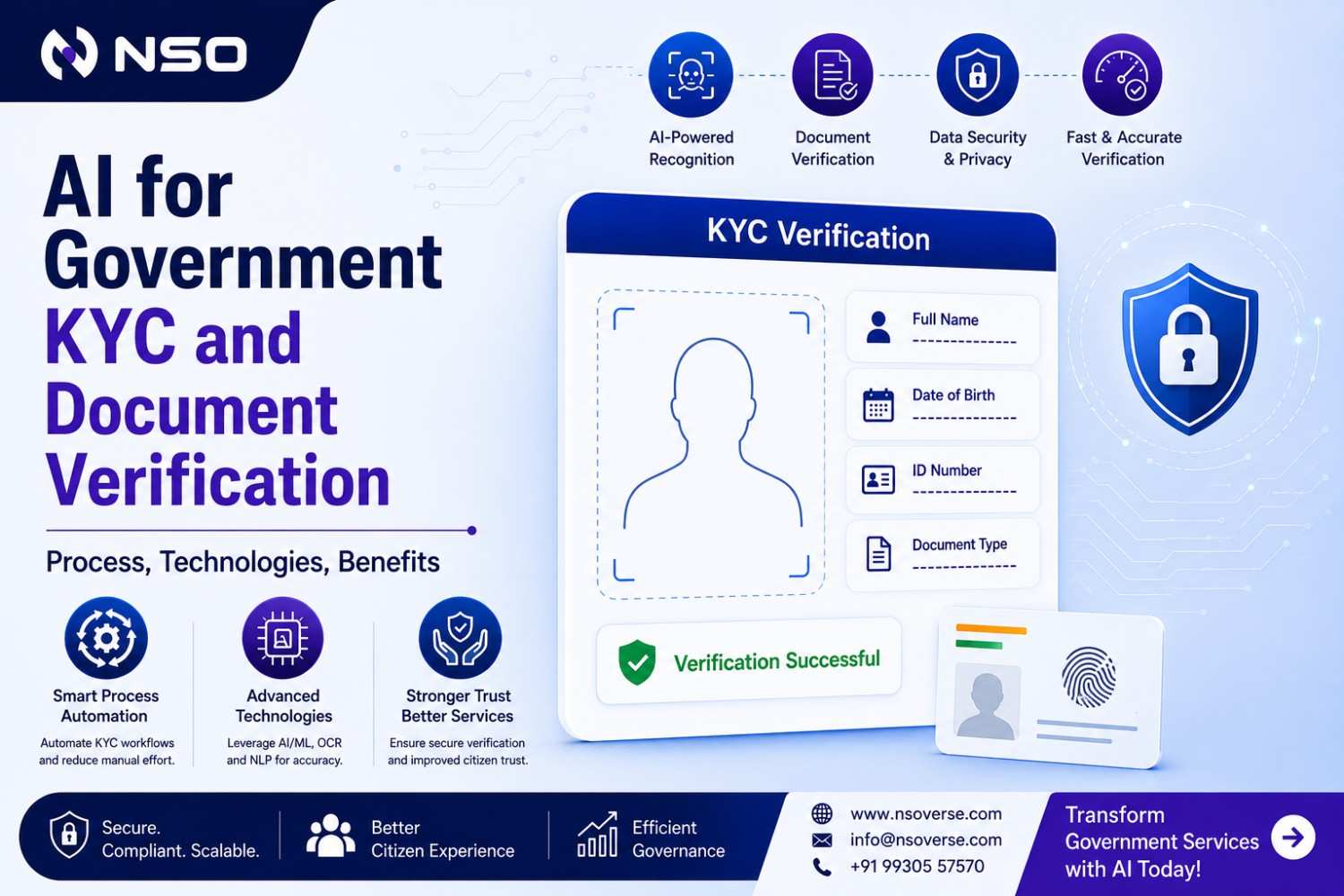
- Document verification
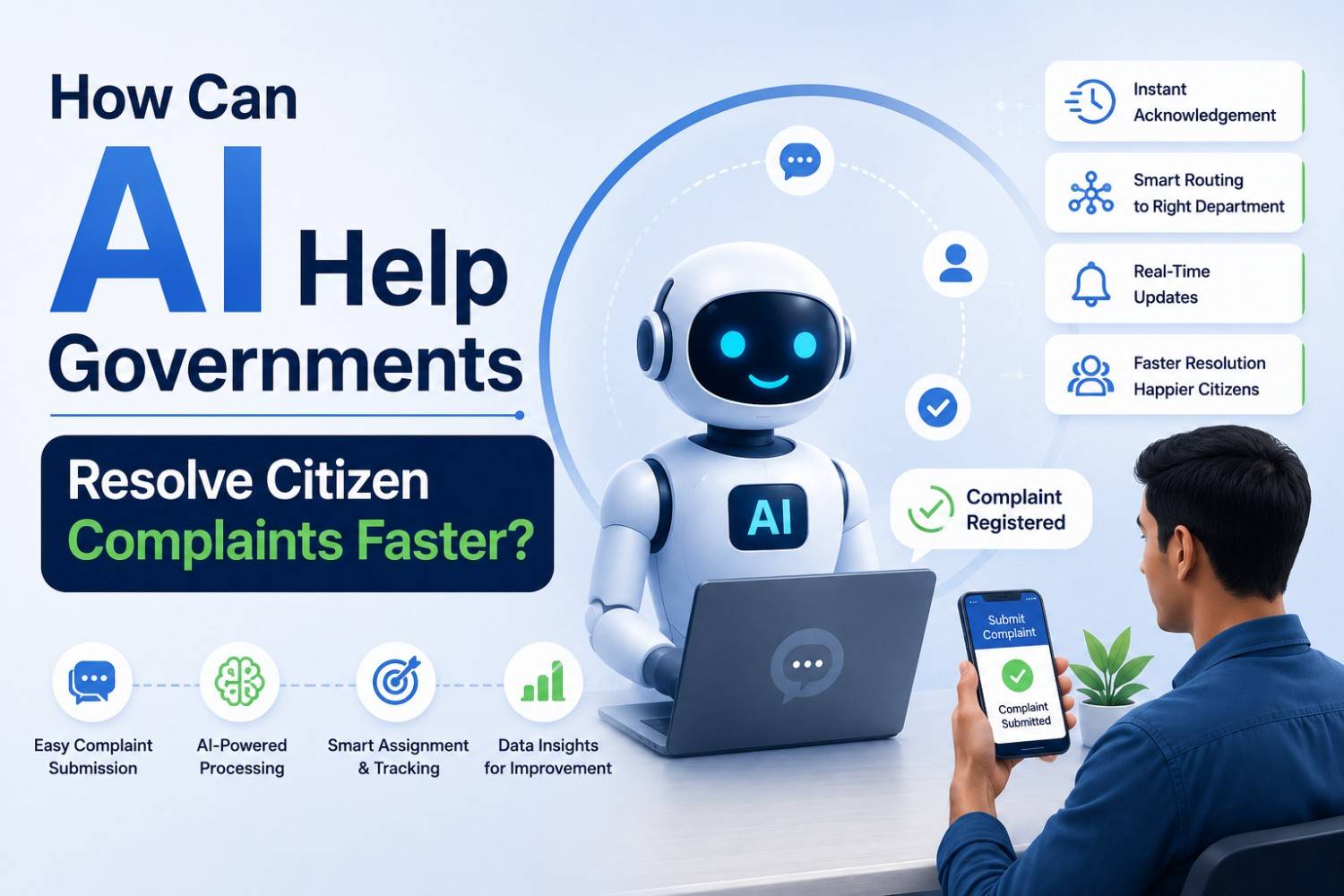
- Complaint management
- Social welfare processing
Domestic AI systems can be customized to local regulations and service workflows.
Preservation of Language and Culture
Many global AI models perform poorly in regional languages or local administrative terminology.
Sovereign AI enables governments to build models that understand:
- Regional dialects
- Indigenous languages
- Local legal terminology
- Government forms
- Administrative procedures
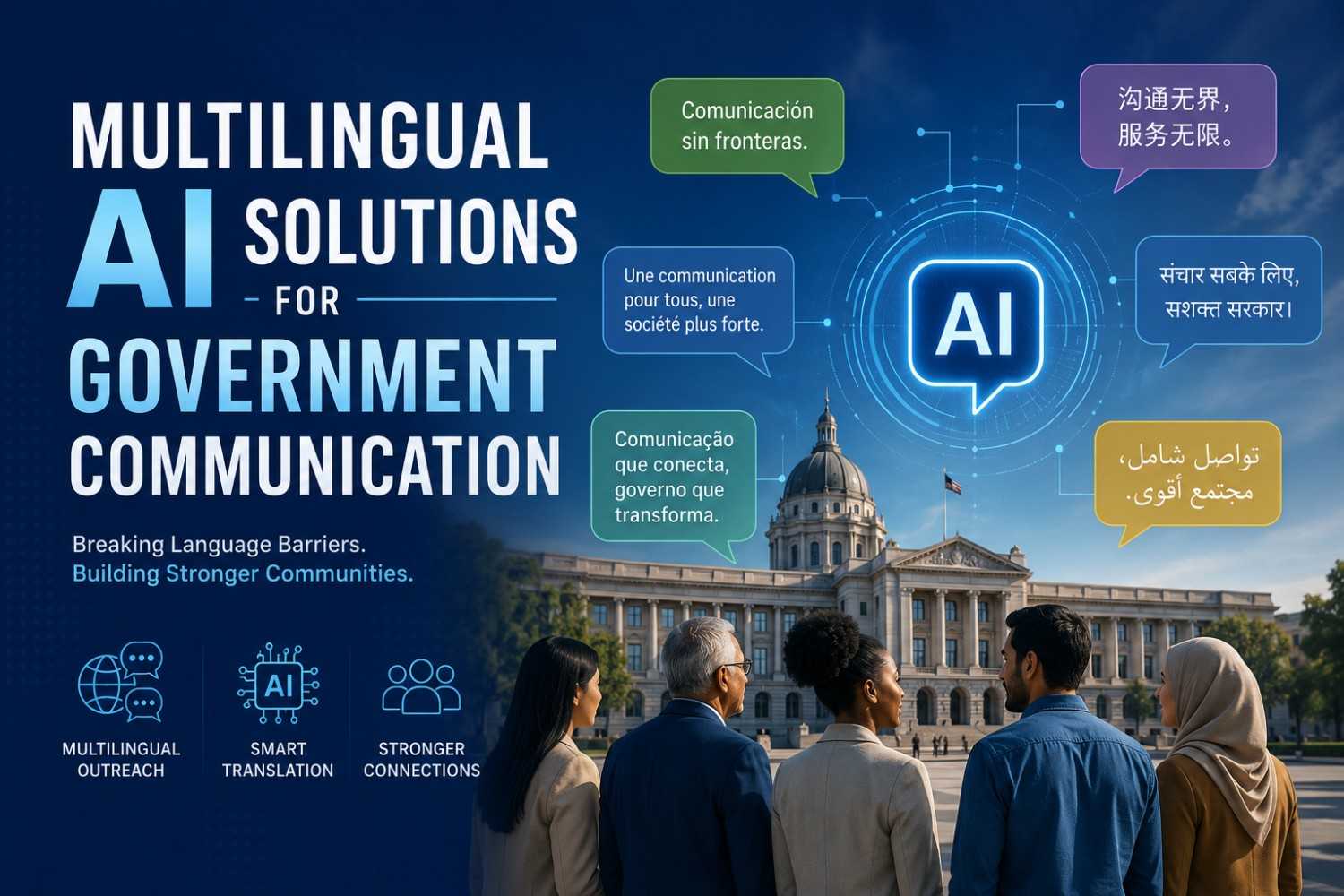
This improves accessibility for diverse populations.
Economic Development
Investing in Sovereign AI strengthens domestic innovation by supporting:
- Local startups
- Universities
- AI research
- Semiconductor initiatives
- Cloud infrastructure
- Skilled workforce development
The result is a stronger national AI ecosystem rather than increased dependence on imports.
Real-World Government Use Cases
AI-powered solutions are helping governments improve efficiency, accessibility, and citizen experiences.
Intelligent Citizen Service Portals
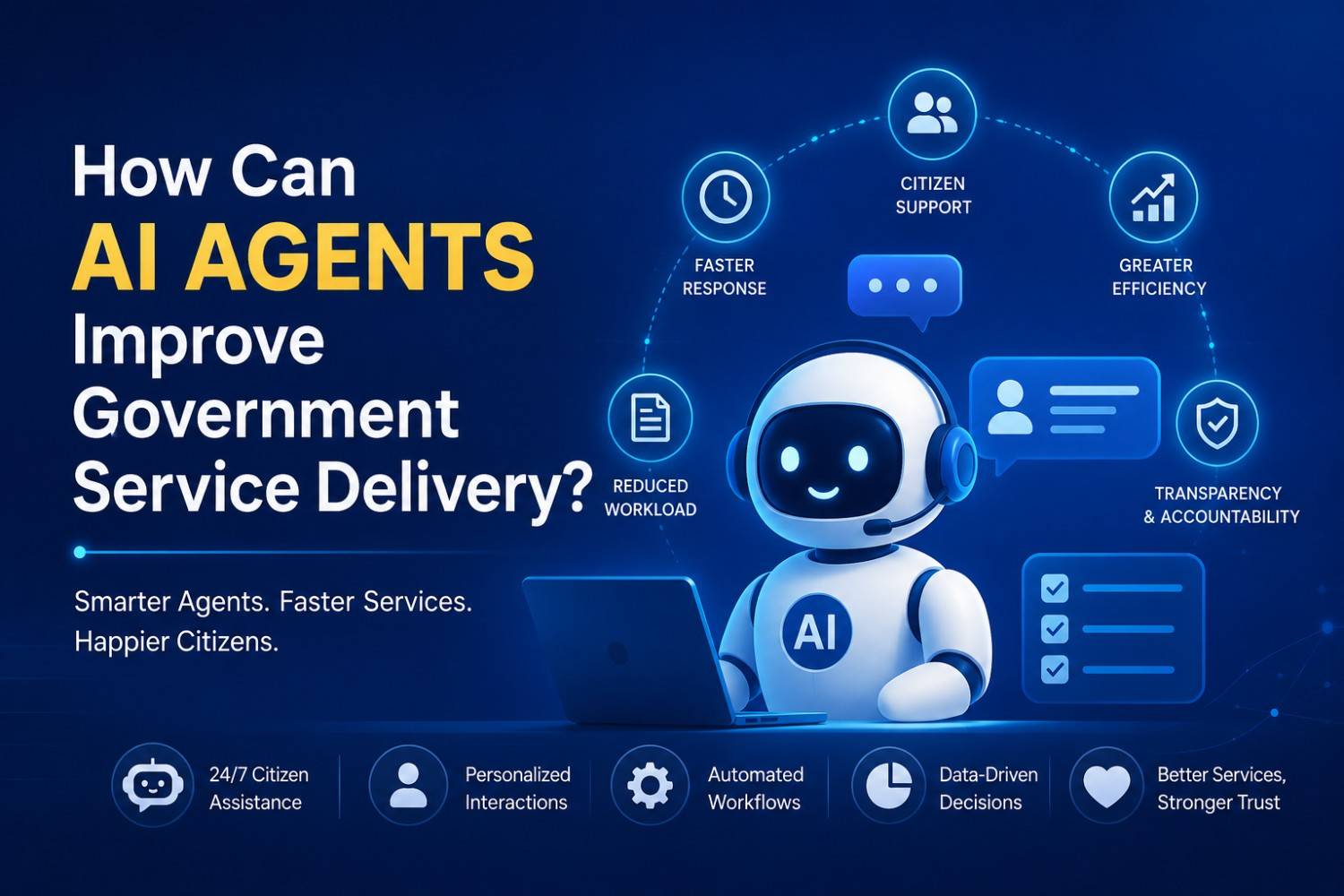
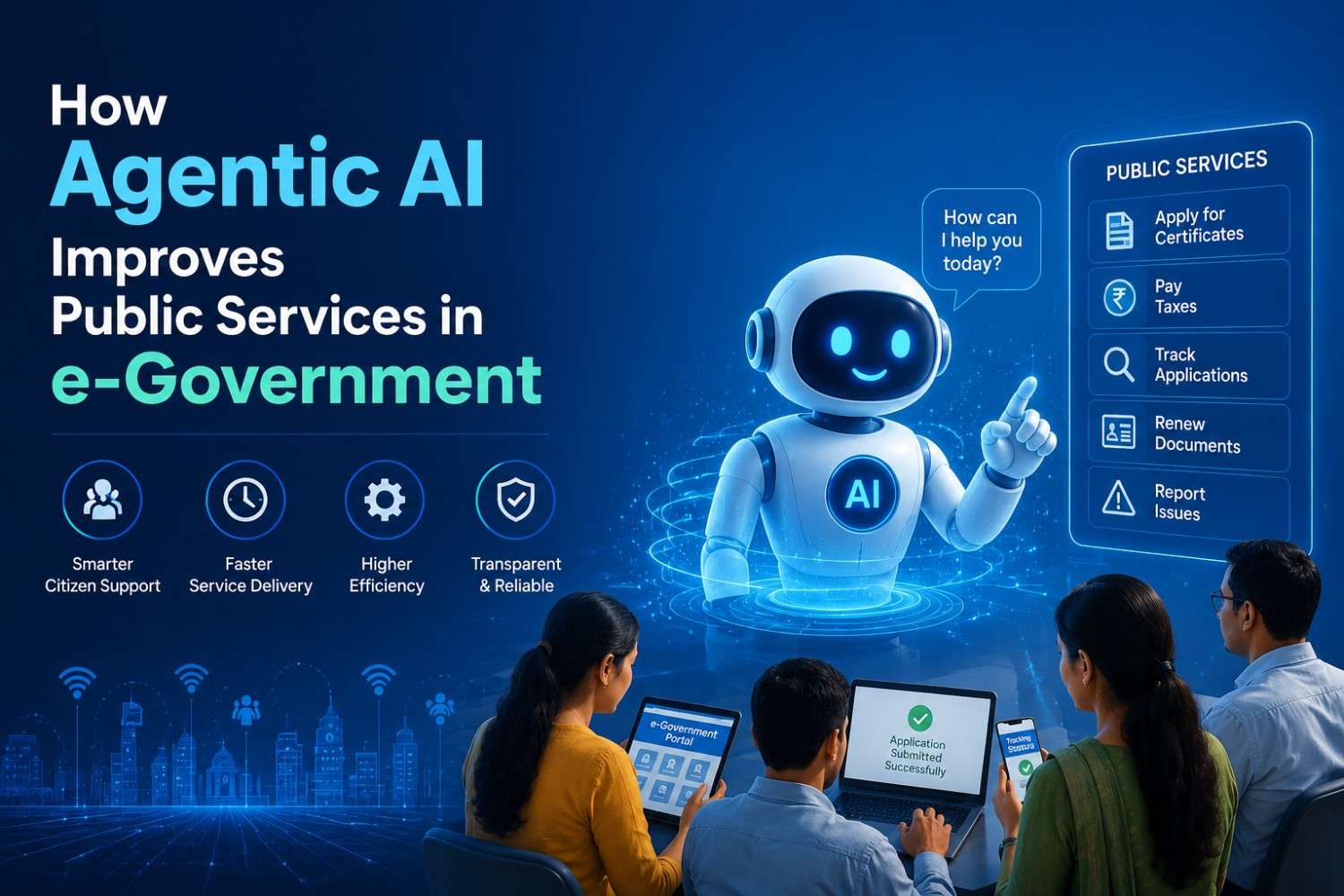
AI assistants can answer citizen queries 24/7 regarding:
- Licenses
- Taxes
- Schemes
- Certificates
- Utility services
These systems reduce response times while improving citizen satisfaction.
AI-Assisted Policy Analysis
Governments process massive volumes of reports every day.
Sovereign AI can:
- Summarize policy documents
- Compare legislation
- Identify trends
- Forecast impacts
- Support evidence-based decision-making
Human experts remain responsible for final decisions.
Healthcare Intelligence
Governments can securely analyze:
- Disease outbreaks
- Hospital capacity
- Medical records
- Vaccination campaigns
Without exposing sensitive patient information externally.
Disaster Management
AI can support:
- Flood prediction
- Wildfire monitoring
- Earthquake response
- Resource allocation
- Emergency communication
When powered by domestic infrastructure, the response remains available during international disruptions.
Judicial and Legal Assistance
Courts can use AI for:
- Legal document search
- Case summarization
- Judgment recommendations
- Evidence organization
While judges retain complete authority over legal decisions.
Challenges in Building Sovereign AI
Despite its benefits, Sovereign AI requires substantial investment.
Infrastructure Costs
Training advanced AI models demands:
- GPUs
- Data centers
- High-speed networking
- Energy infrastructure
These investments are significant but strategic.
Skilled Talent
Countries need experts in:
- Machine learning
- Cybersecurity
- Data engineering
- AI governance
- Cloud computing
- Public administration
Building this workforce takes time.
Data Quality
Government datasets are often:
- Fragmented
- Outdated
- Duplicated
- Stored in incompatible formats
Data modernization is essential before deploying AI effectively.
Responsible AI Governance
Governments must establish clear policies covering:
- Ethical AI
- Transparency
- Human oversight
- Security testing
- Bias detection
- Regulatory compliance
Technology alone cannot solve governance challenges.
Technologies Used in Sovereign AI
Sovereign AI relies on a combination of advanced AI, secure infrastructure, and cybersecurity technologies to ensure governments retain control over their data, AI models, and digital services. Some of the most important technologies include:
|
Technology |
How It Is Used in Sovereign AI |
|
Large Language Models (LLMs) |
Power intelligent chatbots, document analysis, and knowledge management systems for government agencies. |
|
Machine Learning (ML) |
Enables predictive analytics, fraud detection, and data-driven decision-making. |
|
Natural Language Processing (NLP) |
Helps AI understand government documents, citizen requests, and regional languages. |
|
Generative AI |
Assists in generating reports, policy drafts, summaries, and automated responses. |
|
Agentic AI |
Automates complex government workflows by planning, reasoning, and completing multi-step tasks with minimal human intervention. |
|
Computer Vision |
Supports facial recognition, border security, traffic monitoring, document verification, and surveillance systems. |
|
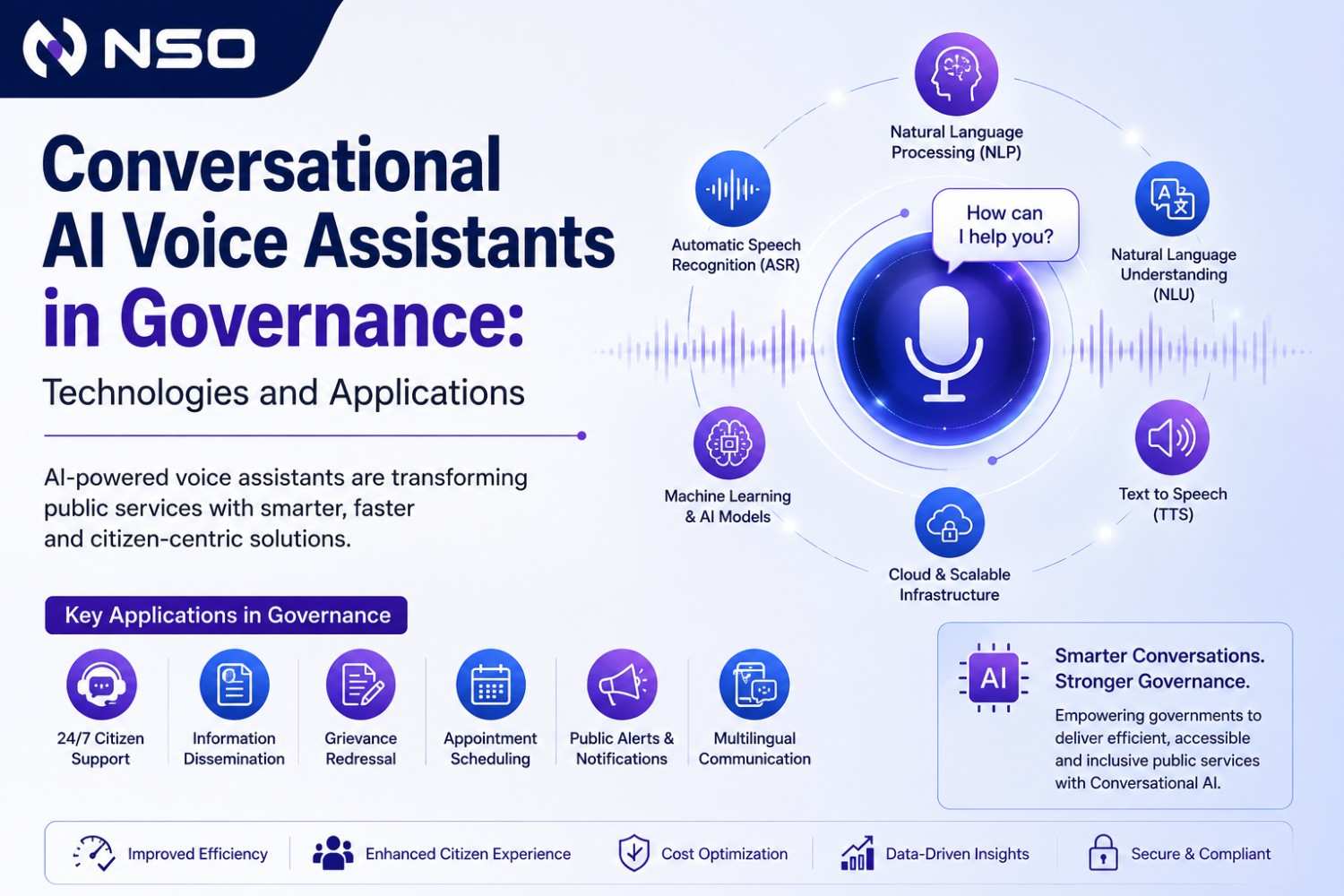
Speech-to-Text (STT) |
Converts spoken language into text for voice-enabled citizen services and multilingual communication. |
|
Text-to-Speech (TTS) |
Delivers natural voice responses for digital assistants, helplines, and accessibility services. |
|
Speech-to-Speech AI |
Enables real-time multilingual voice translation and communication between citizens and government departments. |
|
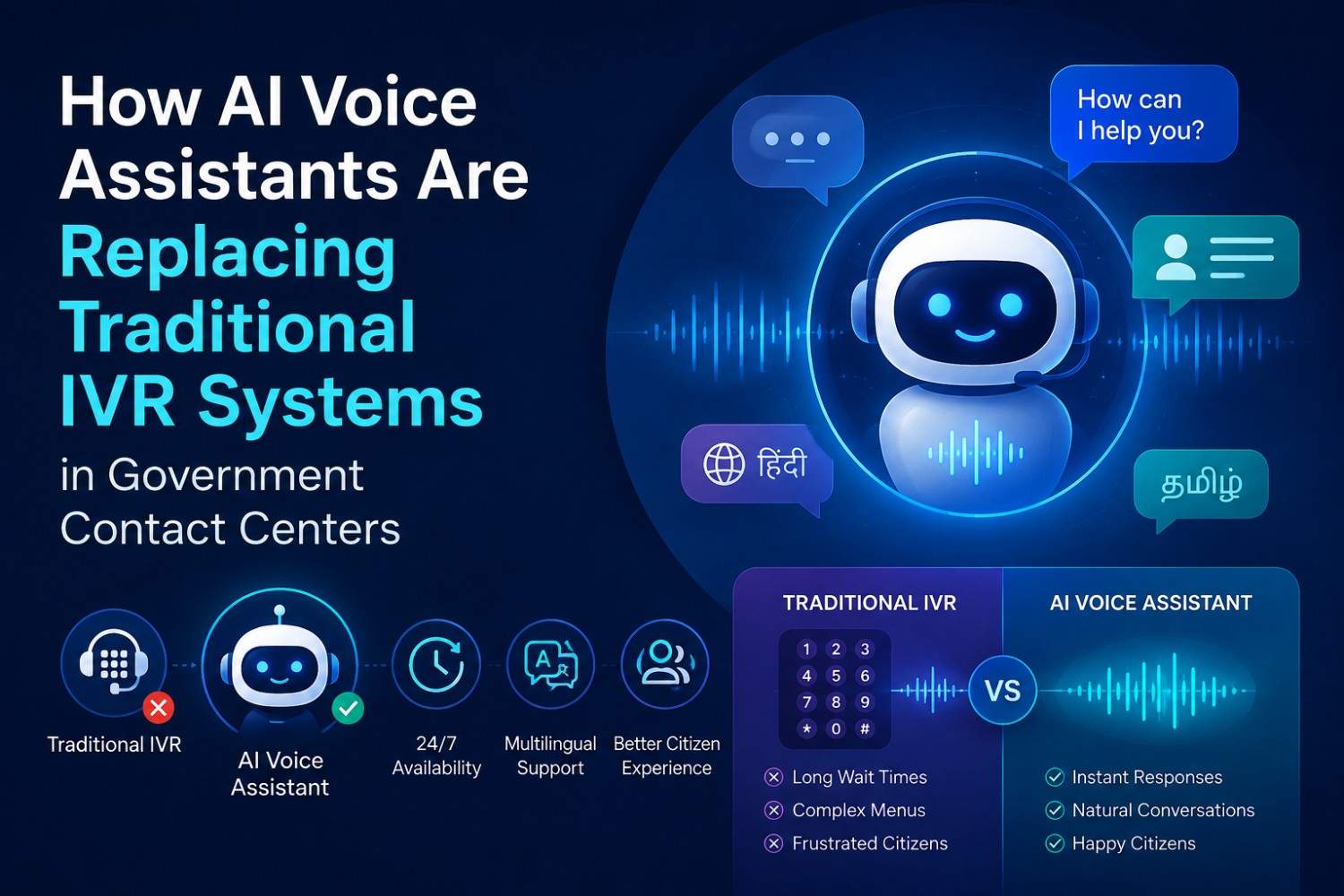
AI Voice Assistants |
Provide 24/7 automated support for public inquiries, emergency services, and government contact centers. |
|
Retrieval-Augmented Generation (RAG) |
Improves AI accuracy by retrieving information from trusted government databases before generating responses. |
Together, these technologies create a secure, compliant, and nationally controlled AI ecosystem that supports trusted digital governance while protecting sensitive government and citizen data.
Why Technology Partners Matter
Developing Sovereign AI requires expertise across AI engineering, secure infrastructure, data governance, compliance, and public-sector workflows. Governments often work with experienced technology partners to design scalable AI solutions that align with national regulations while protecting sensitive information.
Organisations specialising in AI platforms, multilingual language technologies, conversational AI, secure cloud deployment, and government-focused automation can accelerate Sovereign AI initiatives without compromising security or regulatory compliance.
Conclusion
Sovereign AI represents more than a technological trend, it is a strategic investment in national capability. As governments increasingly depend on AI to deliver public services, manage critical infrastructure, and protect citizen data, maintaining control over AI systems becomes essential.
A well-designed Sovereign AI strategy enables governments to improve service delivery, strengthen cybersecurity, preserve data sovereignty, support local innovation, and build public trust. Rather than replacing existing digital systems, it creates a secure foundation for the next generation of government services.
Organisations like Nova Strategic Operations (NSO) help public-sector organisations build secure, scalable AI solutions tailored to government requirements. From multilingual AI assistants and intelligent automation to AI-powered citizen service platforms, NSO supports digital transformation initiatives that prioritise security, compliance, and long-term sustainability.
Ready to explore secure AI solutions for government? Contact Nova Strategic Operations today to discover how Sovereign AI can modernize public services while keeping national data protected.
Frequently Asked Questions (FAQs)
1. What is Sovereign AI?
Sovereign AI is an AI ecosystem where a nation controls its AI infrastructure, data, computing resources, governance policies, and deployment to ensure compliance with domestic laws and national security requirements.
2. Why is Sovereign AI important for governments?
It helps governments protect sensitive citizen data, reduce dependence on foreign AI providers, strengthen cybersecurity, comply with national regulations, and maintain operational continuity for critical public services.
3. How is Sovereign AI different from public AI platforms?
Public AI platforms are generally owned and managed by private companies, while Sovereign AI is developed or governed under national control with a focus on data sovereignty, transparency, and regulatory compliance.
4. Which government sectors can benefit most from Sovereign AI?
Healthcare, taxation, public safety, judiciary, transportation, agriculture, defense, education, social welfare, and citizen service departments can all benefit from Sovereign AI solutions.
5. Does Sovereign AI require governments to build their own AI models?
Not necessarily. Governments may develop their own models, adapt open-source models, or work with trusted technology partners while ensuring national control over data, deployment, and governance.
6. What are the biggest challenges in implementing Sovereign AI?
Major challenges include infrastructure investment, access to high-performance computing, skilled AI talent, high-quality government data, cybersecurity, and establishing effective AI governance frameworks.
7. Can Sovereign AI support regional and local languages?
Yes. One of its key advantages is enabling AI systems trained on local languages, dialects, administrative terminology, and cultural context, improving accessibility and service quality.
8. How does Sovereign AI improve citizen trust?
By ensuring transparent AI governance, secure handling of personal data, compliance with privacy laws, and human oversight in critical decisions, Sovereign AI helps build confidence in digital government services.

.png)

.png)
.png)
.png)
.png)
_(1).png)
.png)