

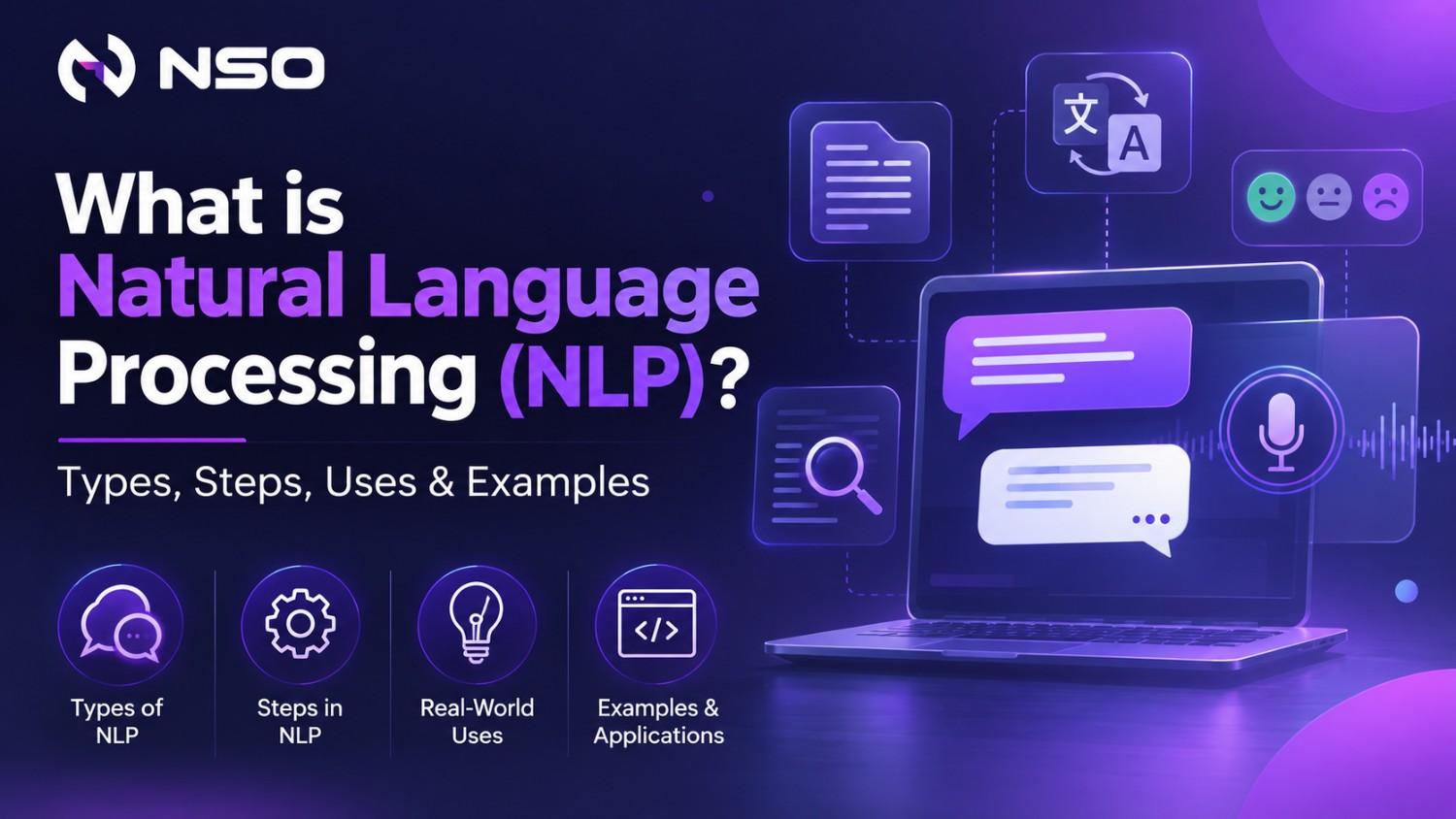

Every time you ask a voice assistant a question, translate a message, search for a product, or chat with customer support, Natural Language Processing (NLP) may be working behind the scenes. It enables computers to process human language and turn words, sentences and speech into useful information.
As a core area of artificial intelligence (AI), NLP helps businesses analyse communication, automate repetitive language-based tasks and build more natural digital experiences. From healthcare and finance to e-commerce and government services, NLP is becoming an important technology for working with large volumes of human-generated data.
But what exactly is NLP, how does it work, and where is it used? Let’s explore it step by step.
What Is Natural Language Processing?
Natural Language Processing (NLP) is a branch of artificial intelligence that enables computers to process, understand, interpret and generate human language. It combines AI, machine learning and linguistics to analyse text and speech, identify meaning and context, and perform tasks such as translation, sentiment analysis, summarisation, search and conversational assistance.
In simple terms, NLP helps computers work with language in a way that is useful to people. Instead of treating words as isolated pieces of data, NLP systems can analyse sentences, identify patterns and extract information from written or spoken communication.
For example, when a customer writes, “My order still hasn’t arrived,” an NLP system can identify the subject of the message, understand that it relates to an order and recognise that the customer may be reporting a delivery problem.
How Does Natural Language Processing Work?
Although modern NLP systems can be highly sophisticated, the basic process can be understood in four stages:
- Input: The system receives human language as text or speech.
- Processing: The language is cleaned, broken down and analysed to identify words, patterns, entities and relationships.
- Understanding: NLP models use linguistic and contextual information to determine meaning, intent or sentiment.
- Response or action: The system produces an answer, classification, recommendation, translation or another useful result.
Modern NLP increasingly uses machine learning and deep learning models to understand context rather than relying solely on fixed linguistic rules.
What Is Natural Language Processing in AI?
NLP is a specialised area of AI focused specifically on human language. AI is the broader field concerned with building systems that can perform tasks that normally require human intelligence, while machine learning is one approach used to help AI systems learn patterns from data.
A simple way to understand the relationship is:
- Artificial Intelligence: The broader field of intelligent computer systems.
- Machine Learning: A method that allows systems to learn patterns from data.
- Natural Language Processing: An AI field focused on understanding and generating human language.
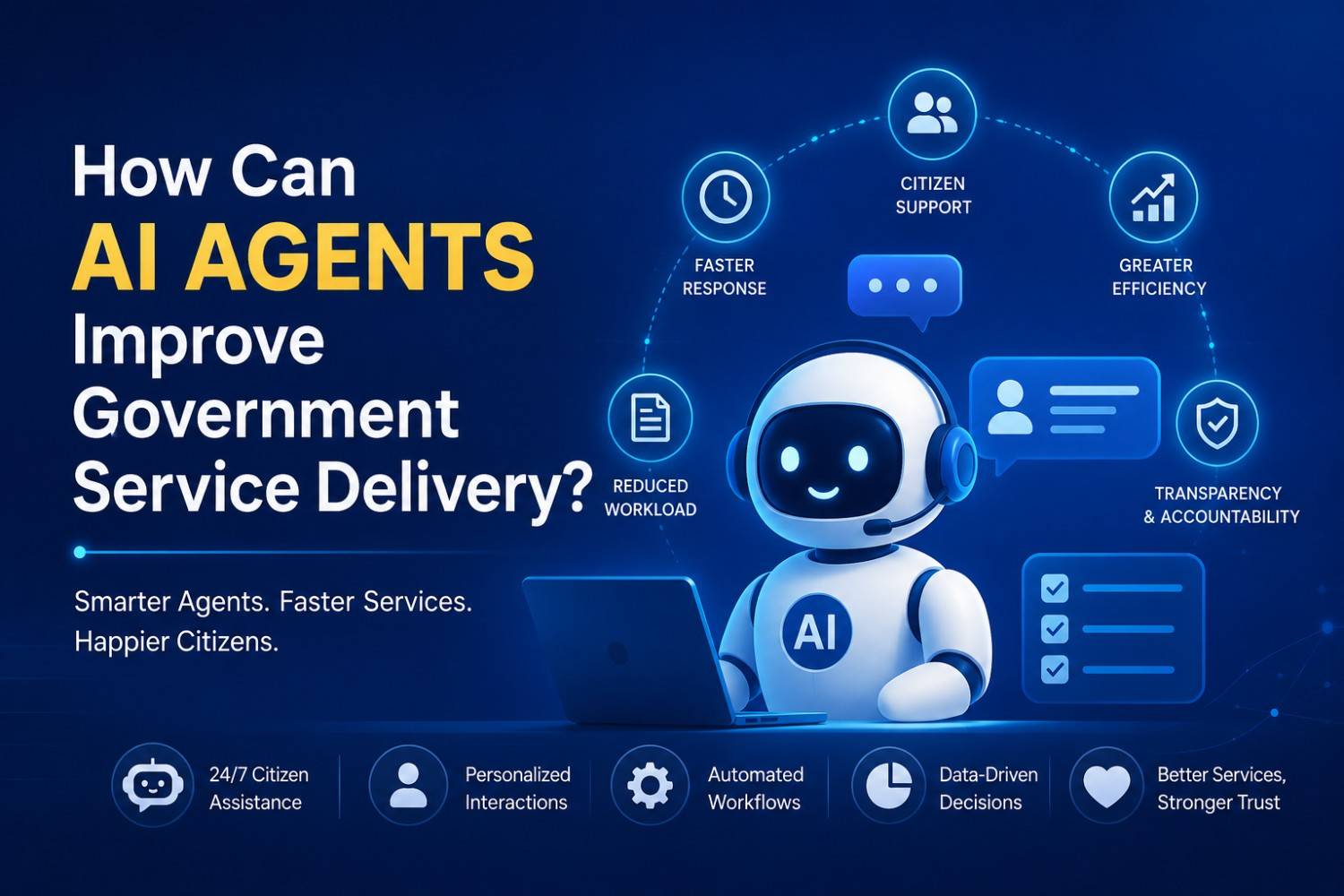
AI applications use NLP to process both written and spoken communication. For instance, a customer-service chatbot can use NLP to understand a customer's question, determine their intent and provide an appropriate response.
NLP can also work alongside technologies such as speech recognition, computer vision, knowledge bases and generative AI to create more capable applications.
Types of Natural Language Processing
NLP covers several related capabilities. Three important areas are Natural Language Understanding, Natural Language Generation and speech-focused language processing.
1. Natural Language Understanding (NLU)
Natural Language Understanding (NLU) focuses on helping computers understand the meaning and context of human language.
An NLU system may identify:
- User intent
- Named entities such as people, organisations and locations
- Relationships between words
- Sentiment or emotional tone
- Context within a conversation
For example, if someone asks, “Can I change the delivery address for my order?”, NLU can help identify the intent as an order or delivery-address request.
2. Natural Language Generation (NLG)
Natural Language Generation (NLG) focuses on producing human-readable language from structured data, information or system outputs.
NLG can be used to create:
- Automated reports
- Product descriptions
- Conversational responses
- Summaries
- Notifications
- Business insights written in natural language
Generative AI has expanded the capabilities of NLG by enabling systems to create more flexible and context-aware responses.
3. Natural Language Processing for Speech
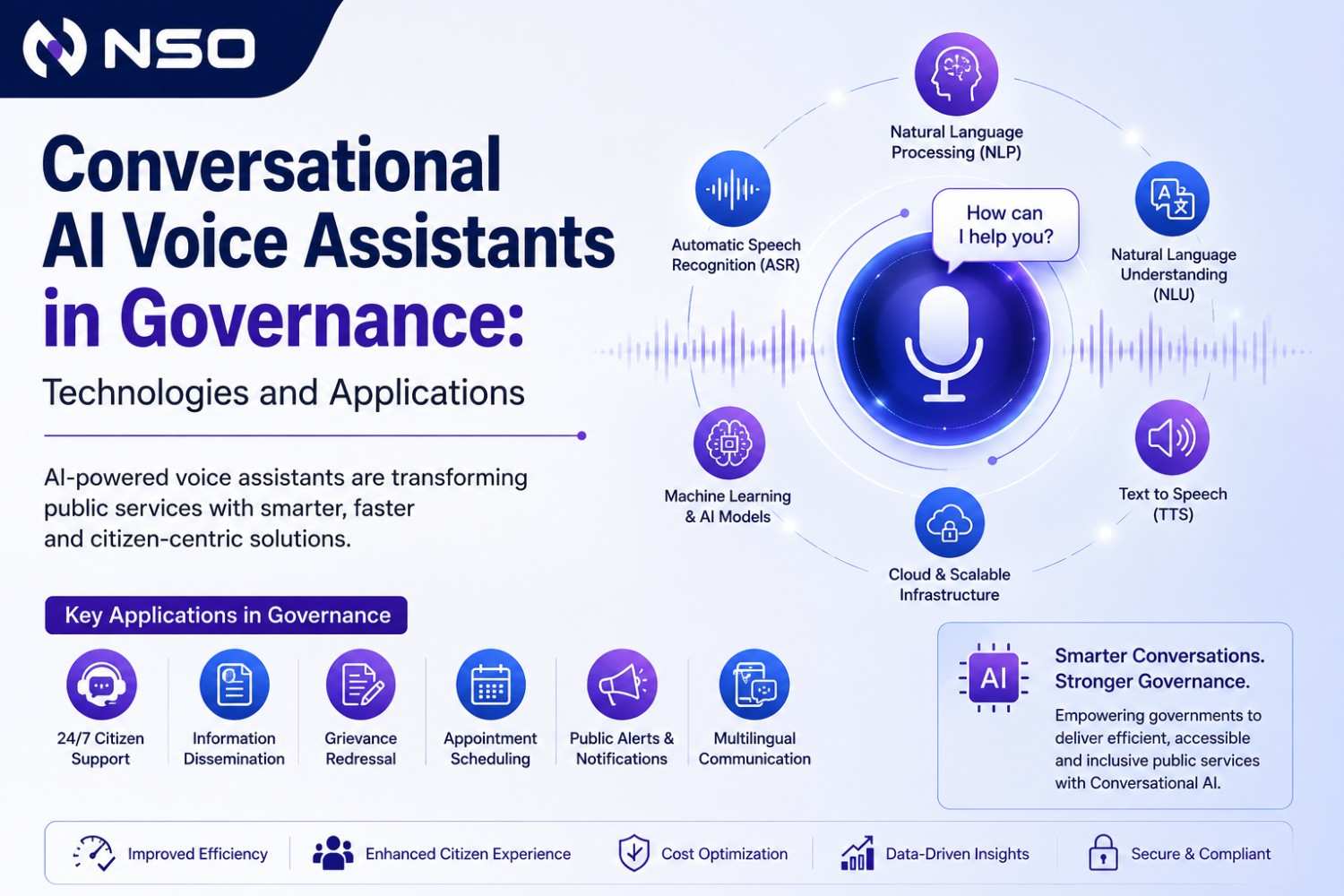
Speech focused NLP processes spoken language and converts it into information that software can understand and use.
A typical voice interaction may involve:
Speech → Speech recognition → Language processing → Understanding → Response
This capability supports voice assistants, automated customer-service systems, meeting transcription, accessibility tools and multilingual voice applications.
What Are the Uses of Natural Language Processing?
NLP can support a wide range of language-related business and consumer applications.
Text Classification
NLP can automatically categorise text according to its subject, intent or other characteristics. Businesses can use it to classify customer enquiries, support tickets, documents and emails.
Sentiment Analysis
Sentiment analysis examines language to identify whether a piece of text expresses a positive, negative or neutral sentiment. It can help organisations understand customer feedback, reviews and social media conversations.
Language Translation
NLP helps software translate content between languages. Modern translation systems can consider context and sentence structure rather than translating each word independently.
Speech Recognition
Speech recognition converts spoken language into text or another machine-readable format. It is commonly used in voice assistants, transcription tools and contact-centre applications.
Text Summarisation
NLP can identify important information within lengthy documents and produce shorter summaries. This can help employees review reports, articles, emails and other content more efficiently.
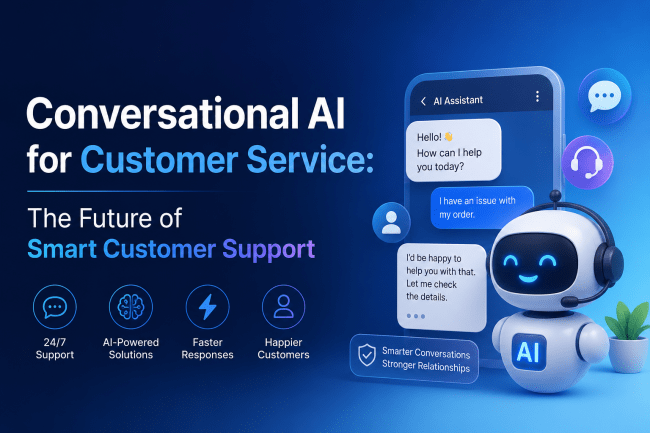
Chatbots and Virtual Assistants
NLP allows conversational systems to interpret questions and respond to users. Businesses can use conversational AI for customer support, lead qualification, internal assistance and information retrieval.
Information Extraction
NLP can extract specific information from unstructured text, such as names, dates, organisations, locations, invoice details or other relevant entities.
Search and Recommendations
Search engines can use NLP to understand the intent behind a query instead of simply matching individual keywords. E-commerce platforms can also use language data to improve product discovery and recommendations.
Spam Detection
NLP can identify patterns associated with unwanted emails, messages or other forms of communication, helping organisations filter potentially irrelevant or suspicious content.
Content Generation
NLP-based systems can generate drafts, summaries, descriptions and other forms of text from prompts, data or structured information. Human review remains important where accuracy, context or regulatory requirements are critical.
Natural Language Processing Applications
NLP has applications across many industries because businesses generate and process enormous amounts of language-based information every day.
NLP in Healthcare
Healthcare organisations handle clinical notes, reports, patient communications and other text-heavy information. NLP can assist with:
- Medical document analysis
- Clinical note processing
- Patient communication
- Information extraction from healthcare records
- Search across large collections of documents
In healthcare, NLP systems should be designed with appropriate privacy, security, accuracy and human oversight because language-based outputs can involve sensitive information and important decisions.
NLP in Finance
Financial organisations process documents, customer communications, market information and large amounts of textual data. NLP can support:
- Document processing
- Fraud-related text analysis
- Financial sentiment analysis
- Customer-service automation
- Regulatory and compliance document review
By reducing the amount of manual text processing, NLP can help financial teams spend more time on analysis and decision-making.
NLP in E-commerce
E-commerce businesses can use NLP to make online shopping more intuitive and personalised. Common applications include:
- Product search
- Customer-review and sentiment analysis
- Personalised recommendations
- Product categorisation
- Conversational shopping assistants
- Customer-support automation
For example, a shopper searching for “lightweight running shoes for rainy weather” expects a search system to understand the meaning behind the query, rather than simply matching the exact words.
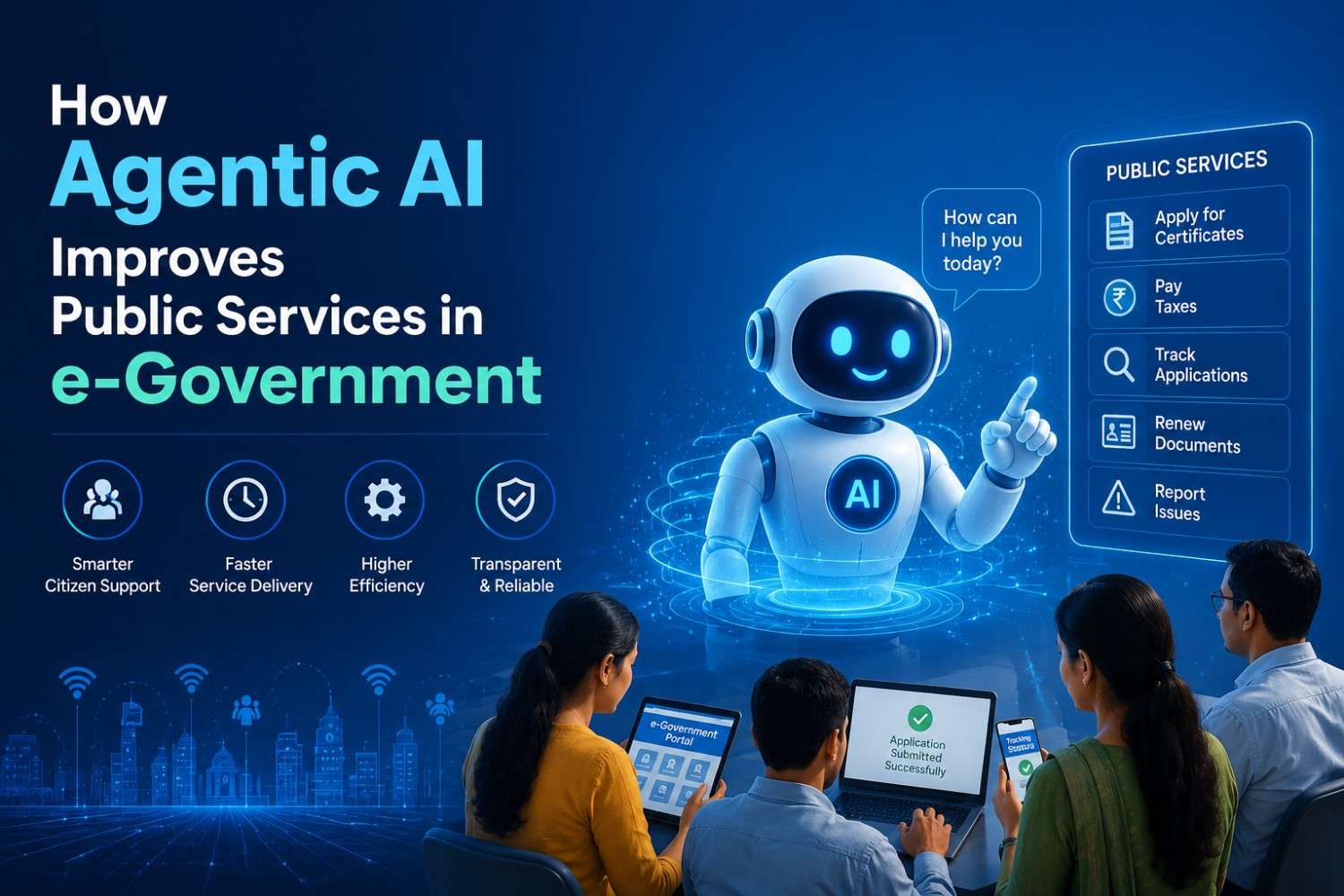
NLP in Government
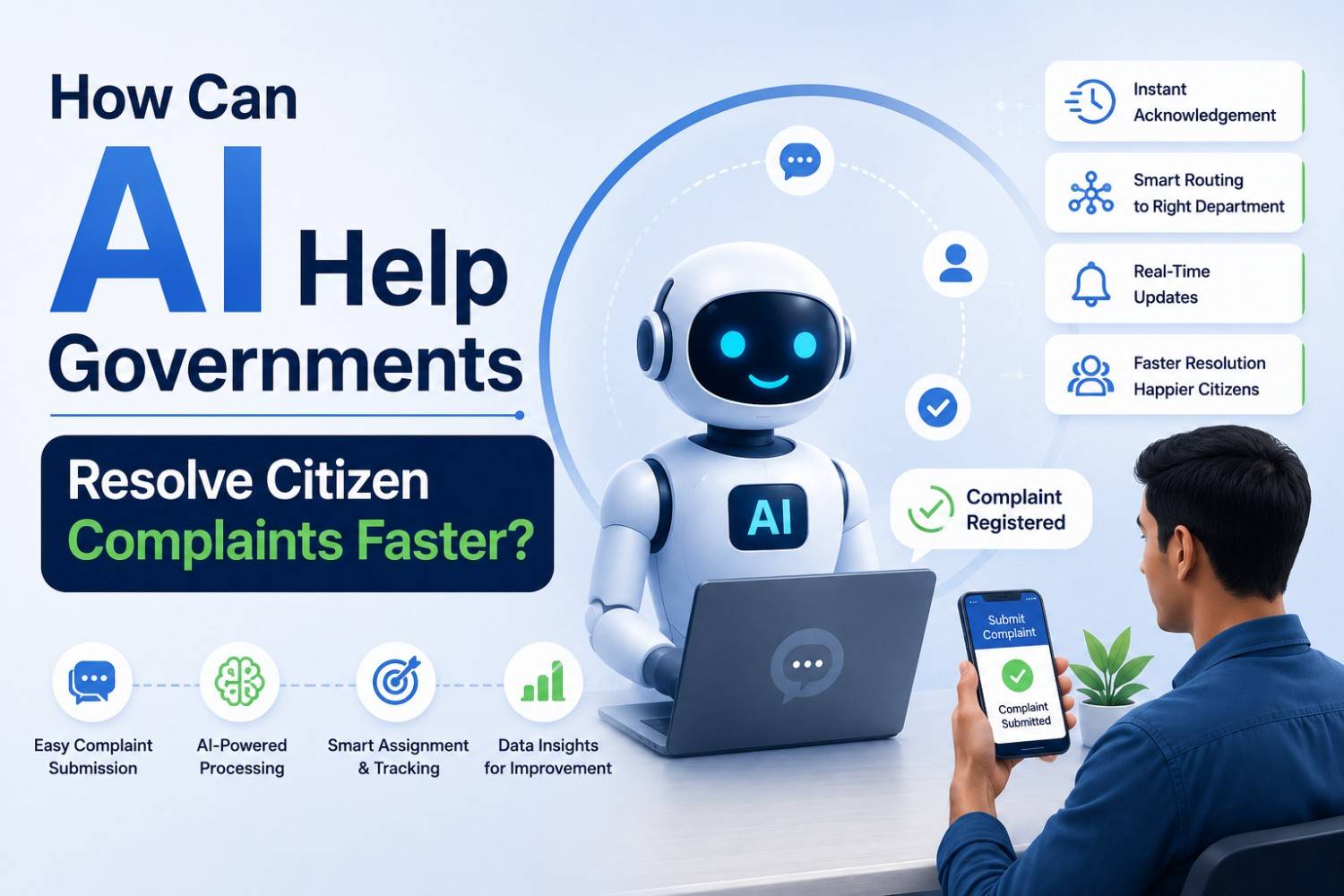
Government departments deal with citizen enquiries, forms, complaints, policies and large document collections. NLP can support:
- Citizen complaint classification
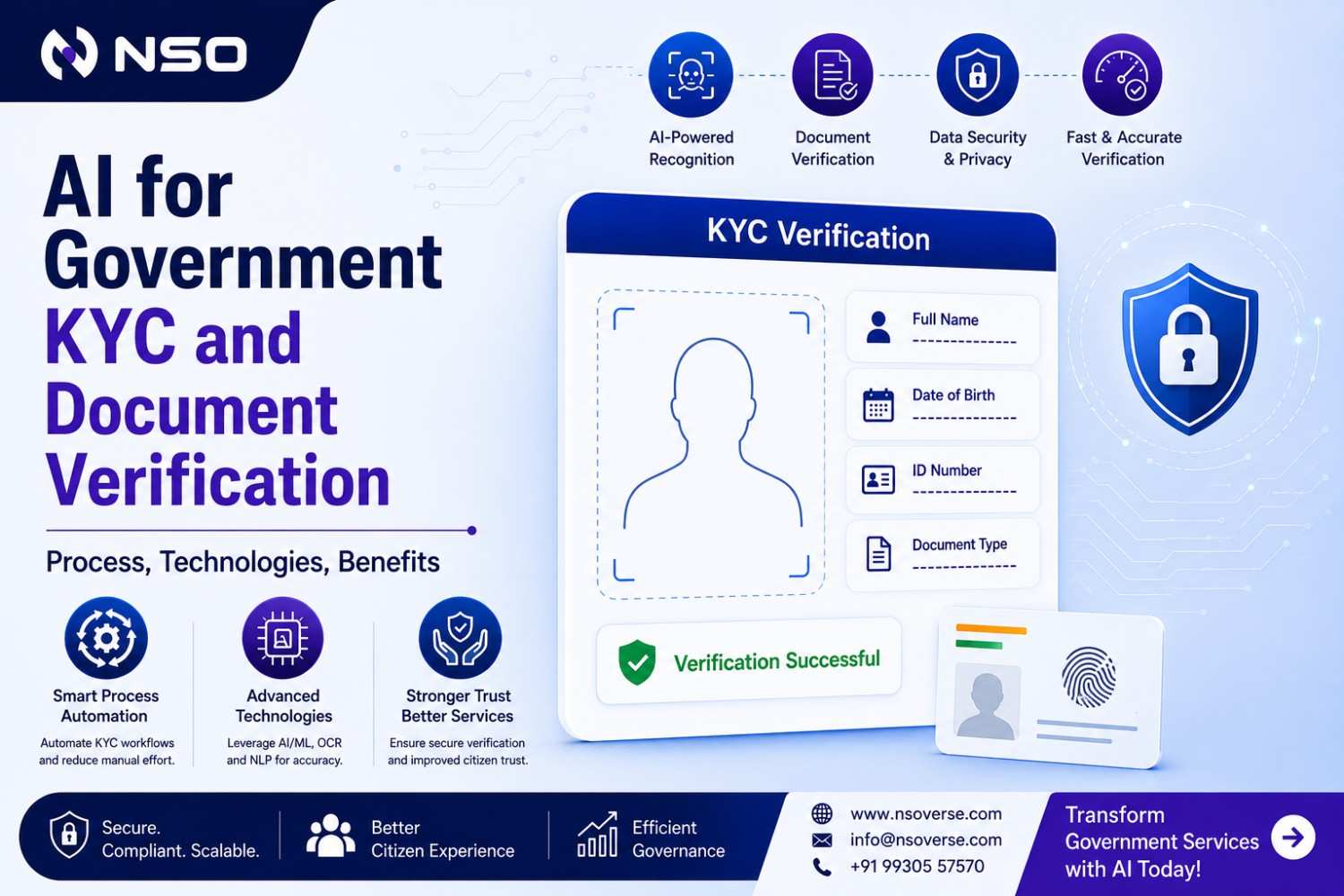
- Document processing
- Public-service chatbots
- Information retrieval
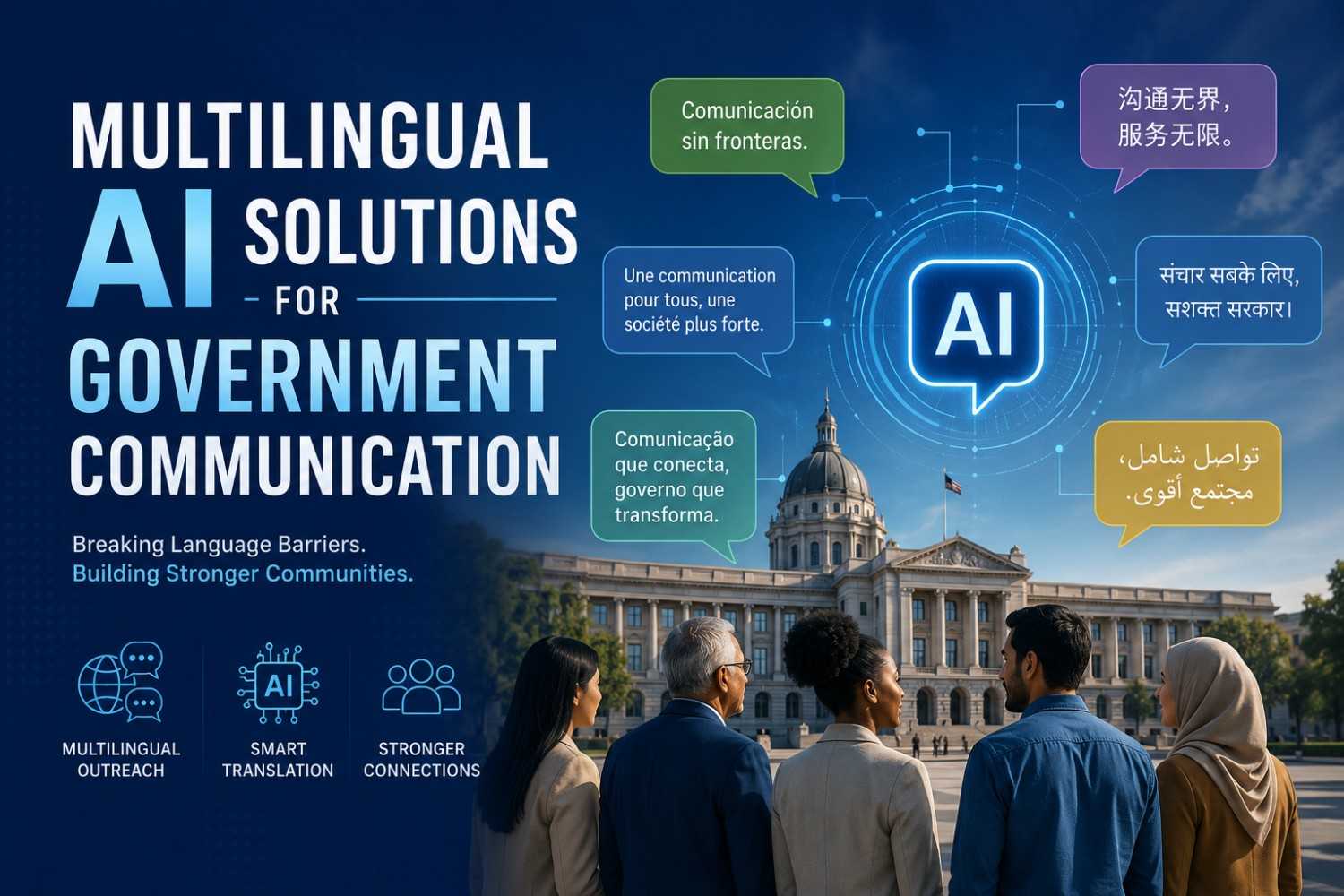
- Multilingual communication
- Citizen enquiry routing
When implemented responsibly, NLP can help public-sector organisations handle large volumes of communication while making information easier for citizens to access.
Benefits of Natural Language Processing
NLP provides several practical benefits for organisations:
Automates Language-Based Tasks
NLP can automate repetitive activities such as classifying messages, extracting information, summarising documents and routing customer enquiries.
Processes Large Amounts of Text Quickly
Businesses can generate huge volumes of emails, reviews, documents and support conversations. NLP helps analyse this information at a scale that would be difficult to achieve manually.
Improves Customer Experiences
NLP-powered chatbots, search systems and virtual assistants can help customers find information and receive support more quickly.
Makes Information Easier to Find
NLP can improve search and information retrieval by helping systems understand the intent and context behind natural-language queries.
Supports Better Decision-Making
Analysing customer feedback, documents and other text-based data can provide organisations with insights that support business decisions.
Reduces Manual Data Processing
Automating document and text analysis can reduce repetitive administrative work and allow employees to focus on higher-value activities.
Natural Language Processing Examples in Everyday Life
You may already interact with NLP several times a day without realising it.
Examples include:
- Voice assistants: Understanding spoken questions and commands.
- Search engines: Interpreting the meaning behind search queries.
- Email applications: Detecting spam and suggesting responses.
- Translation tools: Converting text from one language into another.
- Customer service chatbots: Understanding questions and providing responses.
- Smartphone keyboards: Predicting words and correcting text.
- Streaming and shopping platforms: Using language and behavioural information to improve recommendations.
These examples demonstrate that NLP is no longer limited to research laboratories. It is already integrated into many digital experiences.
Conclusion
Natural Language Processing enables computers to work with human language across text and speech. By combining AI, machine learning and linguistics, NLP can help systems understand language, extract information, generate responses and automate communication-based tasks.
Nova Strategic Operations (NSO) helps businesses unlock the potential of NLP through custom AI solutions, conversational AI, intelligent automation, AI chatbots and language-processing applications tailored to their specific business needs. Whether you want to automate customer support, analyse large volumes of text or build an AI-powered application, NSO can help turn your ideas into practical solutions.
Ready to make your business smarter with NLP and AI? Talk to us today and explore the right AI solution for your business.
Frequently Asked Questions
1. What is Natural Language Processing in simple words?
Natural Language Processing is a branch of AI that helps computers understand, analyse and generate human language in text and speech.
2. What are the main types of Natural Language Processing?
The main areas include Natural Language Understanding (NLU), Natural Language Generation (NLG) and speech-focused language processing. These capabilities help systems interpret language and produce useful outputs.
3. What is NLP used for?
NLP is used for text classification, sentiment analysis, translation, speech recognition, summarisation, chatbots, information extraction, search, recommendations, spam detection and content generation.
4. What is the difference between NLP and AI?
AI is the broader field of creating systems capable of performing tasks associated with human intelligence. NLP is a specialised area of AI that focuses on processing and understanding human language.
5. Is NLP a type of machine learning?
NLP is not the same as machine learning. NLP is a field of AI, while machine learning is a method that can be used to build NLP systems. Modern NLP applications frequently use machine learning and deep learning techniques.
6. What are some real-world examples of NLP?
Common examples include voice assistants, search engines, translation tools, email spam filters, customer-service chatbots, predictive text and AI-powered recommendation systems.
7. How does NLP work with generative AI?
NLP provides many of the language-processing capabilities used by generative AI systems. Generative AI models can process prompts, understand language patterns and generate responses, summaries, code or other content.
8. Why is NLP important for businesses?
NLP helps businesses turn unstructured language into usable information, automate repetitive communication tasks, improve customer experiences and gain insights from documents, reviews, conversations and other text-based data

.png)



.png)

.png)
.png)
.png)
_(1).png)
.png)