

Imagine a customer visiting your website at midnight, looking for product information, pricing, or immediate support. Instead of waiting until business hours, they receive an instant, relevant response and can continue their journey without interruption. This is how AI chatbots are transforming customer communication and business operations.
An AI chatbot uses artificial intelligence, natural language processing (NLP), machine learning, and connected business systems to understand user queries and generate appropriate responses. From answering customer questions to qualifying sales leads and automating repetitive tasks, chatbots help businesses improve efficiency and deliver better customer experiences.
For companies in Mumbai and across India, understanding how AI chatbots work can help identify opportunities to automate operations, strengthen customer engagement, and scale digital services.
What Is an AI Chatbot?
An AI chatbot is a software application designed to communicate with users through text or voice. Unlike traditional rule-based bots that follow predefined scripts, AI-powered chatbots can interpret natural language, identify user intent, and generate responses based on available information.
Businesses use AI chatbot development to create solutions for customer support, sales, appointment scheduling, product recommendations, and internal employee assistance.
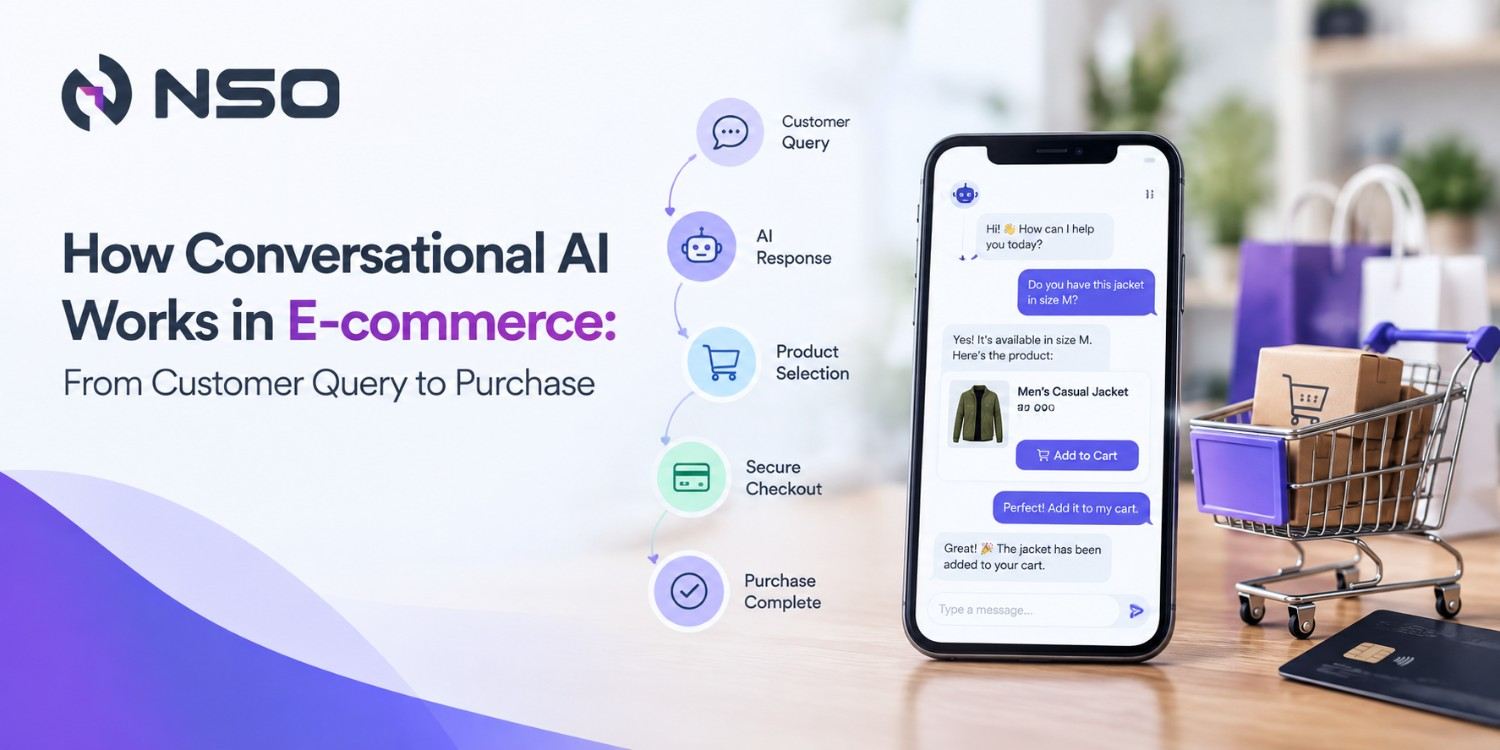
Example: An e-commerce customer asks, "Where is my order?" The chatbot identifies the tracking request, retrieves relevant information from the order management system, and provides an update without requiring a human support agent.
What Are the Main Types of Chatbots?
Different chatbot technologies serve different business requirements. The most common types include:
1. Rule-Based Chatbots
Rule-based chatbots follow predefined rules, buttons, and decision trees to answer specific questions. They work best when users need quick answers to predictable queries, such as business hours, pricing details, or service information.
2. AI-Powered Chatbots
AI-powered chatbots use natural language processing (NLP) and machine learning to understand user intent, recognize different expressions, and provide relevant responses. With conversational AI, they can manage natural, interactive conversations and handle varied questions without requiring users to follow a fixed conversation path.
3. Generative AI Chatbots
Generative AI chatbots use large language models (LLMs) to generate human-like responses, summarize information, answer complex questions, and manage more flexible conversations. When connected to reliable business data, they can provide responses tailored to specific products, services, and processes.
4. Voice Chatbots
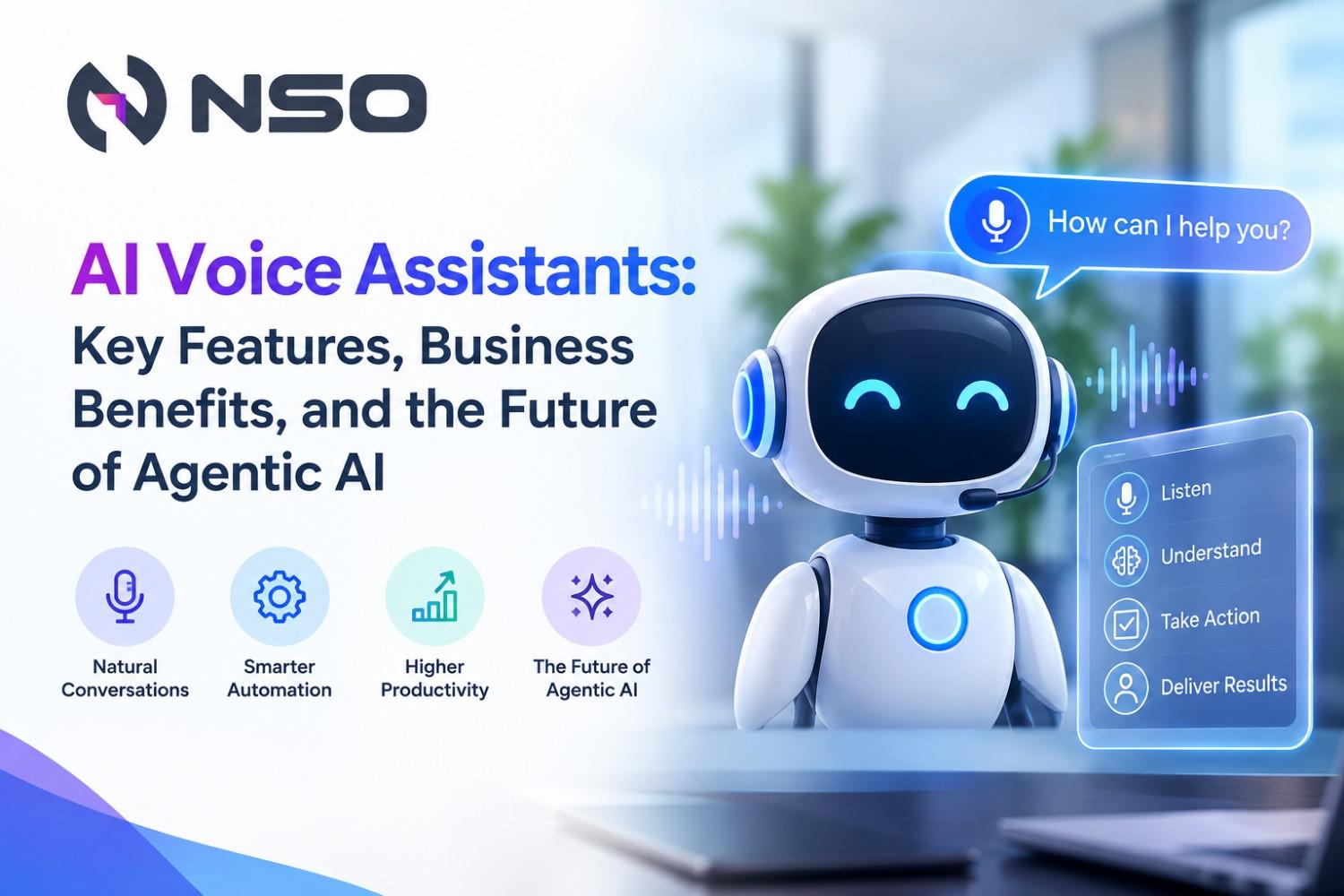
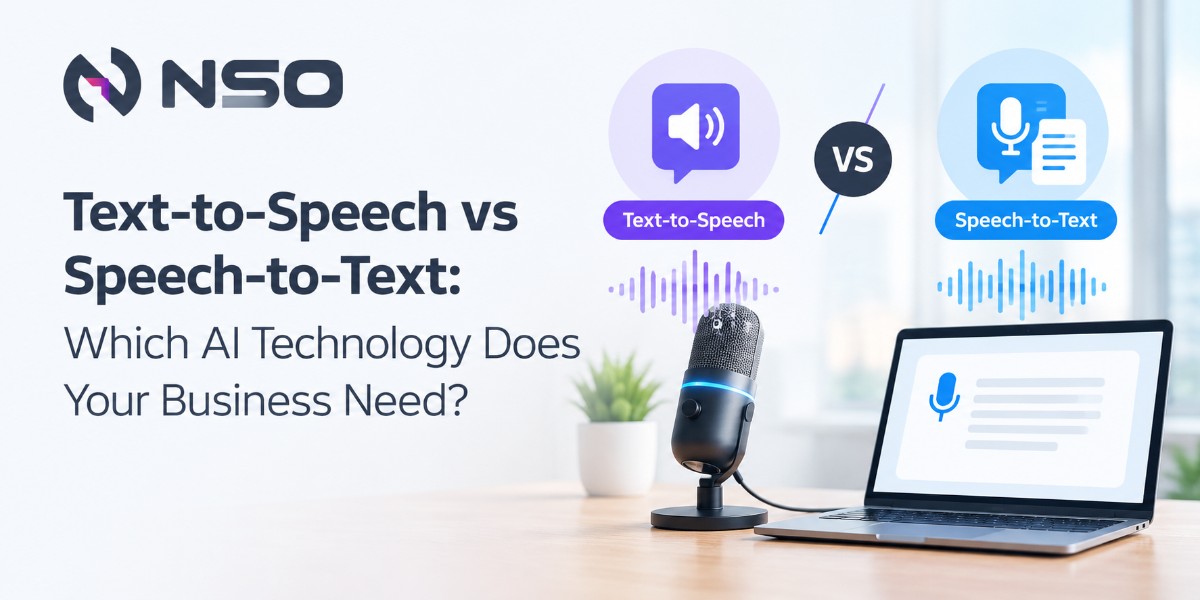
Voice chatbots use speech recognition, natural language processing, and text-to-speech technology to communicate with users through voice calls or voice-enabled applications. They can automate routine conversations, answer common questions, qualify leads, and direct callers to the appropriate department.
5. Hybrid Chatbots
Hybrid chatbots combine rule-based workflows with AI capabilities. They use predefined rules for structured tasks and AI to understand flexible queries, making them suitable for businesses that need both predictable processes and personalized interactions.
For example, a real estate company could use a hybrid chatbot to answer property FAQs, qualify prospective buyers, recommend suitable properties, and schedule site visits.
How Do Chatbots Work?
An AI chatbot follows a sequence of processing steps to understand a message and deliver a useful response.
1. User Input Processing
The process begins when a user submits a message through a website, mobile application, or messaging platform. For voice interactions, speech recognition converts spoken words into text.
2. Natural Language Understanding
Natural language processing helps the chatbot interpret the message, identify the user's intent, and extract relevant details.
For instance, "Book a meeting with your sales team tomorrow" indicates a scheduling request and includes a preferred date.
3. Context and Intent Analysis
The chatbot examines the conversation history and available context to understand follow-up questions and determine the next appropriate action. Advanced systems can maintain conversational context across multiple exchanges.
4. Information Retrieval or Action Execution
Depending on the request, the chatbot retrieves information from a knowledge base, database, CRM, ERP, or another connected application. It may also trigger an approved workflow, such as creating a support ticket or booking an appointment.
5. Response Generation
The chatbot generates or selects an appropriate response using its configured logic, retrieved information, or AI model.
6. Response Delivery and Improvement
The response is delivered through the original communication channel. Businesses can monitor conversation outcomes, review failed queries, and use feedback to improve chatbot performance.
Technologies Behind AI Chatbots
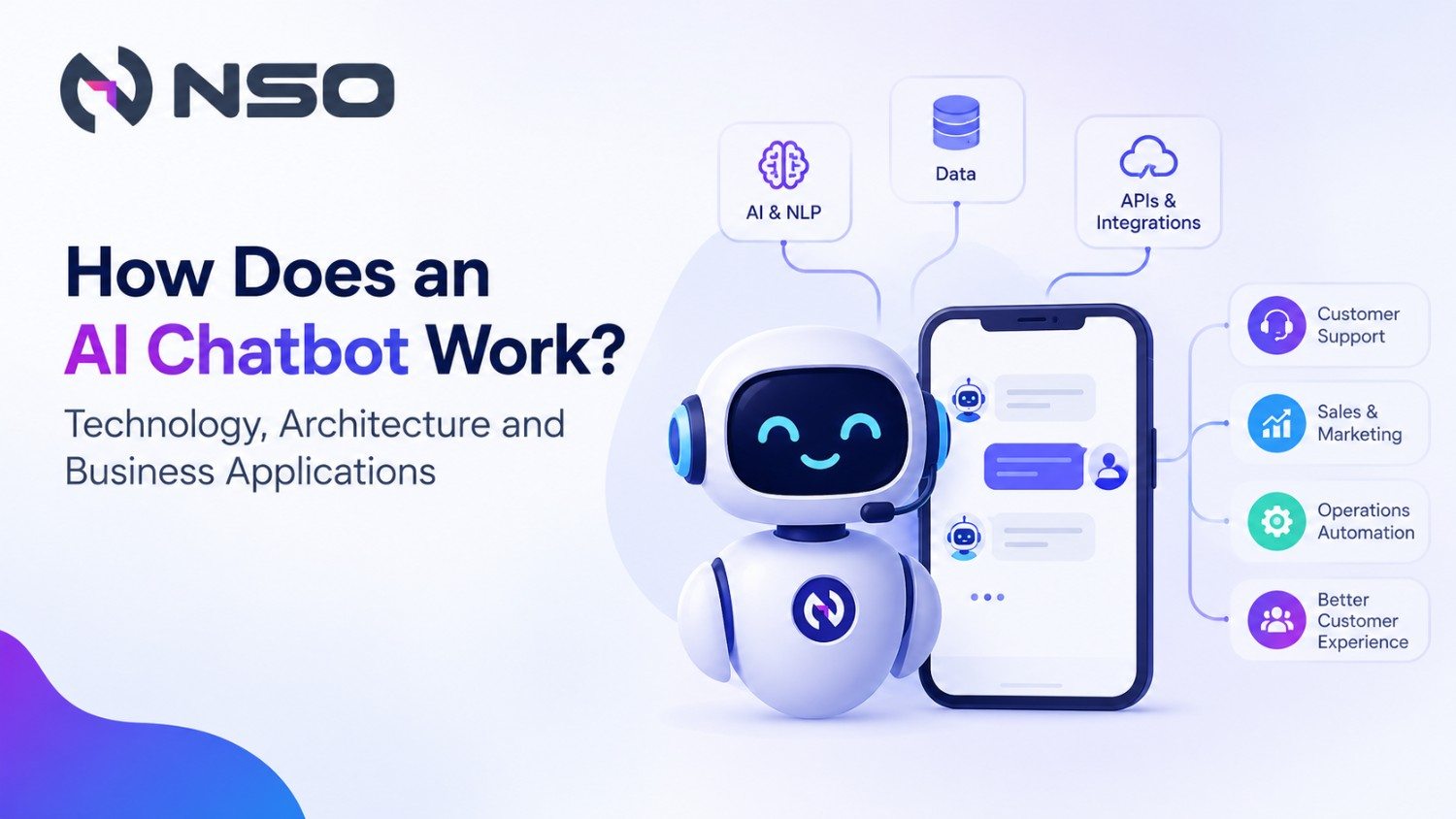
Several technologies work together to enable intelligent chatbot interactions.
- Natural Language Processing (NLP): Helps chatbots interpret human language, including different expressions and sentence structures.
- Machine Learning (ML): Supports pattern recognition, intent classification, and improvements based on suitable training data.
- Large Language Models (LLMs): Generate conversational responses and help interpret complex instructions.
- APIs and System Integrations: Connect chatbots with CRMs, payment systems, booking platforms, and enterprise databases.
- Knowledge Bases and Retrieval-Augmented Generation (RAG): Allow chatbots to retrieve relevant information from approved documents and business content before generating answers.
- Cloud Infrastructure: Supports deployment, scaling, monitoring, and integration with business applications.
The right technology stack depends on the chatbot's purpose, data sensitivity, expected traffic, and integration requirements.
Why Do AI Chatbots Work So Fast?
AI chatbots can respond within seconds because they automate several steps that would otherwise require manual effort.
Key reasons include:
- Automated processing: They analyze incoming messages without waiting for an employee to become available.
- Instant information retrieval: Connected systems can provide relevant records without manual searches.
- Parallel conversations: Chatbots can handle multiple users simultaneously, subject to system capacity.
- Preconfigured workflows: Common requests can be resolved using established responses and automated actions.
- Continuous availability: They can support customers outside regular business hours.
However, response speed depends on network conditions, model complexity, integration performance, and the quality of the available information.
Integrating Chatbots with Digital Messaging Channels
To reach customers where they already communicate, businesses can integrate AI chatbots across multiple digital channels.
Common integration options include:
- Business websites: Answer service questions, capture leads, and guide visitors towards conversions.
- WhatsApp Business: Support order updates, appointment reminders, and customer enquiries.
- Facebook Messenger and Instagram: Respond to product questions and help manage customer conversations.
- Mobile applications: Provide in-app assistance, recommendations, and account-related support.
- Voice and contact centre systems: Automate routine enquiries and route complex calls to human agents.
For successful integration, businesses should consider API compatibility, data privacy, authentication, conversation continuity, and human handover options.
Conclusion
AI chatbots are becoming an important part of modern digital transformation, helping businesses automate conversations, improve customer support, and streamline repetitive workflows. By combining NLP, machine learning, generative AI, and business system integrations, companies can build chatbot solutions aligned with their operational goals.
Nova Strategic Operations, a Mumbai-based software development company, helps businesses explore customized AI chatbot solutions, intelligent automation, and software integrations tailored to their needs. Whether you want to improve lead generation, automate customer enquiries, or connect AI with existing business applications, the right implementation can create measurable value.
Ready to make your customer communication faster and smarter? Contact our team to discuss your AI chatbot requirements and explore a solution built around your business goals.
Frequently Asked Questions
1. How does an AI chatbot understand human language?
An AI chatbot uses natural language processing to analyze a message, identify intent, and extract important details. Advanced chatbots also use machine learning and language models to interpret context and generate relevant responses.
2. What is the difference between a rule-based chatbot and an AI chatbot?
A rule-based chatbot follows predefined instructions and decision trees. An AI chatbot can interpret different ways of expressing the same request and respond more flexibly, depending on its capabilities and configuration.
3. Can an AI chatbot integrate with CRM and ERP systems?
Yes. Using APIs and suitable authentication, an AI chatbot can connect with CRM and ERP platforms to retrieve customer information, update records, qualify leads, and initiate approved business workflows.
4. How long does it take to develop an AI chatbot?
The development timeline depends on the chatbot's complexity, required integrations, security requirements, data readiness, and testing needs. A basic FAQ chatbot may be quicker to implement than an enterprise chatbot connected to multiple business systems.
5. Are AI chatbots suitable for small and medium-sized businesses?
Yes. Small and medium-sized businesses can use AI chatbots to answer common questions, capture leads, schedule appointments, and provide after-hours support. Starting with a clearly defined use case helps control costs and measure results before expanding functionality.